Students planning several lunches
If you cook for one or prepare meals across the week, a pack’s serving guide can help you decide how much dry pasta to cook and how much to leave for another day.


A 500g pack can work for several lecture-day lunches, but the useful choice depends on how you will serve and carry the pasta: consider spaghetti for a hot meal, a short shape for a packed meal with sauce, or wholewheat when its labelled fibre content matters to you. Check the exact pack’s portion guide and ingredients. If you cook ahead, plan how to cool and refrigerate the finished meal before taking it to campus.
If you cook for one or prepare meals across the week, a pack’s serving guide can help you decide how much dry pasta to cook and how much to leave for another day.
A short shape may be easier to fit into a lunch container. The more important preparation question is whether you can cool the cooked meal and keep it refrigerated until it is time to carry it.
Compare the nutrition panels if labelled fibre matters to you, and read the ingredients of both pasta and sauce if you need to avoid wheat, milk or another ingredient.
Start with your main lunch need, then check the exact pack and any sauce you plan to use.
| Concern | What to check | Who this matters to |
|---|---|---|
| Portions and unused pasta | Read the pack’s serving guide and plan how much dry pasta to cook for each lunch. | If I want one pack to cover several lunches, I need portions I can plan without leaving pasta unused; about 33% of consumers put portion planning first. |
| Make-ahead practicality | Match the shape to your sauce and container, then confirm that you can refrigerate the cooked meal. | When I prepare lunch before a lecture, I want it to fit my container and stay chilled until I take it with me; roughly 27% of consumers prioritise make-ahead practicality. |
| Wholewheat and labelled fibre | Compare the grain ingredients and fibre values on the exact products’ nutrition panels. | I prefer wholewheat and want to know what the pack actually says about fibre; around 20% of consumers put grain type and labelled fibre first. |
| Ingredient suitability | Read the pasta and sauce ingredients and allergen statements, especially for wheat or milk. | If I need to avoid an ingredient, the whole lunch matters, not just the dry pasta; about 20% of consumers prioritise ingredient suitability. |
Portion guidance varies by product and meal. Sainsbury's lists approximately five servings for its 500g macaroni and wholewheat spaghetti packs, but your lunch portions may differ.
Use the guide on the pack you buy and decide how much to cook before opening it.
Wholewheat describes the grain, not the absence of wheat. Sainsbury's wholewheat spaghetti lists wheat in its ingredients.
If you need to avoid wheat or gluten, choose a product suitable for that requirement and check its exact label.
Dry-pasta storage instructions do not apply to a prepared lunch. GOV.UK guidance for England, Northern Ireland and Wales advises putting cooked food in the fridge within one to two hours of cooling it.
Cook ahead only if you can cool and refrigerate the meal, then arrange to keep it chilled when carrying it. Check local guidance if you are in Scotland.
Barilla’s UK Spaghetti N°5 page describes a 500g durum-wheat pasta with a 10-minute cooking guide.
Tesco’s pasta listing includes 500g standard, quick-cook and wholewheat spaghetti options.
The cited 500g range includes macaroni for sauce-led meals and wholewheat spaghetti for shoppers comparing grain types.
Dolmio is relevant here as a sauce choice to consider alongside a 500g dry-pasta pack.
These 500g pasta packs include short shapes for packed, sauce-led lunches and spaghetti for hot meals, with both standard and wholewheat choices. Check each pack’s instructions and ingredients before deciding how to prepare it.
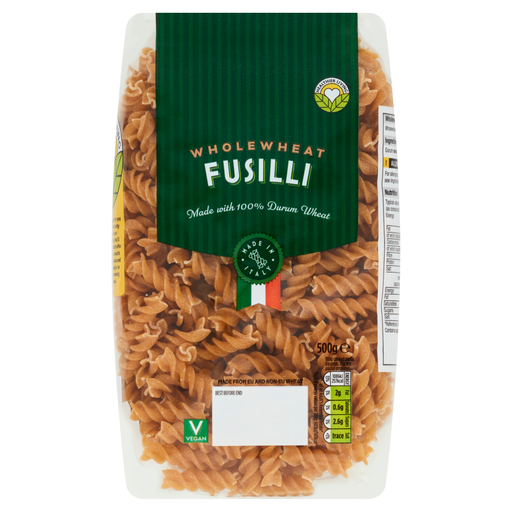 No image available
Consider this short wholewheat shape if grain type and a pasta lunch with sauce are your priorities. Check the pack’s portion and cooking guides; wholewheat is not a wheat-free choice.
 No image available
This short spiral shape is an option when planning a pasta lunch with sauce. Use the pack’s portion and cooking instructions, and check its ingredients if wheat suitability matters.
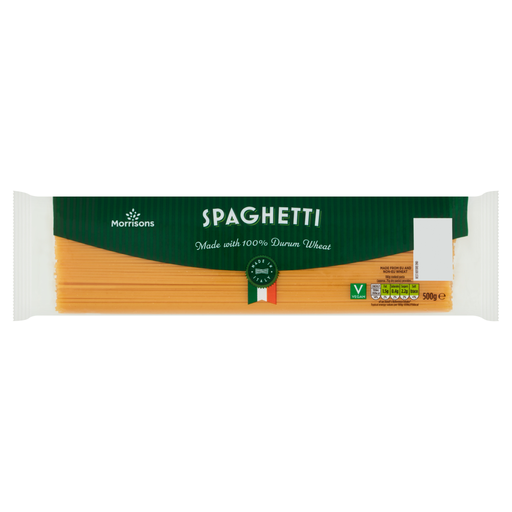 No image available
Choose the long spaghetti format if you plan to prepare a hot pasta lunch. Consider whether it fits your lunch container, and follow the pack’s cooking and ingredient information.
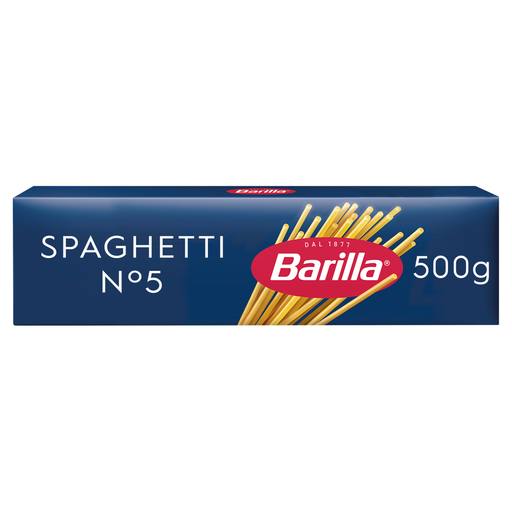 No image available
This 500g spaghetti pack suits a plan for hot pasta lunches. Check the instructions and allergen statement on the exact pack, and decide your dry portion before cooking.
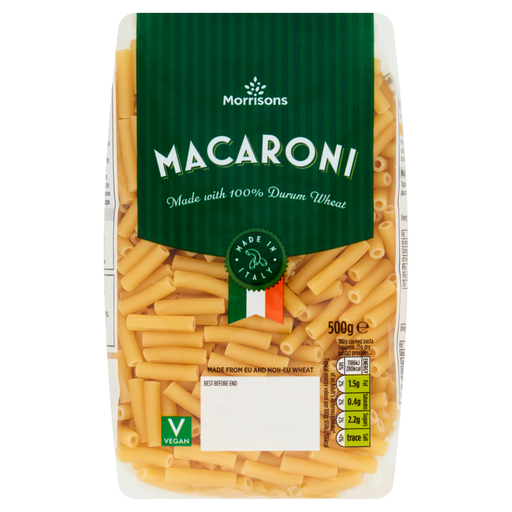 No image available
The short macaroni shape is an option for a sauce-led packed lunch or pasta bake. Read the exact pack for cooking and portion guidance, and check ingredients before adding sauce.
Use the serving guide on the exact pack and the amount you want in each meal. Sainsbury's describes its cited 500g macaroni and wholewheat spaghetti packs as approximately five servings; that is a guide for those products, not a fixed number of lunches for every pack.
Yes, if you can cool and refrigerate the prepared meal and keep it appropriately chilled when taking it out. GOV.UK guidance for England, Northern Ireland and Wales advises refrigerating cooked food within one to two hours of cooling it and eating leftovers within 48 hours or freezing them. If you are in Scotland, check local guidance.
No: the cited Sainsbury's standard macaroni and wholewheat spaghetti both contain wheat. Choose pasta specifically suitable for your requirements and check the exact pasta, sauce and topping labels.