Multi-portion sauce planners
If you are cooking several pasta portions together, the useful comparison is between your planned batch and the sauce’s stated servings or recipe. A container’s weight does not establish the number of finished meals.


For a batch cooked with your own pasta, choose a sauce jar or tomato base whose serving guidance and recipe fit the portions you plan to make. A tin of prepared pasta is a different choice: it suits a quick meal, but its pack weight alone does not tell you whether it will make several meal-prep portions. Check the exact product’s ingredients, allergens and instructions for storage after opening before relying on one container for the batch.
If you are cooking several pasta portions together, the useful comparison is between your planned batch and the sauce’s stated servings or recipe. A container’s weight does not establish the number of finished meals.
A tomato base leaves you to choose the pasta and other ingredients for each recipe. Barilla’s Bolognese Base instructions call for browned meat, while Marks & Spencer describes its Classic Tomato Everything Sauce for uses including bolognese, pizza and soup.
If you want pasta already prepared in the container, look in the tinned-pasta category rather than among cooking sauces. Tesco Groceries lists prepared spaghetti, hoops and bolognese products in different pack sizes.
Decide whether the container should provide a prepared pasta meal, a sauce to combine with pasta, or a tomato base for a recipe. Then compare the exact pack with the batch you intend to cook.
| Concern | What to check | Who this matters to |
|---|---|---|
| Portion fit | Compare the labelled servings and recipe ingredients with the number of finished portions you need. | If I am cooking several lunches at once, I need enough sauce for the pasta and other ingredients I plan to add. About 40% of consumers put portion fit first. |
| Recipe flexibility | Identify whether the pack contains prepared pasta, a ready-to-use sauce or a tomato base that needs further cooking. | I may want to choose my own pasta and adapt the other ingredients, rather than start with a complete prepared meal; about 30% of consumers make recipe flexibility their primary concern. |
| Ingredients and storage | Read the exact variety’s ingredient and allergen declaration, then follow its instructions for storage after opening. | When cooking for someone with an ingredient restriction, or keeping an opened container for later, I need the current pack instructions. Ingredient and storage checks come first for about 30% of consumers. |
A tin of ready-to-eat spaghetti or ravioli is not the same product as a sauce jar or tomato base. Tesco Groceries lists prepared pasta separately from pasta sauces.
Check what is inside the container before comparing pack sizes: is it a meal, a sauce for pasta, or a base for further cooking?
A sauce’s serving statement can depend on a recipe that also calls for pasta and other ingredients. The weight of another sauce pack does not give it the same yield.
Use the exact product’s serving guidance and recipe to work out whether one container fits your planned portions.
A mismatch can leave too little sauce for the batch or an opened remainder to use later.
Instructions for storage after opening are product-specific. GOV.UK advises following the manufacturer’s instructions for how long an opened product can be kept.
Read the storage directions on the pack you actually buy, and plan how you will use any remainder.
Barilla’s Ricotta Sauce contains cheese, while Marks & Spencer lists celery in its Classic Tomato Everything Sauce. A general description such as tomato sauce cannot settle an allergen check.
Read the current ingredient and allergen declaration for the exact variety, particularly when preparing portions for someone with an allergy.
These examples illustrate different pasta and sauce formats; a brand name alone does not establish the servings or ingredients of a particular pack.
Dolmio offers bolognese-style sauce jars as well as smaller stir-in sauces.
Barilla lists 400 g pasta sauces, including ricotta and olive varieties, alongside a Bolognese Base.
Tesco Groceries separates prepared tinned pasta from pasta and cooking sauces.
Sainsbury's lists a 500 g No Added Sugar Tomato & Hidden Veg Pasta Sauce.
Marks & Spencer lists tomato sauces in different formats, including a 340 g tomato and basil sauce and a Classic Tomato Everything Sauce.
These products are sauce and passata options for cooking with your own pasta and, where the recipe calls for them, other ingredients. Choose between them by recipe type, stated servings where available, and the ingredients you need to check.
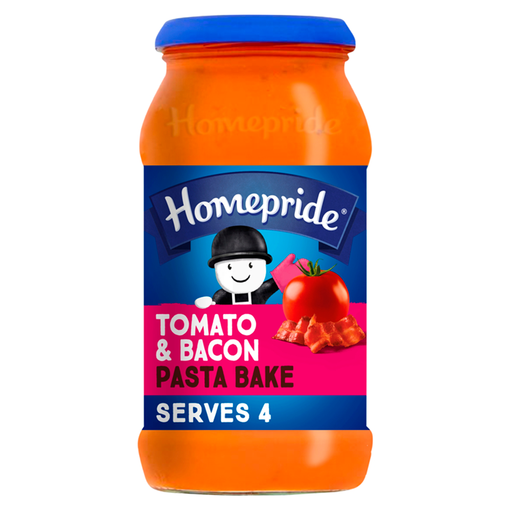 No image available
Consider this for a cooked pasta bake rather than a prepared pasta meal. Its four-portion recipe uses the whole 485 g jar with 300 g dry pasta and 100 g grated cheese; the sauce contains bacon pieces. It also contains milk, so check the current pack if allergens affect your batch.
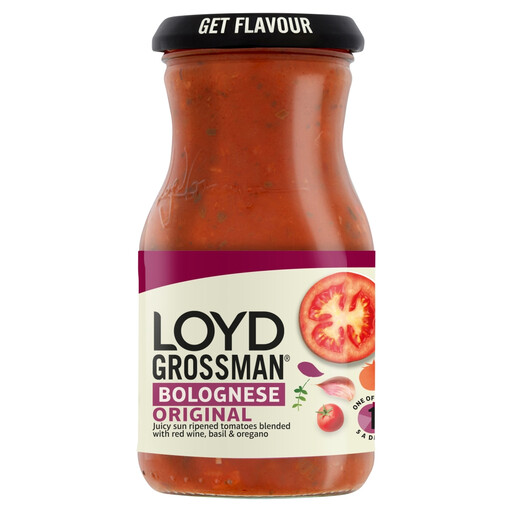 No image available
For a bolognese cooked with mince and served with pasta, this jar’s guidance states two to three servings. Check the recipe against your planned batch if you need more portions. It contains celery; read the current allergen and opened-storage instructions on the pack.
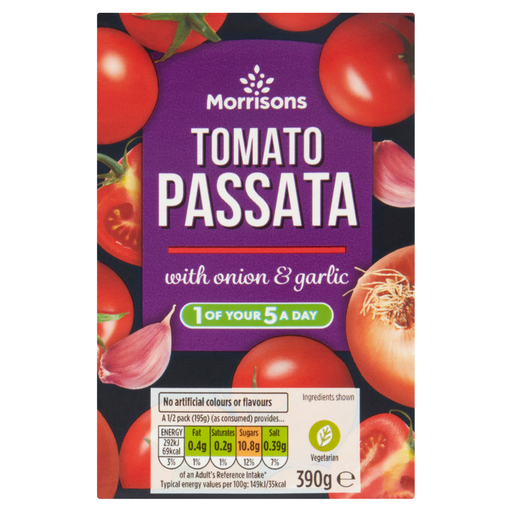 No image available
Use this as a tomato base when you want to choose the other ingredients in a pasta dish; the product description also identifies pizza and soup uses. Its 390 g pack size is not a stated yield of finished meal-prep portions, so compare your recipe with the amount needed. Check the pack’s allergen and opened-storage directions.
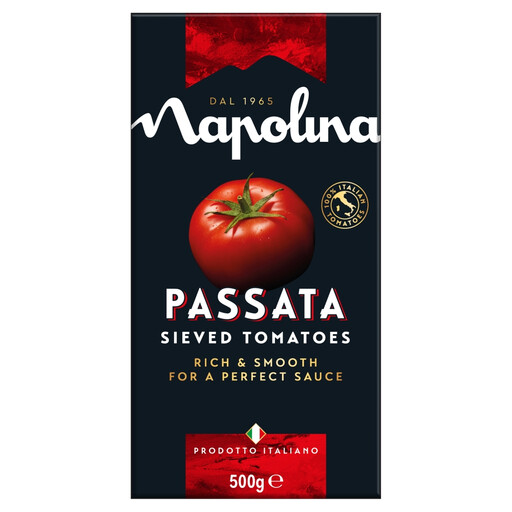 No image available
Choose this tomato base if you intend to cook a pasta sauce with additional ingredients. Its described bolognese recipe uses the 500 g pack, but you still need to compare the recipe with your intended number of portions. Read the current pack for ingredient, allergen and storage information.
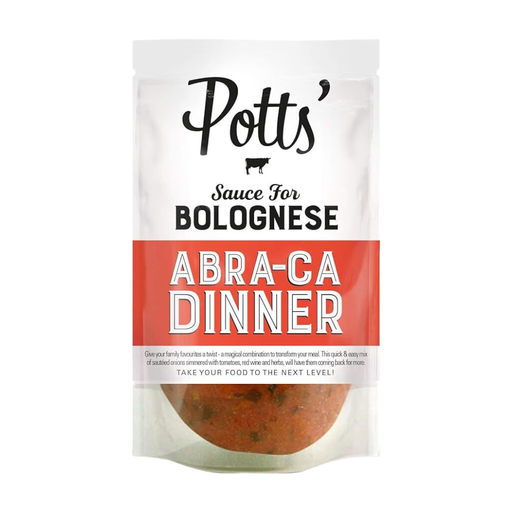 No image available
This bolognese-style sauce can be served with pasta or used with added meat. Check whether the 400 g jar covers your planned portions rather than treating its weight as a finished-meal yield. It contains celery and sulphites; consult the current pack for allergen and storage directions.
No. Tesco Groceries lists prepared tinned pasta in both 200 g and 400 g packs, but those products are different from a sauce or tomato base combined with your own pasta. Check the product description and serving guidance before deciding what one container will contribute to your batch.
Compare the exact jar’s stated servings and recipe with the portions you plan to make. A serving statement may rely on added pasta, meat or vegetables, so do not apply it to another sauce simply because the packs have similar weights.
Follow the storage and open-life instructions on that product’s pack. GOV.UK advises using the manufacturer’s open-life instructions; a date marking does not replace directions for an opened container.
No. Barilla’s Ricotta Sauce contains cheese, and Marks & Spencer lists celery in its Classic Tomato Everything Sauce. Read the current ingredient and allergen declaration for the exact variety you will use.