
24/7 Customer Support

Free returns

Same-day & Next-day Delivery

Quality Guaranteed

Unlock Your Welcome Offers: FREE Delivery | Up to 80% OFF | Free 30-day JoyPlus trial
Download the APP
Finding suitable pasta and noodles should be straightforward, but crowded shelves and bold packaging can make a simple shop surprisingly difficult. A low price may hide a small serving, while “protein” or “vegan” wording may not tell you enough about allergens, salt or preparation.
Whether you need instant pasta for a work lunch, lasagne sheets for a family dinner, udon noodles for a stir-fry or ready meals for busy evenings, compare the practical details before buying.
A 100g instant pasta pot and a 500g dry pasta bag serve very different purposes. Check the net weight and the stated serving information rather than comparing pack prices alone. A larger bag may offer a lower cost per meal, while a pot may include preparation convenience that justifies a different price.
Protein pasta can contain pea, soy or chickpea ingredients, but the amount varies significantly. For example, the Samyang Tangle Chunky Tomato Protein Pasta Big Bowl lists 15g protein per 100g, while other instant pasta products list around 8–13g per 100g. Always check the nutrition panel for the actual serving size.
“Vegan” also does not automatically mean allergen-free or low in salt. Wheat and soy are common ingredients in plant-based pasta and noodles, and some products are made in facilities handling milk, eggs, sesame or nuts.
Instant noodles, pasta pots and microwave bowls still require preparation. Some need boiling water and standing time; others require a microwave or hob. Products such as instant pasta should not be eaten raw, and damaged or leaking packaging should be discarded. Follow the instructions on the pack, especially where cooking times and water levels affect texture and food safety.
Choose based on how much time and equipment you have:
UK food labels must identify regulated allergens using clear emphasis in the ingredients list. Still, shoppers should check every product label because recipes and manufacturing arrangements can change.
Common allergens in this category include wheat, gluten, milk, eggs, soy, mustard and sesame. Napolina Plain Lasagne contains 100% durum wheat semolina, while J-BASKET Japanese Style Udon contains wheat and may contain traces of soy. Several vegan instant pasta products contain wheat and soy despite having no animal-derived ingredients.
Compare like with like. Some labels show values per 100g as prepared, while others show values per 100g uncooked or per pot. Salt is particularly important when comparing instant noodles and ready meals: Samyang Tangle Garlic Oil Pasta lists 3.0g salt per 100g, whereas plain lasagne sheets contain less than 0.01g salt per 100g uncooked.
This does not make one format suitable for every meal. Plain pasta can be combined with vegetables, beans or a home-made sauce, while a pot provides a pre-seasoned option for speed. Use the nutrition panel to match the product to your own eating preferences.
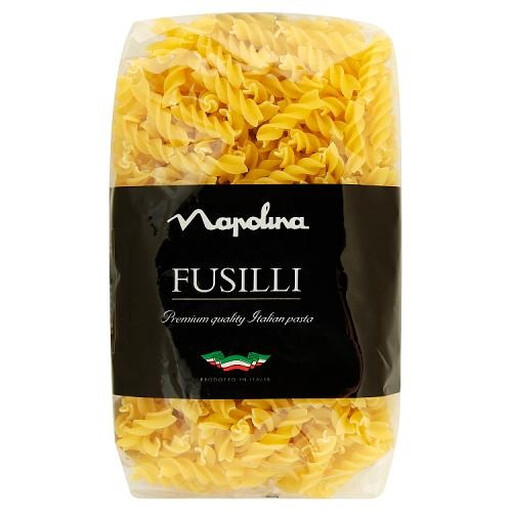
Why This Fits Their Persona: A practical cupboard staple for students, couples and families who want flexible quick pasta meals without buying individual portions.
The 500g dry format makes the net quantity clear and avoids paying repeatedly for single-use pots.
Made with 100% durum wheat semolina; the spiral shape is suitable for sauces and salads.
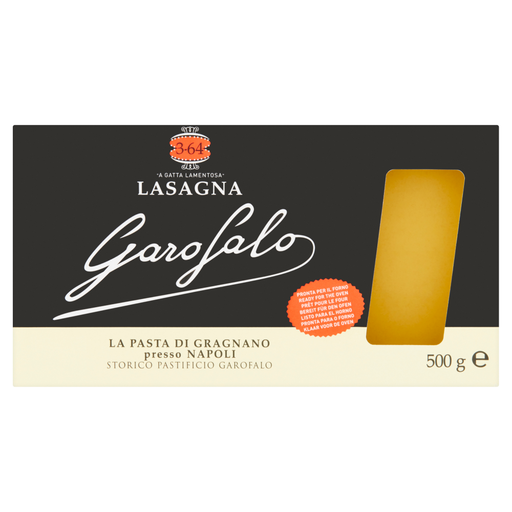
Why This Fits Their Persona: Suits home cooks planning a traditional lasagne and looking for sheets designed to hold sauce during baking.
The product description states that the sheets are ready to bake, helping reduce uncertainty about preparation.
500g pack; bronze-die production is described as creating a rougher surface for sauce adhesion.
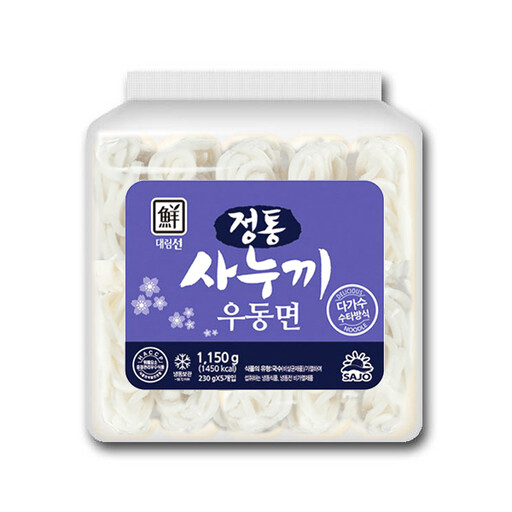
Why This Fits Their Persona: A large pantry pack for families, batch cooks and regular fans of Japanese noodles who use udon in soups and stir-fries.
The 1,150g net quantity is clearly stated, making it easier to assess value for frequent use rather than relying on front-of-pack imagery.
Sanuki-style thick noodles; suitable for hot broth, cold noodle salads or stir-fried dishes.
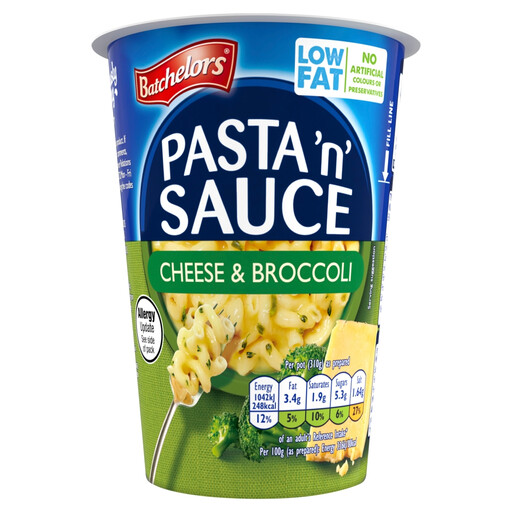
Why This Fits Their Persona: Designed for a fast vegetarian lunch at work, in student accommodation or at home with minimal washing up.
The 65g pot gives a defined single-serving quantity and preparation involves adding hot water rather than cooking a full pan.
Suitable for vegetarians; contains cheese and broccoli sauce and is prepared with hot water.
We have compiled a complete, real-time list of products that fully satisfy these strict selection criteria and UK safety regulations.
Pasta pots, instant noodles and microwave-ready bowls usually require less preparation than dry pasta. Check whether the product needs boiling water, a microwave or a hob, and confirm the stated standing time. Pot Noodle King Pot Pasta Creamy Carbonara, for example, is prepared with boiling water and left for five minutes.
No. Many vegan pasta products use wheat flour and soy sauce or soy protein. Always read the full ingredients and allergen information. Products made in facilities handling milk, eggs, fish, peanuts or sesame may also carry relevant precautionary statements.
Keep unopened ambient products in a cool, dry place away from direct sunlight. After opening, follow the pack instructions: some fresh or prepared noodles require refrigeration and prompt use. Tinned pasta should be transferred to a suitable covered container, refrigerated and consumed within the stated period.