
24/7 Customer Support

Free returns

Same-day & Next-day Delivery

Quality Guaranteed

Unlock Your Welcome Offers: FREE Delivery | Up to 80% OFF | Free 30-day JoyPlus trial
Download the APP
Choosing pasta and noodles online is not simply a matter of picking an appealing flavour. Pack size, preparation method, allergens, protein content and storage requirements can all affect whether a product suits your household. A convenient meal that does not match your diet, equipment or portion needs can quickly become an expensive cupboard mistake.
This guide explains the main buying pitfalls, the specifications worth checking and a selection of products for different UK shopping needs.
Some vegan protein pasta and instant noodles contain more protein than standard dried pasta, but the total amount still depends on the serving size. For example, the Samyang Tangle range lists 12–13g of protein per 100g, while the individual pack is approximately 100–105g. Check the nutrition panel rather than relying on front-of-pack wording.
A ready meal can provide more protein per serving because it includes additional ingredients. Myprotein Hot Honey Chicken Mac & Cheese, for instance, lists 14.5g of protein per 100g and includes chicken, cheese and pasta. However, it contains milk, wheat and mustard, so it will not suit every shopper.
Instant pasta and instant noodles vary considerably. Pot products may require only boiling water and a short standing time, while dried noodles need cooking in a saucepan. Some products also need draining and rinsing before sauce or broth is added.
Read the preparation instructions before ordering. A product that requires six to eight minutes of boiling may be suitable for a family kitchen but less convenient for an office without cooking facilities.
Flavour sachets and sauces can contribute a substantial amount of salt. Samyang Tangle Creamy Mushroom Protein Pasta lists 3.2g of salt per 100g, while Pot Noodle King Pot Pasta Creamy Carbonara lists a prepared serving value of 0.64g salt per 100g. These figures are not directly interchangeable because the products are prepared differently, so compare the serving information carefully.
UK shoppers should also check bold allergen declarations. Wheat, gluten, soya, milk, egg, sesame, mustard and celery may appear in the ingredients or cross-contamination advice. Frozen meals require reliable freezer storage at -18°C or colder, whereas dried pasta and noodles generally need a cool, dry cupboard.
Per-100g information makes products easier to compare, but serving sizes matter. A high-protein product may still need vegetables, tofu, eggs, meat or another topping to create a more substantial meal. For vegan shoppers, check whether the full product is labelled vegan and whether the seasoning contains milk-derived ingredients.
A 69g snack pot is convenient for one light meal or snack, while a 453g or 650g noodle pack is more suitable for several meals. Consider cupboard space, freezer capacity and how quickly an opened pack must be used. Follow the packaging instructions, cook thoroughly and do not consume products intended for cooking while dry or raw.

Why This Fits Their Persona: A compact single-serving option for students, smaller households or busy weekday lunches, prepared with boiling water in five minutes.
The preparation method and one-pot serving size are clearly specified, reducing the risk of buying a product that needs additional cooking equipment.
69g single portion; no artificial colours listed; designed for boiling-water preparation.
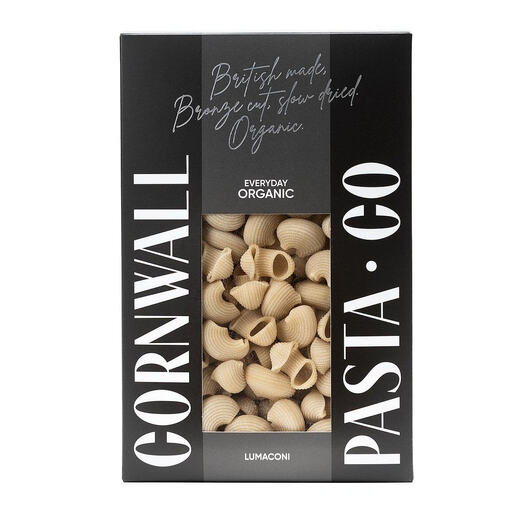
Why This Fits Their Persona: Suitable for home cooks who want artisan British pasta for slower weekend recipes, baked dishes or rich tomato and creamy mushroom pasta sauces.
The ingredient list contains organic wheat and water, while the 500g format makes the quantity clear for meal planning.
Made in Cornwall; organic wheat; bronze-die-cut lumaconi shape; 14.3g protein per 100g.
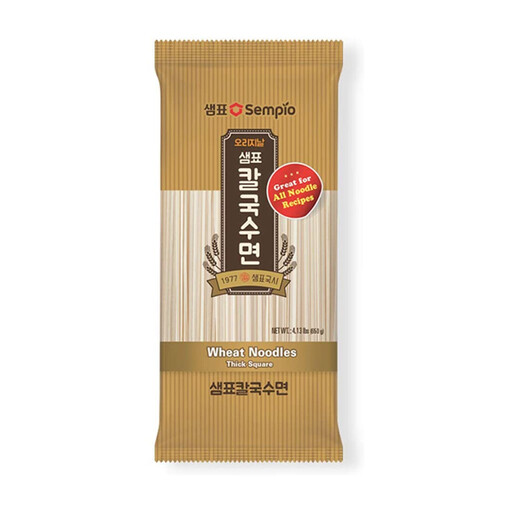
Why This Fits Their Persona: A larger pack for families, meal prep and frequent Asian cooking, including stir-fries, noodle soups and hot pot dishes.
The pack gives a clear 650g net quantity and provides a four-to-six-minute cooking range, making it easier to plan portions and preparation time.
Thick square cut; suitable for broth or stir-fry; contains wheat and soya, which are clearly declared.
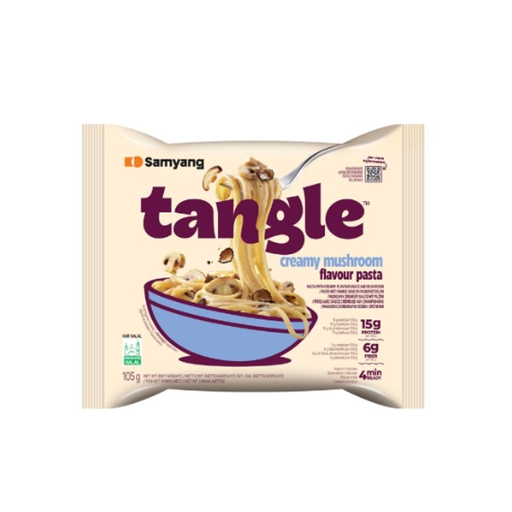
Why This Fits Their Persona: A shelf-stable, plant-based option for quick pasta meals when cupboard convenience and a creamy mushroom flavour are priorities.
The product description identifies it as vegan and lists pea protein isolate in the pasta; wheat remains an allergen, so the label should still be checked before purchase.
Vegan format; 12g protein per 100g; shelf-stable storage; supplied as a 105g instant pasta portion.
We have compiled a complete, real-time list of products that fully satisfy these strict selection criteria and UK safety regulations.
They can be convenient options, but check the salt, saturated fat, portion size and ingredient list. For more frequent meals, adding vegetables and a suitable protein source can increase variety and make the dish more substantial.
Keep unopened packs in a cool, dry cupboard away from direct sunlight and moisture. After opening, reseal the packaging or transfer the contents to an airtight container. Always follow the specific storage guidance printed on the pack.
Not necessarily. Many soba and buckwheat noodles contain a mixture of buckwheat and wheat flour. Check the ingredients and allergen information carefully rather than relying on the word “buckwheat” alone.