Regular second-home hosts
Repeated stays or meals for several people make a larger pack worth considering, provided the household will use that shape. Sainsbury's and M&S list 1 kg conventional pasta packs.


For regular stays and shared meals, a 1 kg pack of a shape you use often can mean fewer restocking trips; for occasional weekends, 500 g packs give you more flexibility without committing cupboard space to one shape. Choose a separately labelled free-from product when guests need one, and check the current ingredients, best-before date and storage instructions before leaving any pasta at the property.
Repeated stays or meals for several people make a larger pack worth considering, provided the household will use that shape. Sainsbury's and M&S list 1 kg conventional pasta packs.
A 500 g pack lets you keep a smaller quantity or more than one shape. Sainsbury's lists a 500 g fusilli intended for use with sauces.
Guests who need to avoid particular ingredients require a pasta chosen by its current label, not by its shape. M&S lists a separate penne labelled Made Without Gluten, Wheat and Egg alongside conventional wheat pasta.
Start with how often the second home is used and the meals likely to be made there; then check the pack and label against everyone who will eat it.
| Concern | What to check | Who this matters to |
|---|---|---|
| Quantity for repeat stays | Pack weight, likely meals and whether the cupboard can hold the pack as directed. | If I cook for several people on regular visits, I want enough of a familiar shape without restocking each time. About 36% of consumers would put usable quantity first. |
| Versatility across meals | The exact pack's stated suitability for sauces or bakes, and its cooking instructions. | When meals are not planned in advance, I need one shape that works with the sauces or bakes we usually make. Versatility would be the primary concern for about 29% of consumers. |
| Storage and avoiding waste | Best-before date, storage directions and whether the quantity suits visit frequency. | On occasional weekends, I would rather keep a smaller pack than leave an opened quantity in a cupboard I rarely visit. Around 21% of consumers would prioritise storage and avoiding waste. |
| Dietary suitability | Current ingredients, allergen statement and any free-from wording needed by the household. | If a guest must avoid gluten, wheat or egg, I need a specifically suitable pack before considering its shape. Dietary fit would come first for about 14% of consumers. |
A 1 kg pack can reduce restocking for frequent stays, while 500 g may be easier to use during occasional visits.
Match the quantity to likely meals, the best-before date and available cool, dry storage.
The conventional Sainsbury's and M&S examples use durum-wheat semolina. M&S also states that its conventional fusilli is unsuitable for people with an egg allergy.
Check the current ingredients and allergen statement for every pack; choose a separately labelled product where a restriction applies.
Dolmio describes the relevant UK range as pasta sauce, which serves a different role from dried pasta.
Choose the pasta quantity and dietary fit first, then check any sauce's ingredients and storage directions separately.
M&S notes that product information can change. An earlier description is not a substitute for the pack being supplied.
Check the current label and best-before date when stocking the cupboard.
An own-label route for conventional dried pasta; Tesco lists a 1 kg spaghetti made from durum-wheat semolina.
Its own-label examples include 1 kg penne and 500 g fusilli, both made from durum-wheat semolina.
M&S lists conventional 1 kg fusilli and a separate 500 g penne labelled Made Without Gluten, Wheat and Egg.
Barilla presents conventional, gluten-free and wholegrain pasta lines on its UK product pages.
Dolmio's relevant UK range is pasta sauce, a possible accompaniment rather than a dried-pasta alternative.
These dried-pasta options cover smaller everyday packs, listings for multipacks and lasagne sheets for a planned meal. Check the quantity you will receive on multipack listings before deciding how much to stock.
 No image available
A 500 g fusilli pack to consider for occasional stays or smaller meals. It contains wheat, so choose another product where wheat must be avoided.
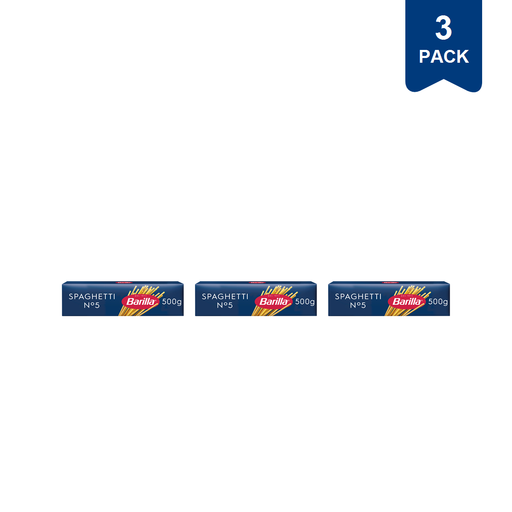 No image available
Spaghetti for meals where that shape is planned. The title says three packs, but the stated net quantity is 500 g; confirm the total bundle contents. This wheat pasta may also contain mustard or soya.
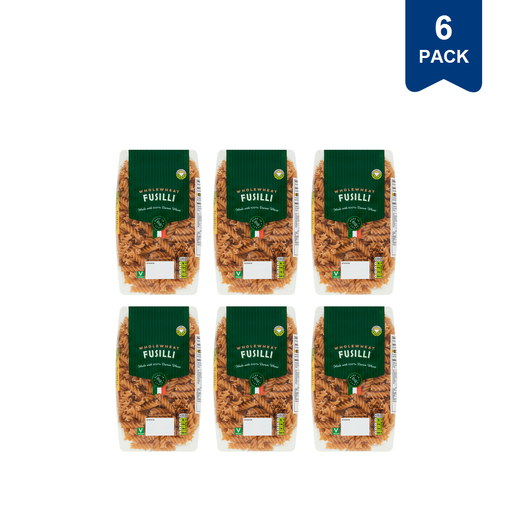 No image available
A wholewheat fusilli listing for households that plan to use this shape across several meals. Check the bundle contents and storage space before stocking it; the pasta contains wheat.
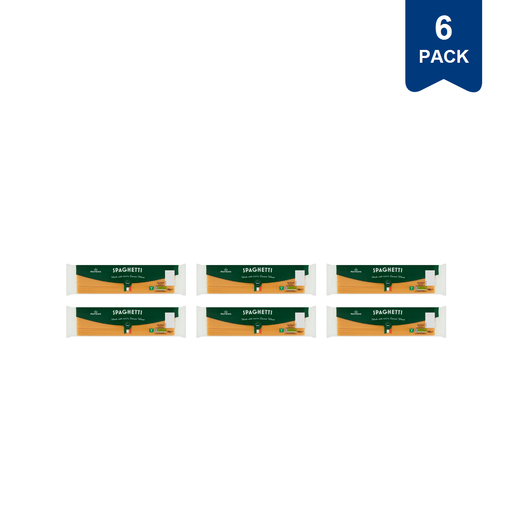 No image available
A spaghetti listing to consider for repeated visits if that is a shape you use. The title says six packs, while the stated net quantity is 500 g; confirm the total bundle contents. It contains wheat.
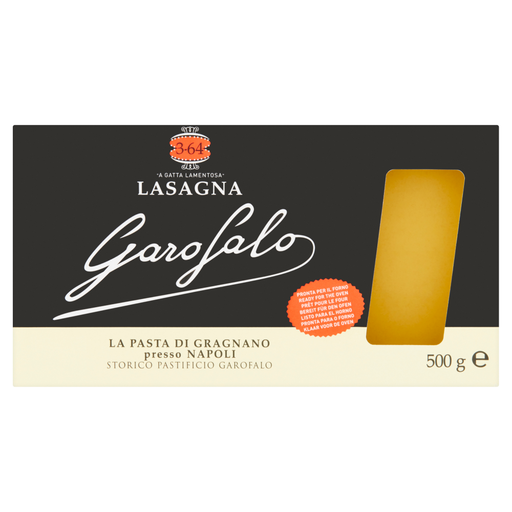 No image available
A 500 g sheet format for a planned lasagne rather than an everyday pasta shape. It contains wheat and may contain traces of soya; check the pack when cooking for someone with an allergen restriction.
No. A 1 kg pack makes sense when regular visits will use that shape and you can store it as directed; a 500 g pack gives occasional visitors less of one product to keep. Check the best-before date against your likely visits.
Choose a shape whose stated uses match the meals you tend to make. Sainsbury's describes its penne as suitable for sauces and baked dishes and its fusilli as suitable for sauces; check the instructions on the exact pack you buy.
Follow the pack's storage directions. The cited Sainsbury's and M&S dried-pasta products specify a cool, dry place, and M&S says to keep its free-from penne out of direct sunlight.
The cited conventional Sainsbury's and M&S products are made with durum-wheat semolina, so they are not substitutes for a specifically suitable free-from product. M&S lists a separate penne labelled Made Without Gluten, Wheat and Egg; recheck the current pack for the guest's requirements.
Not necessarily. The Food Standards Agency describes best before as relating to the period of expected optimal quality. Follow the product's instructions and do not rely on the date alone if packaging is damaged or there are signs of spoilage.