
24/7 全天候客户支持

免费退货

当日/次日达

品质保障

开启新人专享福利: 全场免邮 | 低至 2 折 | 免费试用 30 天 JoyPlus 会员
下载 Joybuy
A pasta pot can make quick meals easier, but the wrong one may create more work than it saves. A saucepan that is too shallow can allow boiling water to spill over, while a large pot may waste hob space and energy when cooking one or two portions. Some cookware listings also emphasise “non-stick” or “multi-purpose” without clearly explaining the capacity, hob compatibility or cleaning requirements.
For UK kitchens, the most useful choice depends on how you cook. A student preparing a quick pasta meal may need a compact saucepan, while a small family could benefit from a deeper pan with a lid. If you want to prepare pasta, soup, milk, sauces and fried ingredients in one vessel, a pasta cooking pot with basket may offer more flexibility.
A stated width, such as 20 cm, does not tell you the full usable capacity. A deep pasta pot may hold more liquid without taking up much extra worktop space, but high sides can make stirring and draining less convenient. Look for both diameter and capacity in litres before ordering.
As a practical guide:
A non-stick pasta saucepan can make food release and washing easier, but buyers should still check the care instructions. Avoid metal utensils and abrasive scouring pads unless the manufacturer specifically permits them. Scratched or deteriorated surfaces may affect cooking performance, so a lower-priced pan is not necessarily economical if it needs replacing sooner.
A stainless steel milk pan is a different proposition. It usually offers a hard, polished cooking surface and can be suitable for milk, sauces and boiling, but food may stick more readily if the pan is overheated or left unattended.
Not every pan works on every UK hob. If you use induction, check for an induction-compatible saucepan or a magnetic base. Gas and ceramic hob users should also consider whether the base sits steadily and spreads heat evenly.
Handles, lids and pouring edges matter too. A hot, full pan is difficult to control, particularly when draining pasta. A fitted saucepan with lid can help retain heat and reduce splashing, but it should be lifted carefully to release steam.
For everyday small-portion cooking, a 2–3 litre pot is a practical middle ground. The 2.8-litre PURECOOK model, for example, is designed with high walls to help reduce spills while providing room for noodles, soup and milk. Depth can also be useful when frying with a basket, although oil should never be left unattended.
304 stainless steel is a commonly used food-contact cookware material. In the supplied PURECOOK design, the pot body and fry basket use 304 stainless steel, while the three-layer composite magnetic base is specified for gas, induction and ceramic hobs. A polished interior may help reduce residue build-up, but normal washing and drying remain important.
For non-stick cookware, focus on the stated interior coating, recommended utensils and cleaning instructions rather than relying only on broad phrases such as “easy clean”. A lid can be useful for simmering sauces and conserving heat, but check whether it is included before purchase.
Dishwasher compatibility should be confirmed in the listing or manufacturer guidance. Even where dishwasher use is stated, hand washing with warm soapy water and a soft sponge may help preserve the surface. Stainless steel cookware should be dried after washing to reduce watermarks.
When using a pasta cooking pot with basket:
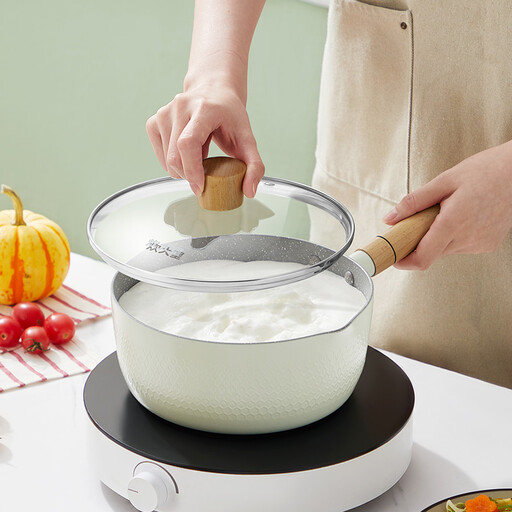
Why This Fits Their Persona: The 20 cm format is suited to students, individuals, couples and small families preparing porridge, milk, sauces, eggs or modest pasta portions without occupying excessive hob space.
The listing states the pan size and includes a lid, helping shoppers avoid buying a saucepan without knowing its basic dimensions or cover.
Non-stick interior; supplied lid; suitable for small to medium portions and several everyday tasks.
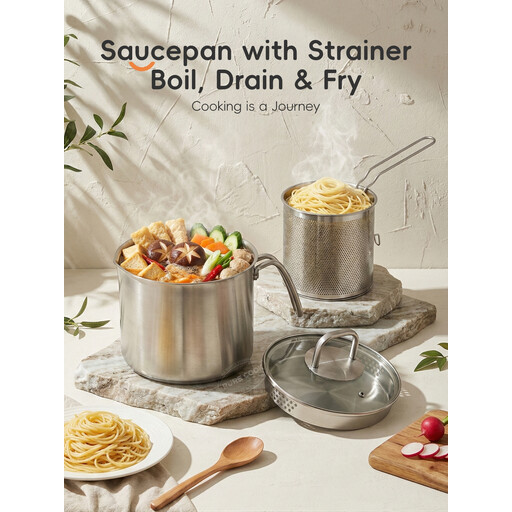
Why This Fits Their Persona: This 2.8-litre multi-purpose cooking pot suits home cooks who want one vessel for pasta, noodles, soup, milk, blanching and occasional frying.
The listing specifies its 304 stainless steel construction, 2.8-litre capacity, included basket and compatibility with gas, induction and ceramic hobs.
High-walled design; pouring spout; three-layer magnetic heat-conducting base; dishwasher safe according to the product information.
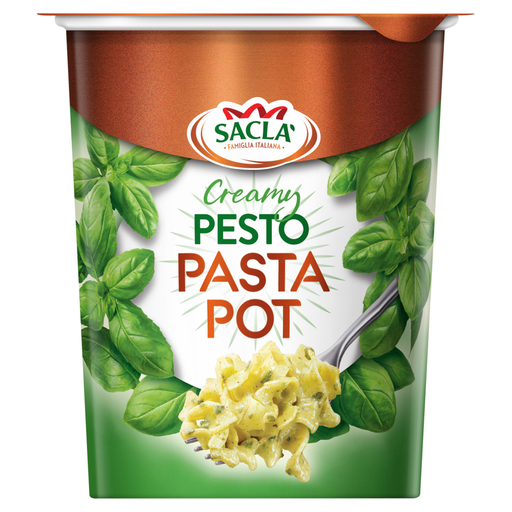
Why This Fits Their Persona: For office workers, students or anyone needing a convenient Italian-style meal, this 80 g pasta pot is prepared by boiling and is described as ready in five minutes.
It is a portioned food product rather than cookware, so the 80 g quantity, ingredients, allergens and storage information are clearly stated for checking before purchase.
Five-minute preparation; basil and cheese sauce; made in Italy; suitable from age three according to the product information.
We have compiled a complete, real-time list of products that fully satisfy these strict selection criteria and UK safety regulations.
Consider your usual portion size first. A couple cooking pasta once or twice a week may prefer a 20 cm non-stick saucepan with lid. If you cook different foods in small batches, a 2.8-litre deep pan provides more room and can reduce the need for several separate pieces of cookware.
For induction users, confirm magnetic-base compatibility rather than assuming stainless steel will work. For quick meals, a ready-prepared pasta pot may be more convenient than washing a pan, measuring ingredients and waiting for water to boil. Always check allergens, storage instructions and the stated best-before date before eating.
Not usually. A compact pan can be adequate for small portions, sauces and milk. A deeper 2–3-litre pot becomes more useful if you cook noodles, soup or several portions and want additional space to reduce splashing.
Only if the product information permits it. Even when dishwasher safe, hand washing with a soft sponge and avoiding abrasive tools may help maintain the cooking surface. Check the specific care instructions for the pan you buy.
Induction hobs can transfer heat directly to a compatible pan, but actual energy use depends on the hob, heat setting, cooking time, pan size and the amount of food or water. Matching the pan base to the hob ring and using a lid may help avoid unnecessary heating.