
24/7 Customer Support

Free returns

Same-day & Next-day Delivery

Quality Guaranteed

Unlock Your Welcome Offers: FREE Delivery | Up to 80% OFF | Free 30-day JoyPlus trial
Download the APP
Pasta products can solve several UK mealtime problems, from a five-minute lunch at work to a family pasta bake. However, the range includes very different formats, portion sizes and nutritional profiles. A product labelled as “protein” may still be high in salt, while a large-looking pot may contain only one modest serving.
This guide explains what to check before buying, then matches a selection of pasta products to different shopping needs.
Instant pasta pots often show nutrition per 100g prepared, while the pack itself may weigh between 65g and 105g before water is added. These figures are not directly comparable with dry pasta or frozen meals.
Always check:
For example, a 69g pasta pot can provide a convenient snack, but it is not equivalent to a 350g frozen ready-to-eat pasta meal.
Protein pasta can offer more protein per 100g than conventional pasta, but the overall product may also contain considerable fat or salt. Samyang Tangle Garlic Oil Protein Pasta Big Bowl lists 13g protein per 100g, alongside 18g fat and 3.0g salt per 100g. The creamy mushroom version lists 12g protein and 3.2g salt per 100g.
Use the nutrition panel to compare the full picture. If you are choosing between instant pasta, protein pasta and standard macaroni, check protein, saturated fat, salt and portion size together rather than relying on front-of-pack wording.
Many pasta products contain wheat, milk or egg. Vegan pasta can still contain wheat and soya, and products made in shared facilities may carry additional allergen warnings.
Read the ingredients list and allergen emphasis every time, particularly when buying for children, guests or anyone with an allergy. A product described as vegetarian is not automatically vegan, and a mushroom flavour does not necessarily mean the product is free from dairy.
Choose the format around how you will use it:
Preparation instructions also matter. Some pots are intended for boiling water, while others require microwaving. Follow the label and do not consume instant pasta products raw.
Durum wheat semolina is commonly used in dry pasta and provides the characteristic firm texture. Napolina Fusilli and Napolina Plain Lasagne are both made with 100% durum wheat semolina, while Cornwall Pasta Co. Macaroni is made with organic wheat.
Shape affects the dish:
For garlic pasta, creamy mushroom pasta or tomato-based dishes, consider whether the sauce is supplied separately, powdered or already mixed into the meal.
Ambient pasta products are useful pantry staples, but check the storage instructions and packaging condition. Do not buy a pot or pouch that is open, torn, leaking or visibly damaged. After preparation, some products should be eaten immediately and not reheated.
For family cooking, compare the total pack size with the number of servings. A 500g dry pasta bag can support several meals, whereas an 80g or 105g pot is generally intended for one occasion. Frozen products must remain at the stated temperature and should not be refrozen after thawing.
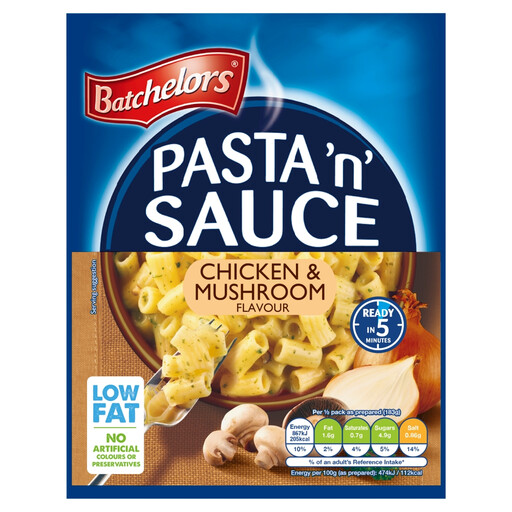
Why This Fits Their Persona: A practical ambient option for quick lunches, student kitchens and weekday snacks, with preparation on the hob or in the microwave.
The 99g pack clearly states that 250ml water and 100ml milk are required, helping shoppers account for preparation ingredients and cost.
Five-minute preparation; ambient storage; contains no artificial colours or preservatives according to the supplied product information.
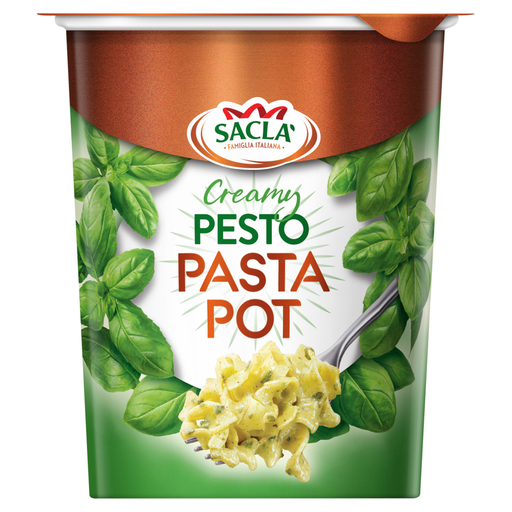
Why This Fits Their Persona: Suitable for shoppers wanting an Italian-style pesto flavour in a compact pot for office lunches or a quick bite.
The product provides both per-100g and per-cup nutrition, making the 314 kcal and 1.9g salt per prepared cup easier to identify.
Made in Italy; five-minute preparation; supplies 12g protein per prepared cup.
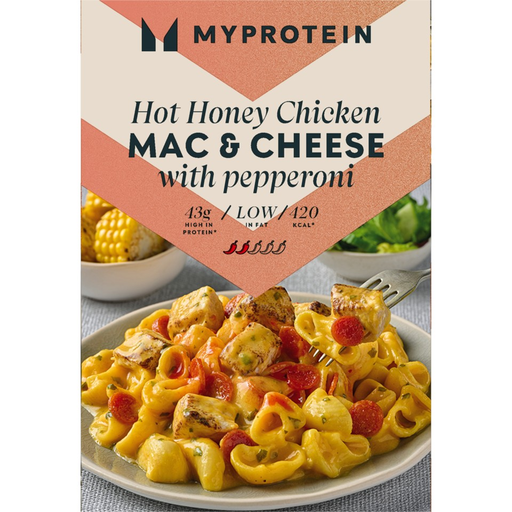
Why This Fits Their Persona: A larger frozen meal for shoppers looking for a substantial ready-to-cook option rather than a small instant pasta pot.
Its 350g pack size makes the serving format clear, while the label identifies wheat, milk and mustard allergens and frozen storage requirements.
14.5g protein per 100g; includes chicken, pasta, cheese and hot honey sauce; requires thorough cooking.
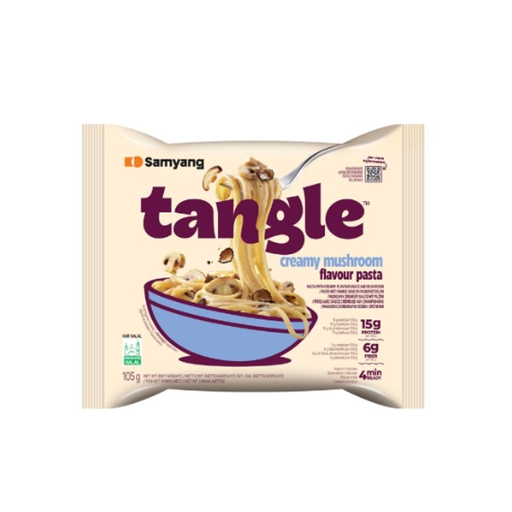
Why This Fits Their Persona: A pantry-friendly vegan pasta option for quick lunches, meat-free weekdays and shoppers comparing protein pasta formats.
The supplied information identifies the product as vegan and lists wheat as an allergen, while also warning of shared-facility processing.
Pea protein isolate in the pasta; 12g protein per 100g; hot-water preparation and ambient storage.
We have compiled a complete, real-time list of products that fully satisfy these strict selection criteria and UK safety regulations.
Pasta pots are suitable for quick lunches, desk-side meals and snacks when you have access to boiling water or a microwave. Check the serving size, preparation method and salt content before choosing one as a regular meal.
Dry pasta can usually be stored in a cool, dry cupboard until the date shown on the packaging. Once opened, reseal the bag and follow the storage instructions. Fresh or frozen products have different requirements, so check their labels rather than applying dry-pasta storage guidance.
No. Many vegan pasta products use wheat flour and therefore contain gluten. For example, vegan protein pasta may contain wheat alongside pea protein. Check the allergen information and packaging for suitable dietary guidance before buying.