For a lower-salt pasta meal, start with the sauce, toppings and cooking method rather than assuming the dried pasta is the main source of salt. Check salt and carbohydrate for the portion you will eat; for long, hot or high-sweat rides, make food and hydration decisions separately rather than treating a lower-salt meal as a hydration plan.
Who this helps
Everyday cyclists watching meal salt
If you cycle regularly and want to manage salt in ordinary meals, compare the sauce and other additions as well as the pasta. The NHS counts salt already in food and salt added during cooking towards daily intake.
Cyclists planning meals around longer rides
If a harder or repeated session affects your meal planning, check the carbohydrate in the portion you intend to eat. The British Dietetic Association says carbohydrate needs depend on the training programme and overall dietary goals; the salt content of a pasta meal does not settle a separate hydration decision.
Cyclists choosing a quick meal
If convenience matters, compare the salt, carbohydrate and protein for the amount of sauce or prepared pasta you will actually eat. An ingredient described as reduced sodium salt does not, by itself, tell you the meal's total salt content.
What to check when buying
Decide whether you are buying a pasta base, a sauce or a complete meal, then use the current label to work out the nutrition for your portion.
| Concern | What to check | Who this matters to |
|---|
| Salt in the whole meal |
Compare salt per 100g between similar products, then calculate your portion. Include cooking salt, sauce and toppings. |
If I am managing salt in everyday meals, I need the figure for what ends up on my plate, not just the dried pasta. About 42% of consumers put whole-meal salt first. |
| Carbohydrate for the planned ride |
Check carbohydrate for your intended serving and whether the label describes dry pasta or a prepared meal. |
When I plan food around a demanding ride, I want to know what carbohydrate my portion provides. For about 33% of consumers, that is the primary concern. |
| Convenience and full-pack nutrition |
Check the pack weight and servings, then calculate salt, carbohydrate and protein for the amount eaten. |
If I need a ready-to-heat meal, speed matters, but I still want to assess the entire portion. Roughly 25% of consumers prioritise that combination. |
Common buying mistakes
-
Reading the dry-pasta label as the finished meal
Barilla UK lists 0.013g salt per 100g dry Spaghetti N°5, but its cooking instructions suggest adding 7g salt per litre of water for 100g pasta. Sauce and toppings also affect the meal.
For a lower-salt meal, decide how much salt to add during cooking and check the labels and quantities of your additions.
-
Comparing per-100g figures without the portion
A chilled meal's per-100g figure does not describe the whole pack. Dry pasta and ready-to-eat pasta also contain different amounts of water, so their per-100g carbohydrate figures are not directly interchangeable.
Calculate the nutrition for the amount you will eat and compare products in the same form where possible.
-
Using a pasta choice as a hydration plan
Salt in a meal cannot determine what fluids or electrolytes suit a particular ride. The UK Sports Institute discusses sodium-containing drinks in the context of retaining fluid during recovery.
Consider food and fluids separately for long, hot or high-sweat rides. Seek qualified, individual advice if you have a relevant medical condition or need a personalised plan.
-
Judging total salt by an ingredient description
The words reduced sodium salt in an ingredient list do not give the finished product's salt per serving. Recipes and nutrition information can change.
Read the current pack's nutrition declaration and portion information; for a chilled meal, also check its allergens, storage instructions and use-by date.
Brands and retailers to compare
Barilla
Its Spaghetti N°5 is an example of a dried pasta base whose sauce can be chosen separately.
- Barilla UK lists 71.2g carbohydrate and 0.013g salt per 100g dry Spaghetti N°5.
- Barilla's cooking instructions suggest adding salt to the water; the dry-pasta figures do not describe a finished plate.
Dolmio
Its jarred Bolognese Original Sauce is a convenience option to compare alongside separately cooked pasta.
- The Joybuy UK listing gives 0.75g salt and 7.5g carbohydrate per 100g sauce, allowing a calculation for the amount used.
- Do not assume this sauce is a reduced-salt choice; compare its current label with other sauces and include it in the meal total.
M&S
Its chilled pasta meals provide per-100g figures for comparing ready-to-heat options.
- Marks & Spencer lists 0.25g salt and 15.0g carbohydrate per 100g Creamy Roasted Mushroom Tagliatelle; its Pasta and Meatballs lists 0.40g salt and 12.2g carbohydrate per 100g.
- Calculate the amount you will eat and check the current pack, as recipes and nutrition information can change.
Tesco
Its pasta-sauce and ready-meal ranges offer products to compare by their individual labels.
- Tesco Groceries lists both Dolmio and own-label lasagne sauces in its pasta-sauce range.
- A category listing or dietary filter does not establish the salt content of a particular product; check its current nutrition declaration.
Dried pasta options on Joybuy
These dried pasta options suit meals where you choose the sauce, fillings or toppings separately. Check the current pack and your cooking method before calculating the finished meal.
 No image available
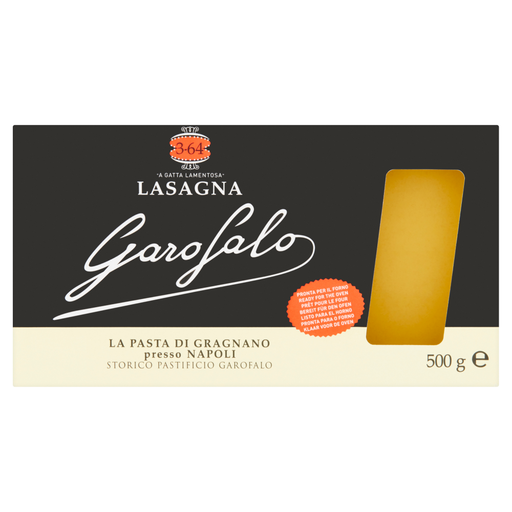
Garofalo Lasagne Sheets 500g
For a lasagne in which you choose the fillings and sauce separately. The pack contains 500g of sheets; check the current label and the amounts of other ingredients to assess the finished portion.
 No image available
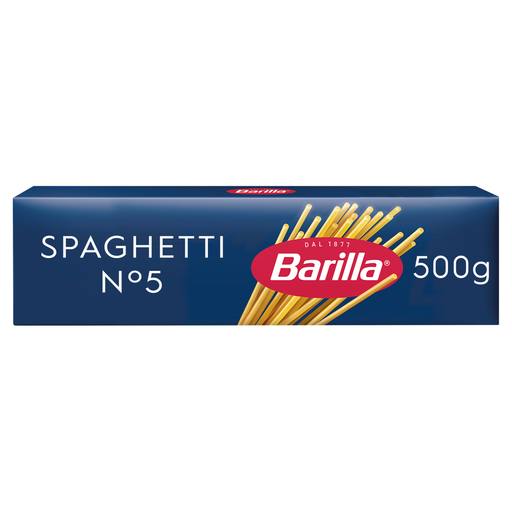
Barilla Spaghetti 500g
For a spaghetti meal with a separately chosen topping. The pack contains 500g; account for any salt added during cooking as well as the amount of sauce you serve.
 No image available
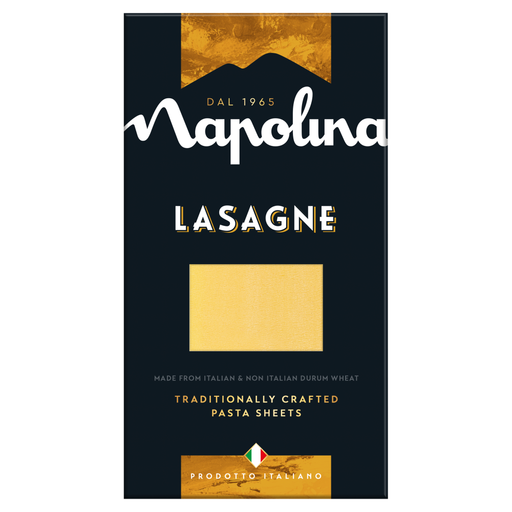
Napolina Plain Lasagne 375g
For a pasta base to combine with your chosen sauce and fillings. The pack contains 375g of plain lasagne; calculate the nutrition for the assembled portion rather than treating the pasta alone as the meal.
 No image available
Morrisons Fusilli 500g
For a fusilli meal with sauce or other additions chosen separately. The pack contains 500g; check its current nutrition declaration and account for cooking salt and toppings when assessing your portion.
Questions about pasta and cycling
Is dried pasta usually the main source of salt in the meal?
Not necessarily. Barilla UK lists 0.013g salt per 100g dry Spaghetti N°5, while the Joybuy UK listing for Dolmio Bolognese Original Sauce gives 0.75g per 100g sauce. Those are different product forms, so calculate the quantities you use and include cooking salt and toppings before judging the meal.
Should a cyclist always choose the lowest-salt pasta meal?
No single salt figure decides whether a meal fits a planned ride. The NHS advises adults to have no more than 6g salt a day, while the British Dietetic Association says carbohydrate needs vary with training. For long, hot or high-sweat rides, consider hydration separately from your pasta choice.
How do I compare dried pasta with a chilled pasta meal?
Calculate salt and carbohydrate for the portion you will eat, and check whether each label describes dry pasta or food ready to eat. Water and other ingredients change the per-100g figures, so comparing two products in the same form is a clearer starting point.
Does reduced sodium salt in the ingredients mean the meal is low in salt?
No. The ingredient name does not state the finished meal's total salt. Marks & Spencer lists 0.25g salt per 100g Creamy Roasted Mushroom Tagliatelle and 0.40g per 100g Pasta and Meatballs; use the current nutrition declaration and your portion size to assess either meal.


