For a pasta-based side or alternative on Chinese takeaway night, focus on the salt in the whole serving, including pasta sauce and any soy seasoning, rather than treating the pasta or a low-fat claim as proof of a lower-salt meal. Compare the salt figures on the exact packs using the amounts you intend to serve; a soy sauce labelled reduced salt can still contribute salt.
Who is choosing?
Consumers planning the meal’s salt content
If pasta is replacing part of a takeaway or sitting alongside it, the sauce and seasoning need attention as well as the pasta. NHS guidance identifies takeaways and sauces, including soy sauce, as sources of salt.
Consumers choosing a quick pasta sauce
A ready-to-use jar saves preparation, but its salt figure applies to a stated amount. Check the portion you will use rather than taking a low-fat description as a salt claim.
Consumers checking allergens
Check pasta, sauce and soy seasoning separately. A gluten-free claim on one sauce does not establish that the other parts of the meal are suitable.
What matters when buying?
For pasta served with or instead of takeaway, decide which need takes priority, then check the labels and portions for every component you plan to use.
| Concern |
What to check |
Who this matters to |
| Salt across the meal |
Compare like-for-like sauce figures per 100g, then use the salt figure for the amount you will serve. Check any soy sauce separately. |
If pasta is part of my takeaway night, I want to account for sauce and seasoning rather than judge the pasta alone. About 50% of consumers put salt across the meal first. |
| A convenient sauce |
Check the exact jar’s salt per 100g and stated serving, including how many servings it contains. |
When I want a quick pasta meal, I need a jar I can portion without mistaking a low-fat claim for a salt claim. Convenience is the primary concern for about 30% of consumers. |
| Ingredient compatibility |
Read the current ingredient and allergen statements on the pasta, sauce and condiment. |
If I need to avoid particular ingredients, a suitable sauce alone does not settle what I can serve with it. Ingredient compatibility comes first for about 20% of consumers. |
What should you avoid assuming?
-
Assuming pasta makes the whole meal lower in salt
Salt from a jarred sauce, takeaway food or a condiment still counts towards what is served. NHS guidance specifically identifies takeaways and sauces, including soy sauce, as salt sources.
Decide how much of each component you will serve, then read its salt label.
-
Reading “reduced salt” as “low salt”
The Sainsbury’s Reduced Salt Soy Sauce product information lists 0.34g salt per 5ml teaspoon and labels that serving high in salt. A comparison with a standard product does not describe unlimited use.
Measure the amount you intend to add and check its contribution to the meal.
-
Relying on an earlier online label
Ingredients, nutrition information and storage instructions can differ between products or change over time.
Read the current pack before buying and again before serving, particularly when an allergen matters.
-
Assuming a gluten-free sauce makes the meal gluten free
Barilla describes its Basilico sauce as gluten free, but that claim does not apply to the pasta or any soy seasoning served with it. The soy sauces described by Sainsbury’s and Asda contain wheat and soya.
Check each component’s current allergen information against the ingredients you need to avoid.
Brands to consider
These product-line examples help distinguish a salt figure from other label claims; their details should not be applied to every product from the same brand.
Dolmio
Jarred pasta sauce, represented here by Low Fat Bolognese 450g.
- Asda lists 0.67g salt per 100g and 0.75g per 112g serving for this sauce.
- Its low-fat description is not a reduced-salt claim. These figures do not describe other Dolmio varieties or pack sizes.
Barilla
Pasta sauce, represented here by Basilico.
- Barilla describes Basilico as gluten free.
- Check the current pack’s salt figure before choosing it for a salt-conscious meal; a gluten-free claim does not answer that question.
Asda
Own-label Bolognese pasta sauce and an Amoy reduced-salt soy sauce listed by the retailer.
- Asda lists 0.68g salt per 100g and 0.85g per quarter-jar serving for its Bolognese Pasta Sauce 500g.
- The separate Amoy Reduced Salt Soy Sauce listing gives 0.57g salt per 5ml and identifies soya and wheat; its reduced-salt comparison is with Amoy Dark Soy Sauce.
M&S
Pasta sauce, represented here by Tomato and Basil Pasta Sauce 340g.
- Marks & Spencer lists 0.60g salt per 100g for this sauce.
- Its product information says to use it within three days of opening and states that it is not suitable for people with milk or egg allergy. Check the exact pack rather than applying these details to other sauces.
Sainsbury’s
Own-label Reduced Salt Soy Sauce for meals that include soy-style seasoning.
- Sainsbury’s lists 0.34g salt per 5ml teaspoon.
- The same serving is labelled high in salt. The product contains soya and wheat, and its listing warns that it is not suitable for customers with sesame allergy because of manufacturing methods.
Joybuy products for this meal
These products cover a pasta base, a pasta sauce and a soy-style condiment for a Chinese takeaway night. Choose the components you intend to serve and check their current labels together; none should be treated as proof that the finished meal is reduced salt.
 No image available
Napolina Spaghetti 500g
Choose this as the pasta base if you plan to decide on sauce and seasoning separately. Check the current pack for ingredients and salt information, and account for anything added during cooking or serving.
View on Joybuy
 No image available
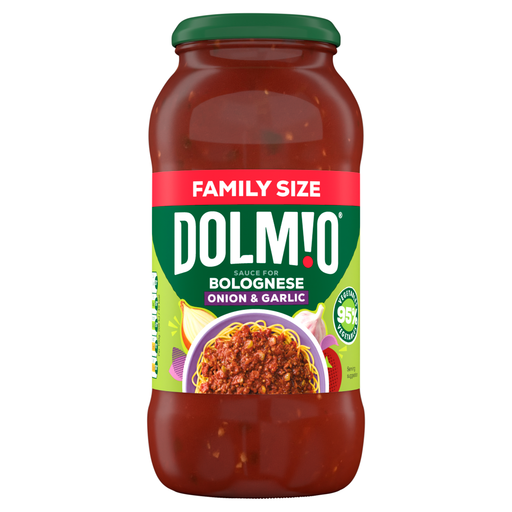
Dolmio Bolognese Onion and Garlic Pasta Sauce 675g
This ready-to-use sauce is an option when convenient pasta preparation matters. Check the salt figure and serving size on this 675g variant’s current label; figures for a different Dolmio sauce or pack size should not be transferred to it.
View on Joybuy
 No image available
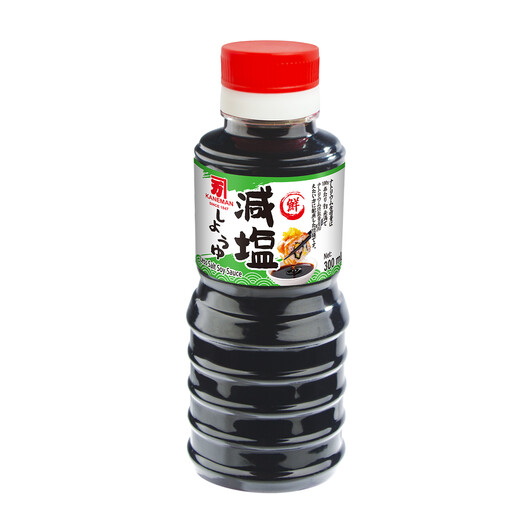
Less Salt Soy Sauce 300ml
Consider this condiment if you want soy-style seasoning alongside the pasta meal. The “less salt” name does not tell you how much salt your chosen serving adds; check the current pack, measure what you use and review its allergen statement.
View on Joybuy
Questions about labels and storage
Does a low-fat pasta sauce also have less salt?
Not necessarily: “low fat” describes a different nutrient. Asda lists 0.75g salt per 112g serving for Dolmio Low Fat Bolognese 450g, so compare the salt line on the exact sauce you intend to use rather than relying on its low-fat name.
Can I pour reduced-salt soy sauce freely?
Measure it as part of the meal instead. Sainsbury’s lists 0.34g salt per 5ml teaspoon for its Reduced Salt Soy Sauce and labels that serving high in salt; NHS guidance also identifies soy sauce as a source of salt.
What should I check if the meal must avoid an allergen?
Read the current label for every pasta, sauce and condiment you will serve. GOV.UK guidance identifies cereals containing gluten and soybeans among allergens that food businesses must declare when present; a gluten-free sauce claim does not establish the status of the rest of the meal.
How long can I keep an opened pasta sauce?
Follow the instruction on the exact jar. Marks & Spencer says to refrigerate its Tomato and Basil Pasta Sauce after opening and use it within three days; check the current pack when choosing another sauce.


