Home cooks watching salt
You want to cook pasta until soft and keep control of the sauce and salt added during preparation.


Choose a pasta meal whose prepared texture the eater can manage, then compare the salt in the amount they will eat. Cooking pasta at home lets you adjust its softness and choose how much jarred sauce to use; tinned pasta and ready meals take less preparation but still need a portion-salt and texture check. If a swallowing texture has been prescribed, follow the individual plan rather than relying on an easy-chew description.
You want to cook pasta until soft and keep control of the sauce and salt added during preparation.
You are considering tinned pasta or a ready meal and need to compare salt for the amount served, not just the figure per 100g.
You need to assess whether the finished meal is manageable for the eater and distinguish everyday easy-chew preparation from a prescribed swallowing plan.
For a lower-salt pasta meal that must also be easy to chew, check the prepared texture, the salt in the portion and the preparation the meal requires.
| Concern | What to check | Who this matters to |
|---|---|---|
| Salt in the meal | Compare salt per 100g for similar products, then check the figure for the portion you will serve. Include any salt added during cooking. | If keeping salt down is my main concern, I need to know what the whole serving contributes, not rely on a claim on the front of the pack. About 42% of consumers put the meal’s salt contribution first. |
| Prepared texture | Check the cooked pasta and sauce for softness and moisture, including any hard, tough or stringy pieces. Follow an individual plan where a swallowing texture is prescribed. | When I prepare food for someone who finds chewing difficult, the finished mouthful has to be manageable before convenience influences my choice. Texture suitability comes first for about 33% of consumers. |
| Preparation effort | Check the heating instructions, intended serving size and salt for the amount eaten; assess the texture after heating. | On a day when cooking from separate ingredients is difficult, I want a quick pasta option without overlooking its portion or texture. Minimal preparation is the primary need for about 25% of consumers. |
The sauce, other ingredients and salt added during cooking all contribute to the finished meal. NHS guidance gives adults a maximum of 6g of salt a day, including salt already in packaged food.
Compare the label’s per-100g and serving figures, then account for the amount you will actually use.
Shape, cooking and additions such as hard or stringy pieces affect the finished mouthful. International Dysphagia Diet Standardisation Initiative guidance for Level 7 Easy to Chew excludes hard, tough, chewy, fibrous and stringy foods.
Check the prepared dish for a soft, moist texture. Where a swallowing plan has been prescribed, follow that individual guidance.
A per-100g figure does not tell you how much salt is in the pack you intend to eat. Dolmio lists 1.5g of salt for its 250g Classics Rigatoni Bolognese ready-meal pouch.
Read the pack or serving figure before comparing a ready meal with a smaller portion of another product.
A product’s current ingredients, allergens and nutrition information matter when choosing a specific pack.
Check the label on the product you buy, particularly when texture requirements or allergens affect the meal.
Examples include jarred Bolognese sauce and a single-serve rigatoni ready meal.
Barilla UK lists several red sauces, including basil, Napoletana and Bolognese options.
Tesco’s reduced sugar and salt spaghetti letters are a tinned pasta option in tomato sauce.
Its Carbonara is an example of a creamy jarred pasta sauce, rather than a reduced-salt-labelled option.
ASDA Groceries lists an own-label Bolognese sauce that can be considered for pasta cooked at home.
Tomato and Basil is one jarred sauce option for a home-prepared pasta dish.
These options cover pasta for home cooking and convenient sauced pasta formats. Whichever you choose, assess the prepared texture and check salt for the complete serving.
 No image available
For a lasagne prepared at home, these gluten-free sheets leave you to choose the sauce and assess the texture of the cooked dish. Check the salt in the complete serving, including sauce and any added salt.
 No image available
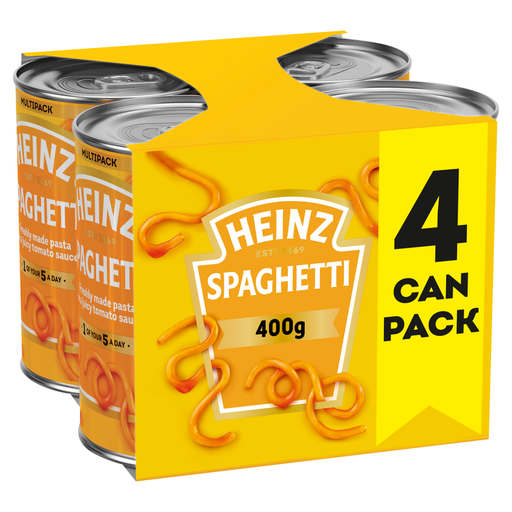
For a tinned, sauced pasta option, compare the salt for the amount served rather than assuming it is a reduced-salt product. Check the spaghetti’s texture after heating before serving it for an easy-chew meal.
 No image available
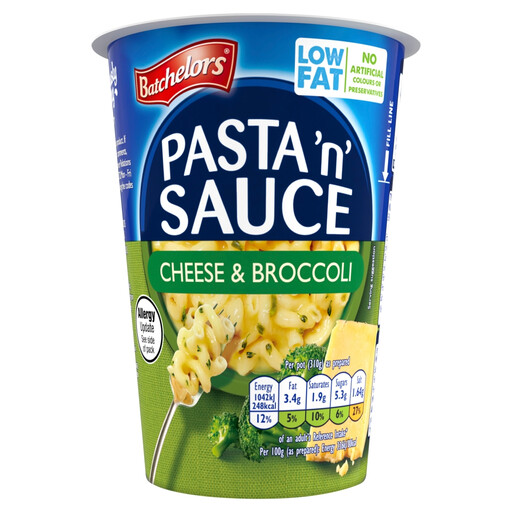
For a pasta-and-sauce pot requiring little preparation, check the salt for the full prepared portion on the pack. Assess whether the cooked pasta is soft and moist enough for the eater; the pot format alone does not establish easy-chew suitability.
Not necessarily. Check salt per 100g and for the portion you will eat instead of treating the front-of-pack wording as a whole-meal figure. NHS guidance gives adults a maximum of 6g of salt a day, including salt in packaged foods.
No: judge the prepared dish, including its sauce and any hard or stringy additions. International Dysphagia Diet Standardisation Initiative guidance for Level 7 Easy to Chew excludes hard, tough, chewy, fibrous and stringy foods. If an individual swallowing plan has been prescribed, follow that plan.
Cook it until soft rather than firm and serve it with enough sauce to keep the mouthful moist, checking for unsuitable hard or stringy pieces. NHS Lothian’s easy-chew guidance describes softening food and adding sauce for moisture; compare sauce labels when choosing what to use.
Use both: per 100g helps compare similar products, while the portion figure relates to the amount eaten. For a ready meal, check the full pack if you intend to eat it all; Dolmio lists 1.5g salt for its 250g Classics Rigatoni Bolognese pouch.