
24/7 Customer Support

Free returns

Same-day & Next-day Delivery

Quality Guaranteed

Unlock Your Welcome Offers: FREE Delivery | Up to 80% OFF | Free 30-day JoyPlus trial
Download the APP
A ready-to-use pasta sauce can turn a busy evening into a quick pasta meal, but the shelf is full of products that suit very different needs. A rich bolognese sauce is not interchangeable with a light tomato pasta sauce, while pesto, carbonara and pasta bake sauces vary considerably in ingredients, preparation and storage.
The main buying challenge is separating useful product information from vague marketing language. Before adding a jar or pot to your basket, check the following common pitfalls.
A large jar may appear economical, but it may be designed for only two or three portions. For example, a 350g jar can suit a smaller household, while a 675g jar is more practical for family meals or batch cooking. Compare the net quantity and stated serving guidance, rather than judging value by the jar’s appearance.
Tomato sauces can contain added sugar, salt, oils or modified starch. This does not automatically make a product unsuitable, but it is worth checking the nutrition panel when comparing everyday options. Look at values per 100g and consider how much sauce you are likely to use with each portion.
Pesto commonly contains milk, cheese and nuts. Creamy pasta sauce may contain milk, egg or barley-derived flavourings, while meat-based recipes can include celery in the vegetable base. A sauce labelled vegetarian is not necessarily vegan, and a product suitable for adults may not be suitable for young children. Always read the current packaging, particularly when buying for someone with an allergy.
Choose the sauce according to how you plan to use it:
UK food labels list ingredients in descending order by weight. If tomatoes are high on the list, the sauce may have a more tomato-led base, while oils, starches or sweeteners appearing earlier can indicate a different texture or flavour profile.
Allergens must be emphasised on the label. Pay particular attention to milk, wheat, egg, soya, celery, mustard and nuts. Cross-contamination statements such as “may contain” should also be considered when buying for an allergy-sensitive household.
A ready-to-use pasta sauce may only require gentle heating, while a pasta pot can need boiling water, milk or microwave preparation. Check whether the product is ambient, chilled or intended for immediate use.
Once opened, many jarred sauces need refrigeration and consumption within three days. Other products have different guidance, such as pesto that can last longer when refrigerated or a baby food pouch that should be used within 24 hours. Follow the packaging instructions, keep lids and seals intact, and do not use damaged containers.
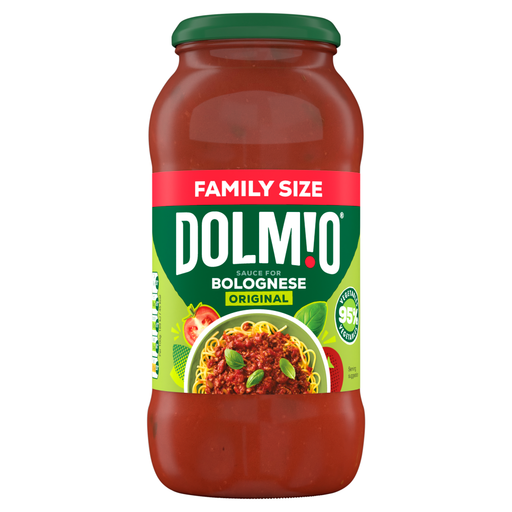
Why This Fits Their Persona: The larger jar suits families, shared households and shoppers who want a straightforward base for spaghetti bolognese without preparing a sauce from scratch.
Its 675g quantity makes it easier to compare against smaller jars by total usable volume. The ingredient list identifies tomatoes, tomato paste, onion, basil, garlic and herbs.
Tomatoes make up 83% of the listed ingredients; the product contains no artificial colours, flavours or preservatives according to the supplied product information.
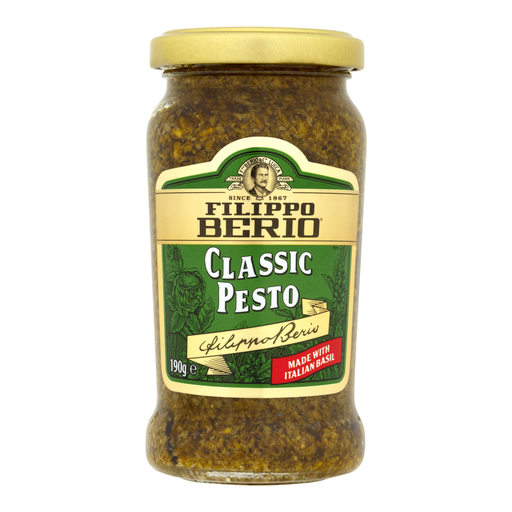
Why This Fits Their Persona: A practical choice for shoppers seeking an Italian-style pesto with basil, olive oil, cheese and nuts for pasta, sandwiches or salads.
The ingredient list gives clear percentages, including 46% Italian basil. It also clearly identifies cashew nuts and milk, helping allergy-aware shoppers filter their options.
Contains Italian basil, extra virgin olive oil, Parmigiano Reggiano and Pecorino Romano. The 190g jar is suitable for several smaller meals.
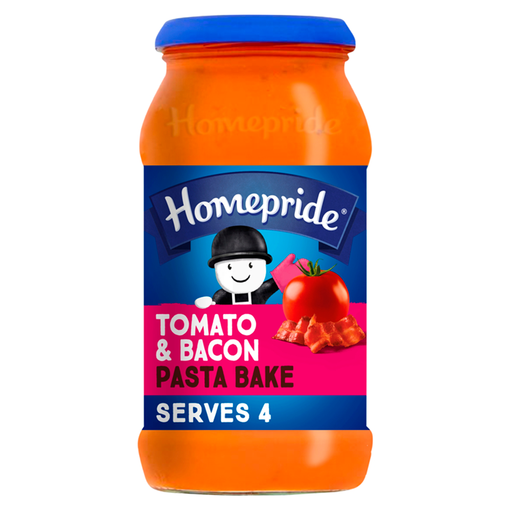
Why This Fits Their Persona: Designed for family pasta bakes, this jar is useful when you want an oven-finished meal with limited preparation and no separate meat ingredient.
The preparation guidance states that it is mixed with 300g cooked pasta, topped with 100g cheese and baked for 20–25 minutes.
The 485g jar is described as serving four. It contains smoky bacon pieces and provides oven instructions for a bubbling pasta bake.
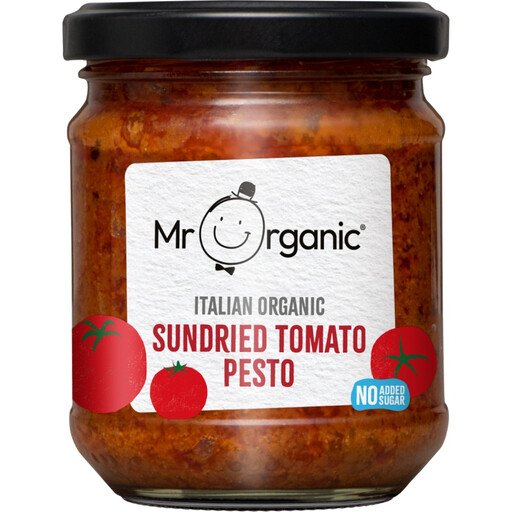
Why This Fits Their Persona: Suitable for vegans and made with organic ingredients, it provides a dairy-free option for pasta, sandwiches and salads.
It uses tofu rather than dairy cheese and clearly lists soya as an allergen. The product information identifies it as organic and suitable for vegans.
Contains 28% rehydrated sun-dried tomatoes and is made with plant-based ingredients. It can be used without additional cooking beyond warming with pasta.
We have compiled a complete, real-time list of products that fully satisfy these strict selection criteria and UK safety regulations.
A ready-to-use pasta sauce is generally the simplest option: heat it gently, combine it with cooked pasta and add vegetables, beans or protein if required. Pasta pots can be quicker for one person, but check whether they require milk, boiling water or microwave preparation.
Many ambient jars should be refrigerated after opening and used within three days. However, instructions vary by product. Some pesto products allow longer refrigerated storage, while baby food products may require use within 24 hours. The label on the specific pack takes priority.
Use a product specifically labelled for the relevant age stage, such as a 7+ months baby food recipe. Check the texture, ingredients and allergen information, and follow the warming, storage and serving instructions. Do not substitute a standard adult bolognese or carbonara sauce for a baby food product simply because the flavour is similar.