Choose a pasta sauce by its nutrition label and the amount you will use, rather than treating fresh as a shortcut for a particular nutrition profile. A chilled sauce can suit a meal you plan to make soon; a cupboard-stored sauce offers a different storage routine, while passata gives you control over the ingredients you add. Compare the sauce per 100g and for your portion, then account for the pasta and other additions.
Who these choices suit
Portion-and-calorie trackers
If you plan the energy content of a pasta meal, compare the sauce in kcal per 100g and apply that figure to the amount you will use. The NHS notes that labels give nutrition per 100g and sometimes per portion; a stated portion may differ from yours.
Fast fresh-meal planners
A chilled sauce may fit a quick meal if you can refrigerate it as directed and use it by the dates on the pack. Its convenient format does not, by itself, establish how its nutrition compares with a jarred sauce.
Recipe-control cooks
Passata provides a tomato base if you prefer to choose the oil, vegetables, protein or cheese yourself. Napolina describes its passata as a base for pasta sauce, so allow for preparation and assess the finished recipe, not just the base.
What to check before buying
Decide how much sauce you will serve, then compare labels and choose a storage or preparation routine that fits when you cook.
| Concern |
What to check |
Who this matters to |
| Energy and portion |
Compare kcal per 100g, then work out the figure for the amount of sauce you intend to use. Include pasta and additions when considering the meal. |
If I serve more sauce than the pack's stated portion, I need to plan around the amount on my plate. About 42% of consumers put energy and portion fit first. |
| Recipe composition |
Read saturated fat and salt per 100g and for your portion; check the ingredients list rather than relying on a flavour or front-of-pack claim. |
When choosing between tomato-led and creamy recipes, I want to know what else goes into the sauce. For about 33% of consumers, that nutrition and ingredient comparison is the primary concern. |
| Storage and preparation |
Check a chilled sauce's use-by and post-opening instructions, or decide whether you have time to turn passata into a finished sauce. |
If I cook pasta only occasionally, I need a format I can store and use within its instructions. Storage and preparation are the main concern for about 25% of consumers. |
Common buying mistakes
-
Assuming fresh means fewer calories
The cited M&S Tomato and Basil fresh sauce lists 93 kcal per 100g, while Tesco's cupboard-stored Onion & Garlic Pasta Sauce lists 45 kcal per 100g. These are two individual products, not a rule about either format.
Compare the exact sauces per 100g and for the quantity you intend to serve.
-
Overlooking the portion of a creamy sauce
Sainsbury's lists 202 kcal and 7.8g saturated fat for a heated half-jar serving of its Tomato & Mascarpone sauce. A per-100g figure alone will not describe that serving.
Check both the declared serving and your own portion, particularly when comparing cheese-containing and tomato-led recipes.
-
Buying chilled sauce without a meal date in mind
Chilled sauces have product-specific refrigeration, use-by and post-opening instructions. The Food Standards Agency identifies eating food after its use-by date as a food-safety risk.
Check the date and pack directions before buying; freeze only in accordance with those directions and within the stated date.
A pack you cannot use within its instructions may go to waste.
-
Letting a front-of-pack phrase make the decision
Descriptions such as no added sugar or hidden veg address only part of a product's composition.
Read the current nutrition panel, ingredients and allergen information for the specific sauce you are considering.
Brands to consider
M&S
A reference point for chilled tomato-based pasta sauce, including its Tomato and Basil Sauce.
- The product's published nutrition information allows a portion-based comparison.
- Follow the chilled-storage and date instructions on the particular pack; fresh is not a nutrition rating.
Tesco
Its listed range includes fresh pasta sauces as well as cupboard-stored tomato sauce.
- The Onion & Garlic Pasta Sauce gives a labelled cupboard-stored option to compare with a chilled sauce.
- Its nutrition figures describe that product, not every Tesco sauce.
Sainsbury's
Its pasta-sauce examples include chilled recipes and cupboard-stored tomato sauces.
- The Tomato & Mascarpone pack states nutrition for a half-jar serving, useful when assessing that portion.
- Check the individual recipe's ingredients, allergens and storage directions rather than applying one product's details to the range.
Dolmio
Dolmio describes ready-to-use pasta sauces, including a Tomato and Basil stir-in pot.
- A stir-in format offers a way to add sauce to cooked pasta.
- Check the exact product's nutrition and serving information; the format does not identify it as a chilled sauce.
Napolina
Its passata is a tomato base for making pasta sauce, rather than a finished chilled sauce.
- Starting with a base lets you choose the other ingredients in the recipe.
- Preparation takes time, and additions change the nutrition of the finished meal.
Joybuy sauce and passata selections
These selections cover cupboard-stored tomato pasta sauces and passata for cooking from a base. If you specifically want a chilled sauce, compare its pack instructions and nutrition label using the checks above.
 No image available
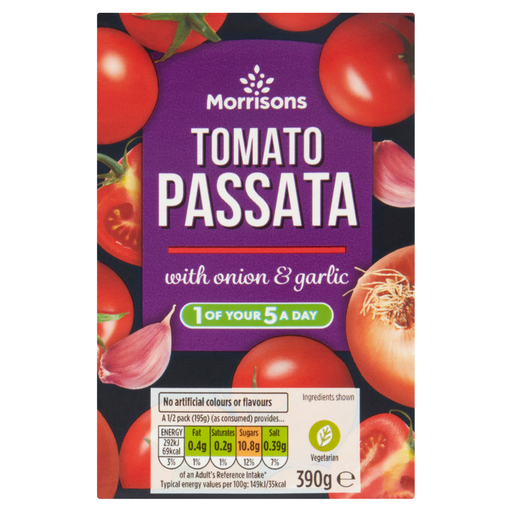
Morrisons Passata With Onion & Garlic 390g
Consider this 390g onion-and-garlic passata when a tomato base suits your meal plan. It is passata, not a chilled pasta sauce; account for the quantity you use and any additions.
View on Joybuy
 No image available
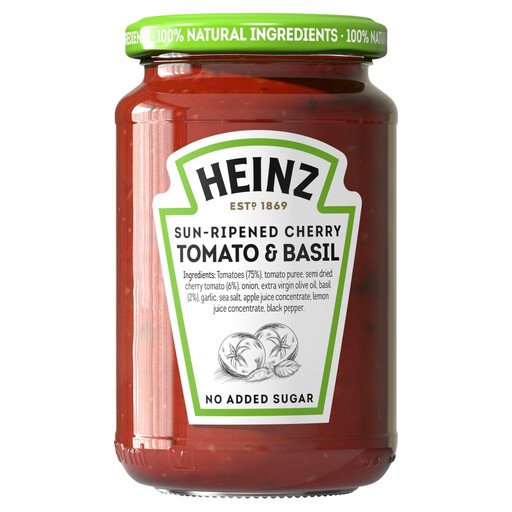
Heinz Cherry Tomato & Basil Pasta Sauce 350g
This 350g tomato-and-basil pasta sauce is a ready-made option if you do not want to cook from passata. Check the current pack for your serving quantity and its after-opening storage instructions.
View on Joybuy
 No image available
Mutti Tomato & Chilli Pasta Sauce 400g
Choose this 400g ready-made tomato sauce if you want a chilli flavour without preparing a sauce from a base. Compare its label for the amount you will use and follow the pack's storage directions after opening.
View on Joybuy
 No image available
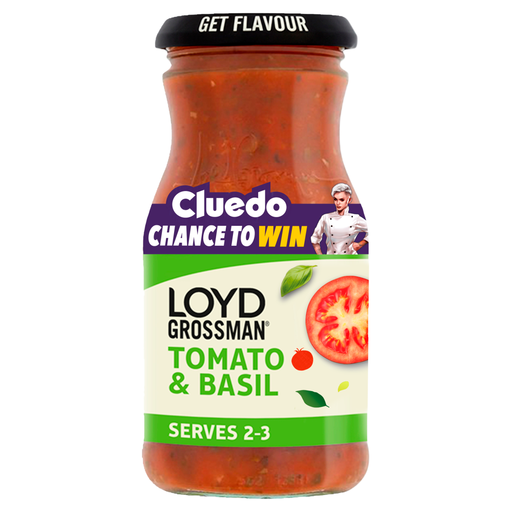
Loyd Grossman Tomato & Basil Sauce 350g
This 350g tomato-and-basil sauce is another ready-made choice for a planned pasta meal. Read the current nutrition panel and ingredients for your portion, and check how soon the pack must be used after opening.
View on Joybuy
 No image available
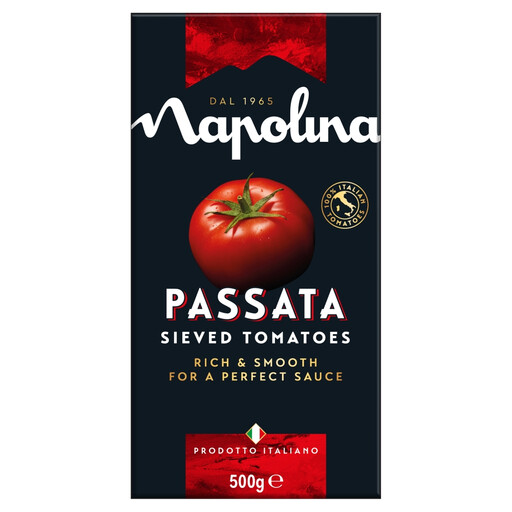
Napolina Tomato Passata 500g
Use this 500g tomato passata if you want to choose the other ingredients in your sauce. It is a cooking base rather than a finished chilled sauce, so allow for preparation and include additions when assessing the meal.
View on Joybuy
Questions about choosing and storing sauce
Is fresh pasta sauce automatically a better fit for weight management than jarred sauce?
No. Compare the exact products and the amount you will serve: the cited M&S fresh Tomato and Basil Sauce lists 93 kcal per 100g, while Tesco's cupboard-stored Onion & Garlic Pasta Sauce lists 45 kcal per 100g. Neither figure describes the pasta or other additions in your meal.
Which nutrition figures should I compare first?
Start with kcal per 100g so different pack sizes are comparable, then check saturated fat and salt and work out what your portion contributes. The NHS explains that nutrition is given per 100g and sometimes per portion; use your own sauce quantity if it differs from the stated serving.
Can I freeze a fresh pasta sauce?
Follow the instructions on the particular pack, including any freezing and defrosting directions. The Food Standards Agency says pre-packed food can be frozen up to its use-by date; do not assume every sauce has the same instructions once defrosted.
Can I use a chilled sauce after its use-by date?
Follow the use-by date and the pack's storage instructions rather than using the sauce after that date. The Food Standards Agency identifies eating food past its use-by date as a food-safety risk.
What should I check if I have an allergy or intolerance?
Read the ingredient list and allergen information on the specific pack before buying and again before use. A flavour name does not give the full ingredient or manufacturing information needed for that decision.


