Rushed savoury-breakfast cooks
If you have little time before work or school, look for a sauce you can heat or stir into food that is already hot. Check the preparation directions rather than assuming every tomato product is ready to serve.


For a quick savoury breakfast, choose a ready-to-heat tomato sauce if you can warm it, or a stir-in pot if you already have hot food to add it to. Choose passata when you want to season a tomato base yourself and have time for that extra step. Whichever format you pick, plan the rest of the meal and check the pack’s salt, allergen and after-opening instructions.
If you have little time before work or school, look for a sauce you can heat or stir into food that is already hot. Check the preparation directions rather than assuming every tomato product is ready to serve.
If the same tomato product needs to work beyond breakfast, a base you can season for different dishes may be useful. Napolina describes its passata as a sauce base; that flexibility involves more preparation than opening a finished sauce.
If salt, allergens or leftovers could decide the purchase, compare the exact packs. After-opening instructions differ among the cited Asda, Tesco, M&S and Sainsbury’s products, so pack size alone will not tell you how practical a sauce is.
Start with how much preparation your breakfast allows, then consider whether you will use the remaining sauce for other meals.
| Concern | What to check | Who this matters to |
|---|---|---|
| Preparation time | Check whether the sauce needs heating, can be stirred into an already-hot base, or needs seasoning. | When the morning is rushed, I need to know what I can prepare with the time and equipment available. About 36% of consumers put quick preparation first. |
| Uses beyond breakfast | Decide whether a finished flavour or a tomato base suits your other meals; check the opened-pack instructions too. | If I want one cupboard item for several dishes, I would rather season a flexible base than commit to a single finished flavour. About 29% of consumers make versatility their primary concern. |
| The rest of the meal | Compare nutrition information per 100g, particularly salt, and consider what you will serve with the sauce. | Sauce alone does not give me the breakfast I had planned; I need to choose the other foods as well. About 21% of consumers put the meal and its label information first. |
| Suitability and storage | Read the exact allergen statement and the refrigeration and use-within directions after opening. | Where someone eating has a dietary restriction, or a jar might sit partly used, the exact label matters more to me than the sauce’s general description. About 14% of consumers prioritise dietary suitability and avoiding leftovers. |
Napolina describes passata as a tomato base rather than a fully seasoned sauce. Choosing it for a rushed morning can leave you with more cooking to do than expected.
Choose a finished sauce for fewer preparation steps, or choose passata when you want to add your own seasoning and ingredients.
A serving on one pack may not match the amount you use. Looking only at a serving figure can therefore obscure a difference in salt between sauces.
Compare salt per 100g on the nutrition panels, then consider your actual portion. The NHS uses per-100g figures in its food-label guidance.
The cited M&S sauce says to use it within three days of opening, while the cited Tesco tomato-and-basil sauce allows 14 days when refrigerated. The instruction for your chosen product determines whether its pack size suits your plans.
Check the label before choosing a larger jar and plan another use within its stated window.
A partly used jar may go to waste if you cannot finish it in time.
Marks & Spencer labels its cited tomato-and-basil sauce vegan but also marks it unsuitable for people with milk or egg allergy. Dolmio’s cited creamy garlic sauce contains milk.
If an allergy matters, read the ingredients and allergen statement on the exact current pack rather than relying on the sauce style or a previous purchase.
These examples show how particular product lines differ; a brand name alone does not establish the ingredients or instructions for every sauce it makes.
Finished sauces include Bolognese and creamy varieties.
Passata for shoppers who want to build their own tomato sauce.
Own-label tomato sauces include a tomato-and-basil jar and a separate Free From tomato-and-herb product.
A tomato-and-basil stir-in sauce in a smaller, two-serving pot.
An own-label tomato-and-garlic jar with a stated hob method.
Tomato sauces include a tomato-and-basil pasta sauce and an Everything Sauce intended for several dishes.
These selections include finished tomato pasta sauces and passata bases. For a weekday breakfast, choose between them according to the preparation you have time for and what you plan to serve with the sauce.
 No image available
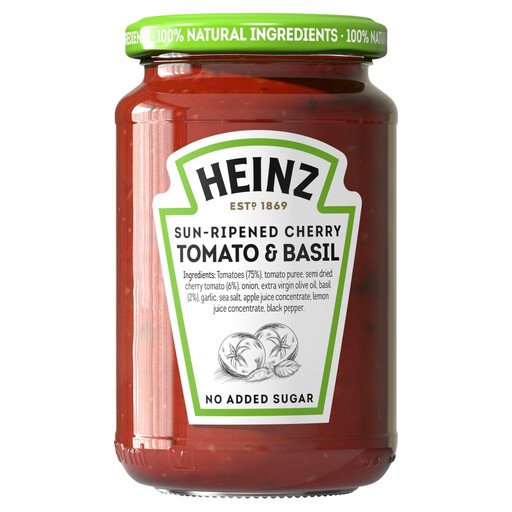
Consider this tomato-and-basil sauce if you want a finished flavour rather than a plain tomato base. Check the pack’s preparation and after-opening directions against your morning routine.
 No image available
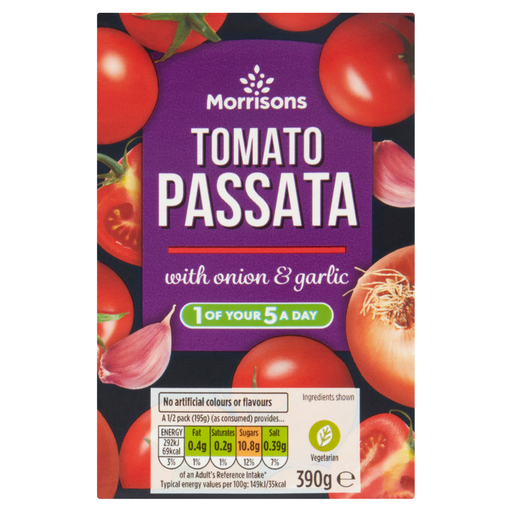
Choose this passata if onion and garlic suit the tomato base you want to build a meal around. Decide what other ingredients you will add rather than treating passata as a finished breakfast sauce.
 No image available
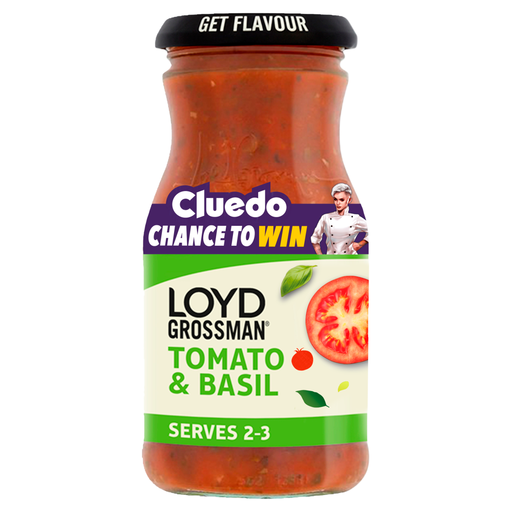
This is another finished tomato-and-basil option to consider when you do not want to season passata. Read the current pack’s allergen statement carefully if dietary suitability affects your choice, and check its preparation directions if time is tight.
 No image available
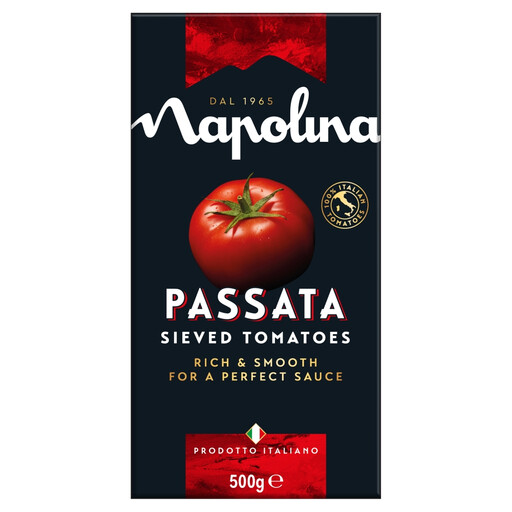
Consider plain tomato passata when you want to decide the seasoning and use the base across different meals. Napolina describes passata as a base, so plan for the ingredients and preparation your breakfast will require.
 No image available
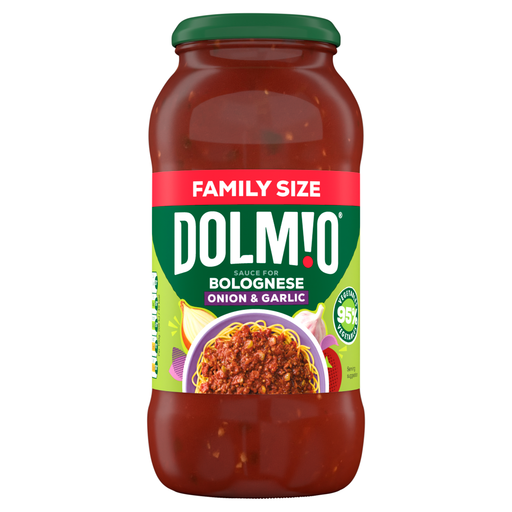
Consider this onion-and-garlic Bolognese sauce if you have a savoury meal planned around a finished sauce. At 675g, the pack is worth matching to the number of meals you expect to make; check its preparation and after-opening instructions.
Treat sauce as one part of the meal rather than the whole breakfast. The NHS Eatwell Guide discusses the balance of foods across a day or week, not a requirement to fit every food group into each meal. Choose the other foods you want alongside the sauce, such as a starchy base, beans, eggs or vegetables.
Start with salt per 100g so that different pack sizes are comparable, then consider how much sauce you will actually use. NHS food-label guidance describes more than 1.5g of salt per 100g as high and 0.3g or less per 100g as low.
Follow the instruction on the exact pack and refrigerate it where directed. The cited M&S and Sainsbury’s products specify three days, Asda says its cited jar is best within seven days, and Tesco specifies up to 14 days for its cited tomato-and-basil sauce. Those periods do not apply to every sauce from those brands.
Do not infer allergy suitability from a vegan or tomato-based description alone. Marks & Spencer marks its cited vegan tomato-and-basil sauce unsuitable for people with milk or egg allergy. Check the ingredients and allergen information on the exact current pack before choosing it for someone with an allergy.