Cooking tonight
If you want few preparation steps, compare a chilled ready-made sauce with a jar or stir-in pot. Check whether the sauce needs heating and what else you need to make the meal.


Choose a chilled, ready-made sauce when you plan to cook soon and can fit the pack’s date and refrigeration instructions into your meal plan. A jar or stir-in sauce suits cupboard-based planning, while passata gives you control over seasoning but needs more preparation. For any format, check the exact pack’s ingredients, allergens and storage directions.
If you want few preparation steps, compare a chilled ready-made sauce with a jar or stir-in pot. Check whether the sauce needs heating and what else you need to make the meal.
If you are shopping for a small household, match the pack’s servings, date and storage instructions to the meals you actually expect to cook.
If seasoning and texture matter more than speed, passata provides a tomato base. Napolina describes its passata as an ingredient for pasta sauce; M&S also suggests freezing part of a homemade tomato-sauce batch.
Decide whether you need a finished sauce or a base to cook with, then match its storage and serving details to your plans.
Choose when: You plan to cook soon and want a prepared sauce to heat and serve with pasta.
Allow for: Fridge space and the date and storage instructions on the individual pack.
Choose when: Cupboard-based planning and quick meal assembly matter to you; Dolmio says its Tomato and Basil Stir In pot can be mixed into hot cooked pasta without heating the sauce separately.
Allow for: The pasta still needs cooking, and directions differ between finished sauces.
Choose when: You want to decide how to season a tomato base or prepare a larger batch.
Allow for: Extra ingredients and cooking time before it becomes the sauce you want to serve.
| Concern | What to check | Who this matters to |
|---|---|---|
| Preparation | Check whether the sauce is ready to heat, can be stirred into hot pasta, or needs cooking as a base. | When dinner needs to come together with few steps, I want to know what I must do before serving. About 33% of consumers put minimal preparation first. |
| Storage and portions | Compare the stated servings with your meal plan; check the pack date and refrigeration instructions. | If I am cooking for one or two, an unused portion and a short date could disrupt the next meal. For about 27% of consumers, fitting the sauce to their storage and meal plan is the primary concern. |
| Recipe control | Decide whether you want a seasoned sauce or a tomato base to cook and season yourself. | When I have time to cook, I may want to choose the seasoning and texture rather than use a finished sauce. Roughly 20% of consumers make that recipe control their first priority. |
| Dietary suitability | Read the ingredients and allergen information for the exact variant; do not rely on its flavour name or a shop filter alone. | If I need to avoid an ingredient, the particular pack matters more than whether the sauce looks tomato-based. Confirming dietary suitability comes first for about 20% of consumers. |
Chilled prepared sauces, stir-in pots and passata involve different preparation steps. The word alone will not tell you whether the product is ready to serve with cooked pasta.
Choose the format first, then compare flavour, servings and storage instructions.
A chilled pack may not fit a meal postponed until later in the week. Sainsbury’s describes several of its chilled sauces as having a typical life of seven days, but the date on the pack you receive is the one to check.
Plan when you will use it and follow its refrigeration instructions. Food Standards Agency guidance described in its 2021 review permits freezing pre-packed food up to its use-by date; check the product’s own freezing directions too.
An unused pack can go to waste if plans slip beyond its use-by date.
Fresh-sauce ranges also include cheese, mascarpone and pesto options. A tomato-led name does not establish whether a particular variant meets your dietary requirements.
Check the current ingredients and allergen declaration on the exact pack. Use dietary filters to narrow a search, not as a substitute for its label.
Napolina describes passata as a base ingredient for pasta sauce, not a fully seasoned finished sauce. Turning it into your preferred dish takes more preparation.
If time is short, check the directions on a finished sauce. Choose passata when you have time to cook and want to set the seasoning yourself.
Dolmio offers ready-to-use pasta sauces, including stir-in pots.
Napolina’s tomato passata is a base for shoppers who want to make their own sauce.
Tesco Groceries lists chilled pasta sauces as well as cupboard pasta-sauce options.
Sainsbury’s Groceries lists chilled pasta sauces, including a 350 g tomato and mascarpone sauce marked as serving two.
M&S presents fresh pasta sauces across tomato, pesto and cheese styles.
These selections include finished sauces and pesto for convenient pasta meals, plus passata for cooking a tomato sauce to your own recipe.
 No image available
For a pasta meal using a finished tomato, mascarpone and Grana Padano sauce. Heat it and stir it into cooked pasta; refrigerate after opening and use within two days. It contains milk and egg, so check the current label if either matters to you.
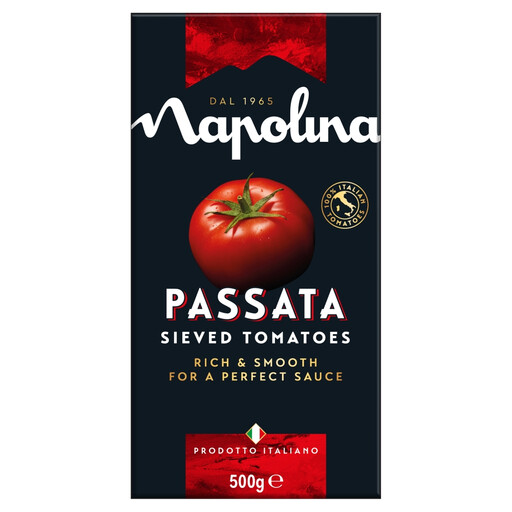 No image available
For cooking and seasoning a tomato sauce yourself, rather than serving a finished sauce straight from the pack. This 500 g smooth passata needs the preparation your recipe calls for; refrigerate after opening and use within two days.
 No image available
For a pasta meal using a finished tomato sauce with chilli. Heat the 400 g sauce and serve it with pasta; refrigerate after opening and use within five days. Its allergen information includes a may-contain statement for milk and nuts, so check the current pack if relevant.
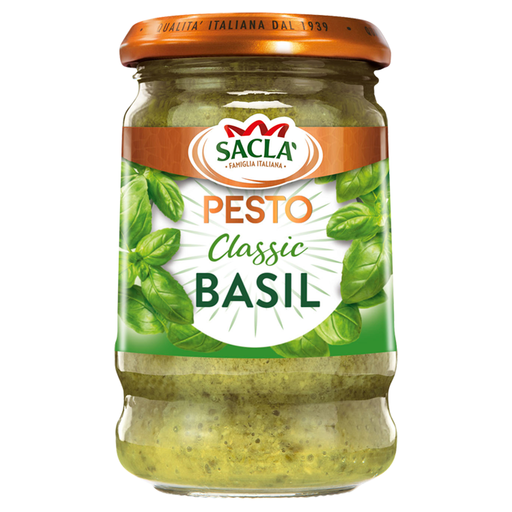 No image available
For stirring basil pesto through pasta rather than making a tomato sauce. The jar is 190 g and contains milk and cashew nuts. Check its unopened storage directions and servings on the current pack when planning meals.
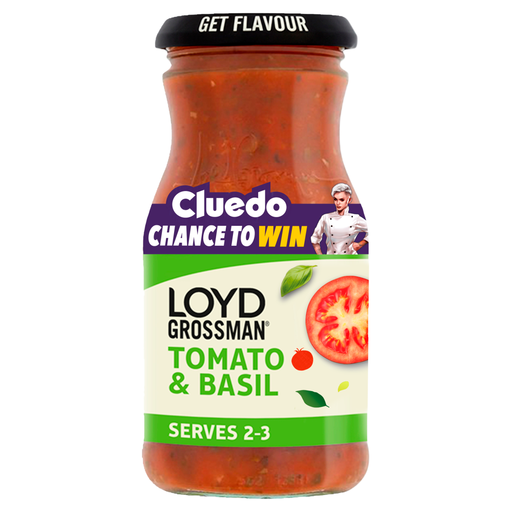 No image available
For a pasta meal using a finished tomato-and-basil sauce. The jar is 350 g; refrigerate after opening and use within three days. Product details give conflicting allergen information, so confirm the current pack label before buying, particularly if you need to avoid an allergen.
No. Choose chilled sauce if you can accommodate its refrigeration and pack date and want a prepared accompaniment for a meal soon. A jar or stir-in format may fit cupboard-based planning, while passata makes sense when you want to cook and season your own sauce.
Food Standards Agency guidance described in its 2021 review permits freezing pre-packed food up to its use-by date and advises consuming it within 24 hours of defrosting. Follow any more specific directions on your sauce’s pack; freezing does not make a passed use-by date acceptable.
Yes. A tomato-led name does not establish the ingredients of a particular variant. The Food Standards Agency states that UK food businesses must provide information about the presence of 14 allergenic ingredients; read the current label for the sauce you intend to buy.
Match the stated servings and the date on the actual pack to when you will cook, then follow its storage directions. Sainsbury’s lists some chilled 350 g sauces as serving two with a typical life of seven days, but that listing does not replace the date on the individual pack.