Breakfast managers adding a hot pasta dish
Managers planning pasta, pasta bake or a brunch dish need a sauce format that fits the dish and the staff available during service.


Buy pasta sauce for a hotel breakfast buffet only if the menu deliberately includes a hot pasta or baked-pasta dish. A finished jar reduces sauce preparation; tinned tomatoes give a kitchen with a standard recipe a base for making its own. Either route also needs a workable plan for hot holding and allergen information during service.
Managers planning pasta, pasta bake or a brunch dish need a sauce format that fits the dish and the staff available during service.
A kitchen with a standard recipe can use tinned chopped tomatoes as a base, including where the same ingredient has a role in other planned dishes.
For a self-service hot dish, the team needs to plan how it will hold and replenish food and provide accurate allergen information. Food Standards Agency caterer guidance addresses hot holding.
Establish the pasta dish and likely portions before comparing a finished jar with a tomato base that still needs cooking. If the dish will be served hot on a buffet, Food Standards Agency caterer guidance calls for suitable equipment to keep hot food at 63°C or above.
| Concern | What to check | Who this matters to |
|---|---|---|
| Menu fit and preparation | Confirm the planned dish and whether staff need a finished sauce or can cook one from a base. | If I am serving pasta at breakfast, I need a sauce the team can prepare consistently during service; about 42% of consumers put menu fit and preparation simplicity first. |
| Finished-portion value and flexibility | Compare portions from the finished dish, including ingredients and work needed to turn tomatoes into sauce. | When my kitchen makes sauce for several planned dishes, I need a base that works with a repeatable recipe; roughly 33% of consumers prioritise ingredient flexibility and finished-portion value. |
| Hot holding and allergens | Check suitable hot-holding equipment and keep a current ingredient and allergen record for the complete dish. | For a self-service hot dish, I need to maintain the holding temperature and communicate its allergens; about 25% of consumers put these controls first. |
Even an inexpensive sauce has no clear menu role if the hotel has not planned a pasta or brunch dish.
Set the dish, expected covers, service period and portion size before choosing a pack format.
Chopped tomatoes are an ingredient base, whereas a Bolognese jar is a prepared sauce. The kitchen must account for the work and added ingredients needed to produce comparable finished portions.
Compare both routes using the intended recipe and finished-portion yield.
Making sauce from tomatoes also takes preparation time and recipe control during batch cooking.
Food Standards Agency caterer guidance distinguishes cooking or reheating from keeping prepared food hot on display.
Cook or reheat the dish through the kitchen's approved process before transferring it to suitable, preheated hot-holding equipment.
Ingredients can differ by product and recipe, so an earlier listing is not a substitute for the current specification of the sauce used in the dish.
Check the exact product's current ingredients and allergen declaration alongside the complete buffet recipe before service.
Tesco Groceries lists 500g own-label Bolognese jars as examples of a finished-sauce format.
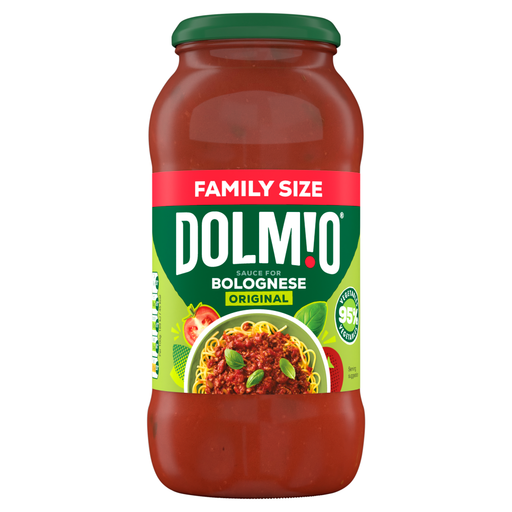
Dolmio Original Bolognese is a prepared pasta-sauce line; the 450g and 675g variants are distinct packs.
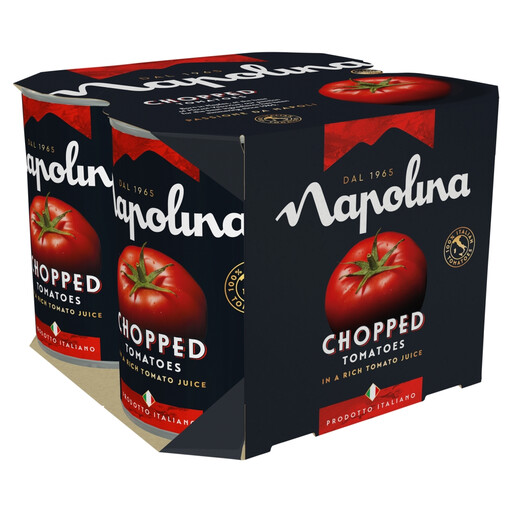
Napolina Chopped Tomatoes 4 x 400g is a tinned base for a kitchen making its own sauce, not a finished Bolognese sauce.
These finished sauces, pasta-bake sauce and chopped-tomato bases are options to consider once a pasta or baked-pasta dish has a defined place on the breakfast or brunch menu. Compare them by the recipe and service process you intend to use.
 No image available
Consider this finished sauce for a planned pasta dish when the kitchen would rather use a prepared sauce than make one from tomatoes. The jar is 675g; confirm portions for the hotel's recipe and how the cooked dish will be held during service.
 No image available
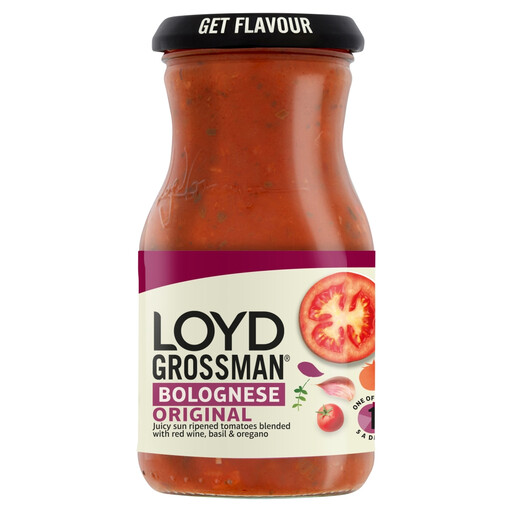
This 350g finished Bolognese sauce is an option for a planned pasta dish where a smaller jar suits the kitchen's trial or batch plan. Establish the actual portions from the intended recipe and check the current ingredients and allergens for this exact product.
 No image available
Use this four-tin pack as a tomato base if the kitchen has a recipe and time to make its own sauce. Joybuy lists chopped tomatoes in tomato juice with citric acid, not a finished seasoned pasta sauce. For this product, its storage directions say to transfer opened contents to a non-metallic container, cover, refrigerate and use within two days.
 No image available
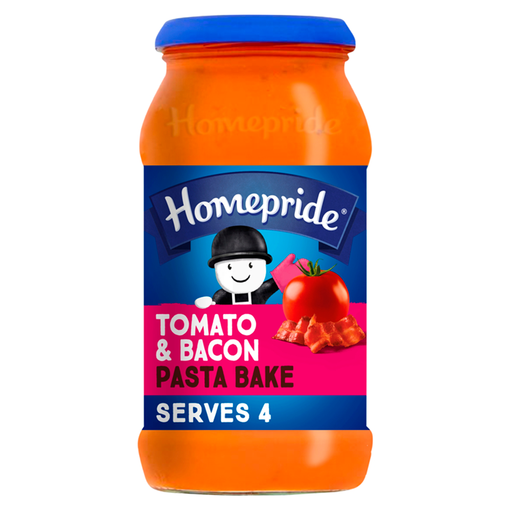
Consider this 485g sauce only for a planned baked-pasta dish rather than treating it as a ready-to-serve sauce for any buffet item. Its bacon variant needs to fit the intended menu; check the current ingredients, complete dish recipe and service process.
 No image available
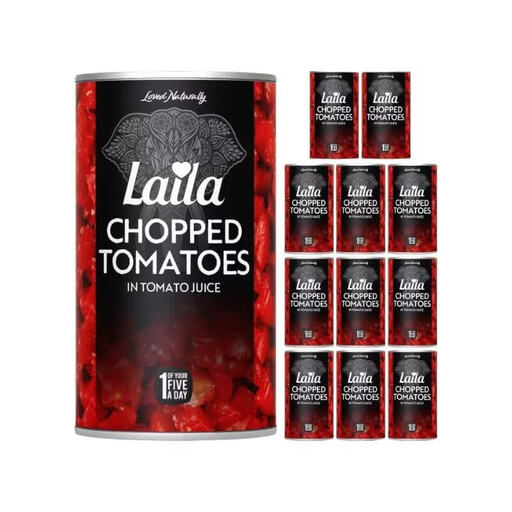
This 12 x 400g chopped-tomato pack is a base for a kitchen preparing its own pasta sauce, not a finished seasoned sauce. Check the batch recipe, preparation time and usable portions before deciding whether this pack format suits the planned dish.
Yes, if it is part of a planned dish and the hotel can serve it safely. Food Standards Agency caterer guidance says hot food on display should be kept at 63°C or above using suitable hot-holding equipment.
No. Food Standards Agency caterer guidance says hot-holding equipment is for keeping food hot, not cooking or reheating it. Cook or reheat the dish through the kitchen's approved process before transferring it to preheated holding equipment.
The Food Standards Agency states that businesses selling non-prepacked food must provide information about any of the 14 mandatory allergens present. Check the current supplier specification and the full dish recipe so the information given at the buffet reflects what is served.
For this specific product, Joybuy's storage directions say to transfer opened contents to a non-metallic container, cover, refrigerate and use within two days. Follow the directions for the exact product in use rather than applying this instruction to every sauce or tin.