Older adults limiting added sugar
A no-added-sugar tomato sauce may fit this preference, but its total sugars and the portion served still need checking. Sainsbury’s and Tesco list sugars in sauces bearing a no-added-sugar claim.


For an older person seeking less added sugar, compare the sauce’s total sugars and salt for the portion actually served; a no-added-sugar label does not mean sugar-free. If appetite is poor or weight is falling, the suitability of the whole meal and individual dietary advice may matter more than choosing the lowest-sugar jar.
A no-added-sugar tomato sauce may fit this preference, but its total sugars and the portion served still need checking. Sainsbury’s and Tesco list sugars in sauces bearing a no-added-sugar claim.
When an older person is eating less or losing weight, a sugar claim alone is a poor basis for planning meals. Guidance from Guy’s and St Thomas’ NHS Foundation Trust and the British Dietetic Association emphasises that nutritional needs can differ when intake is poor.
Someone cooking for one or two people can compare jar size, stated portions and storage instructions after opening, so the sauce can be used within the period on its pack.
Start with the older person’s appetite and dietary requirements, then compare labels and choose a jar size that fits the meals you expect to make.
| Concern | What to check | Who this matters to |
|---|---|---|
| Overall intake | Consider energy per portion and what the rest of the meal provides, including protein. | If meals are often left unfinished or weight is falling, getting enough from the whole meal comes before finding the lowest-sugar sauce. About 31% of consumers put overall intake first. |
| Added sugar | Read the claim and ingredients, then compare total sugars per 100g and for the portion served. | When avoiding added sugar is the main aim, I still need to know how much sugar the tomato sauce contains. Around 31% of consumers make added-sugar management their primary concern. |
| Individual dietary needs | Check salt, ingredients and allergen declarations; follow any individual dietary advice. | A prescribed diet or an ingredient to avoid can matter more than the wording on the front of the jar. Roughly 23% of consumers prioritise these dietary checks. |
| Portions and preparation | Compare jar size and post-opening storage instructions; consider texture and flavour preferences. | Cooking small meals is easier when the sauce’s format suits the household and its flavour will be enjoyed. About 15% of consumers put this practical fit first. |
Tomato sauces can contain naturally occurring sugars. The no-added-sugar examples listed by Sainsbury’s, Tesco and Asda still show total sugars on their nutrition panels.
Compare total sugars per 100g, then use the portion you intend to serve when assessing the meal.
For someone struggling to eat enough, a lower-energy substitution may work against an individual nutrition plan. Guy’s and St Thomas’ NHS Foundation Trust discusses small, frequent, higher-energy and higher-protein meals for poor appetite.
If intake is low or weight is falling, seek advice from the relevant healthcare professional before making sugar reduction the main priority.
A sugar claim does not address salt, allergens or a prescribed diet. The retailer-listed sauces in this article have different salt figures per 100g.
Compare labels on the same basis and check the current pack’s ingredients and allergen statement.
Opened-jar instructions differ: Tesco lists 14 days for its 500g no-added-sugar sauce, Sainsbury’s lists seven days for its 500g sauce, and Asda lists three days for the Loyd Grossman 350g sauce.
Match the jar to the number of meals planned and follow its refrigeration and use-by instructions.
Its 500g No Added Sugar Tomato & Hidden Veg sauce is a smooth tomato-and-vegetable option.
Its 500g no-added-sugar tomato, onion and herb sauce offers a vegan option.
Asda lists 350g no-added-sugar Bolognese and tomato-and-chilli cooking sauces from this brand.
Tesco lists a 350g Tomato and Roasted Garlic No Added Sugar Pasta Sauce.
Classic Tomato Everything Sauce is a tomato-sauce comparison point, rather than a no-added-sugar selection.
Napolina offers tomato ingredients and stir-in products for preparing pasta meals.
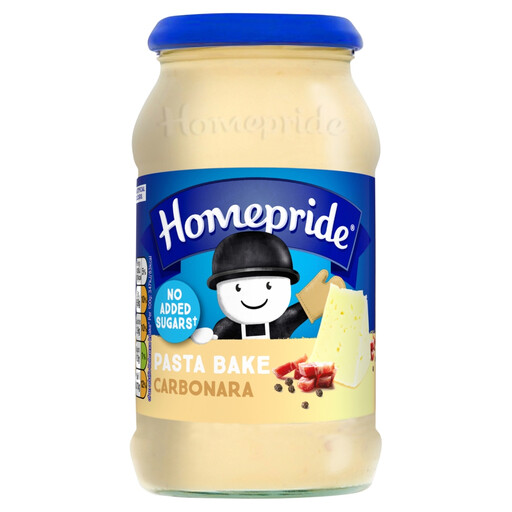
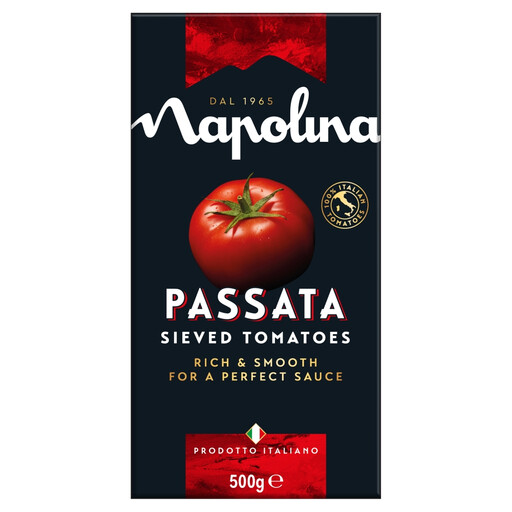
These selections cover a carbonara pasta-bake sauce, a tomato passata for making sauce, and two flavoured pasta sauces. Compare each product’s current label with the older person’s appetite, dietary needs and flavour preferences.
 No image available
Consider this when a carbonara-style pasta bake is wanted rather than a tomato sauce. Check the pack for milk, egg, barley and celery allergens; refrigerate after opening and use within three days.
 No image available
Choose passata if you want a smooth tomato base that you can prepare as a pasta sauce. It is not a fully seasoned ready sauce; check the ingredients and portion used, then refrigerate after opening and use within two days.
 No image available
This tomato-and-cheese sauce is an option when those flavours suit the meal. Check the current no-added-sugar wording alongside the listed apple juice concentrate, and check milk and egg allergens; refrigerate after opening and use within two days.
 No image available
Consider the chilli flavour only if the person eating it enjoys heat. Check the current ingredients if avoiding added sugar is essential, and read the pack’s milk and nuts precaution; refrigerate after opening and use within five days.
No. Sainsbury’s lists 3.9g total sugars per 100g for its No Added Sugar Tomato & Hidden Veg sauce, while Tesco lists 4.5g per 100g for its no-added-sugar sauce. Read the total-sugars figure on the current pack and account for the amount served.
No: if they are eating too little or losing weight, the whole meal and an individual nutrition plan take priority over a sauce claim. Guy’s and St Thomas’ NHS Foundation Trust discusses small, frequent, higher-energy and higher-protein meals for poor appetite; seek individual advice before changing a prescribed diet.
Check the jar size and its instructions after opening. Tesco lists 14 days for its 500g no-added-sugar sauce, Sainsbury’s lists seven days for its 500g sauce, and Asda lists three days for the Loyd Grossman 350g sauce; follow the instructions on the pack you buy.
Do not assess protein intake from the sauce alone: consider what the complete pasta meal provides. Where appetite is low, weight is falling or a medical condition affects eating, ask the relevant healthcare professional about the person’s individual needs.