What matters when choosing?
For a lower-salt pasta lunch, compare sauces on the same per-100g basis before considering your serving size, preparation time and any dietary requirements.
| Concern |
What to check |
Who this matters to |
| Salt in the meal |
Compare salt in g per 100g, then work out the amount in the sauce portion you will use. |
For regular pasta lunches, I want to keep track of the salt my sauce adds to the meal; about 36% of consumers put salt comparison first. |
| Preparation time |
Check how the sauce is prepared and whether its stated serving matches your lunch. |
If lunch must be ready quickly, I need a format that fits the time available without overlooking the portion; about 29% of consumers prioritise speed. |
| Tomato flavour and ingredients |
Compare the ingredients and salt figures of sauces in the style you want. |
I may favour a tomato-based sauce for its flavour but still want to choose between recipes; roughly 21% of consumers make that combination their primary concern. |
| Dietary details and storage |
Read the current allergen and dietary information, plus instructions for storing an opened jar. |
When I split a jar across lunches or need to avoid an allergen, the label must fit those requirements; around 14% of consumers put this information first. |
Joybuy pasta sauces
These Dolmio Bolognese sauces are options for a tomato-based pasta lunch. Compare the current salt label and the portion you plan to serve before choosing one for a lower-salt meal.
 No image available
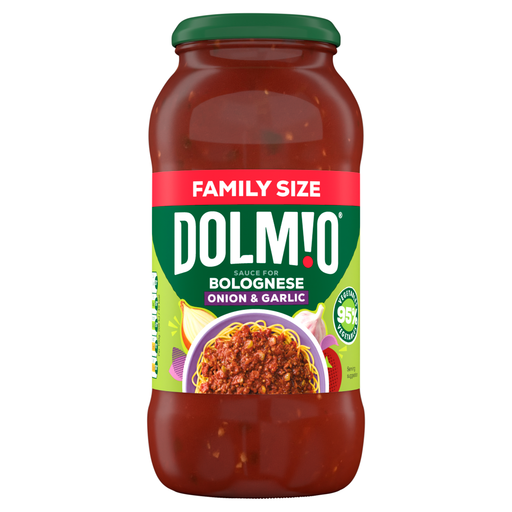
Dolmio Bolognese Onion and Garlic Pasta Sauce 675g
For a pasta lunch with onion-and-garlic Bolognese flavour, this is a 675g sauce to compare against other varieties. Check the current pack's salt per 100g and the amount you will serve; the flavour name is not a reduced-salt claim.
Joybuy
 No image available
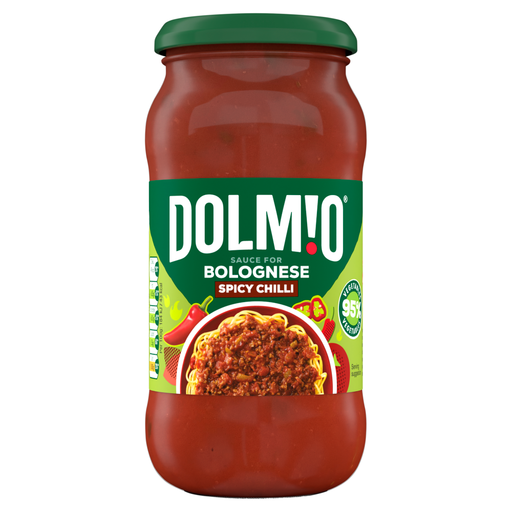
Dolmio Bolognese Spicy Chilli Pasta Sauce 450g
If you want chilli flavour in a Bolognese-style pasta lunch, this sauce comes in a 450g size. Compare its current per-100g salt figure and your intended portion rather than assuming its flavour indicates its salt level.
Joybuy
 No image available
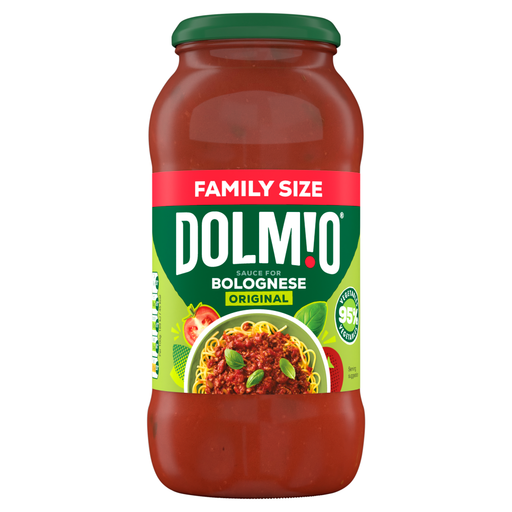
Dolmio Bolognese Original Pasta Sauce 675g
For a Bolognese-style pasta lunch without an added flavour variant in the name, this is a 675g sauce. Read its current salt label and calculate the amount in your serving before deciding whether it fits a lower-salt lunch.
Joybuy
Questions about salt and pasta sauce
How much salt should adults have in a day?
The NHS advises adults to have no more than 6g of salt a day. That includes salt in packaged foods and any added during cooking or at the table; it is general guidance rather than an individual dietary prescription.
How do I compare salt in two pasta sauces?
Compare their salt figures per 100g first, then calculate the salt in the amount you will actually use. A manufacturer's stated portion may differ from yours, so a per-portion figure alone may not describe your lunch.
Where can I find salt information without a traffic-light label?
Check the nutrition panel on the pack. GOV.UK notes that some supermarkets and manufacturers also display nutrition information on the front, so a front-of-pack traffic-light label should not be your only place to look.
Can I use a reduced-sodium salt substitute in pasta?
Check its ingredients and whether it suits your circumstances before using it. North Bristol NHS Trust cautions that some substitutes contain potassium chloride and may not be suitable for people with kidney disease; anyone advised to restrict potassium should ask a clinician or dietitian first.
How long can I keep an opened sauce jar?
Follow the instructions for the particular sauce. M&S says to refrigerate its Eat Well Tomato and Basil Pasta Sauce after opening and use it within three days, while its Daylesford Organic Tomato and Basil Sauce listing gives five days.


