Wholewheat-pasta meal planners
If the wholegrain choice matters to your meal plan, look for wholewheat on the pasta pack rather than assuming a sauce provides it. The NHS lists wholewheat pasta among wholegrain choices.


Choose the wholewheat pasta separately, then select a sauce that suits the meal and its storage plan. The NHS names wholewheat pasta as a wholegrain choice; the sauce listings considered here do not establish wholewheat as a characteristic of the sauce. For cupboard stocking, check each pack’s storage instructions, date mark, ingredients and allergens before relying on it for a future meal.
If the wholegrain choice matters to your meal plan, look for wholewheat on the pasta pack rather than assuming a sauce provides it. The NHS lists wholewheat pasta among wholegrain choices.
If you buy ahead for quick pasta meals, distinguish sauces whose packs permit cupboard storage from chilled products. Check the date mark and what the pack says to do after opening.
If allergens, vegan suitability or a particular recipe matter, read the current product label. Tesco notes that ingredients and allergen details can change, so an older listing is not a substitute for the pack.
For wholewheat-pasta cupboard meals, settle the pasta choice first, then check whether the sauce fits your storage plan and household requirements.
| Concern | What to check | Who this matters to |
|---|---|---|
| Choosing wholewheat pasta | Look for a wholewheat or wholegrain description on the pasta pack; choose the sauce separately by recipe. | If I want wholewheat pasta at the centre of the meal, a sauce name cannot confirm that the pasta I buy meets that aim. About 38% of consumers would put checking the pasta first. |
| Cupboard storage | Read the sauce’s storage instructions and date mark, especially if it is sold chilled or will be kept after opening. | When I stock up for later meals, I need a sauce I can store as planned rather than a chilled pot left in the cupboard. Cupboard suitability would come first for about 37% of consumers. |
| Ingredients and allergens | Check the current ingredient and allergen information, plus any dietary-suitability statement relevant to your household. | If someone in my household needs to avoid an ingredient, the sauce’s current label matters more than a familiar brand or an older listing. About 25% of consumers would make recipe and label fit their primary concern. |
The NHS identifies wholewheat pasta as a wholegrain choice, while the sauce products considered here are described by their recipes or formats. Buying sauce alone does not establish which pasta will be served with it.
Check the pasta pack for wholewheat or wholegrain wording, then choose a sauce whose recipe suits the meal.
Tesco lists tomato-and-basil sauce in its chilled pasta-sauce section. A pasta-sauce label alone does not tell you where a product should be kept.
Follow the storage statement on the particular pack and plan chilled purchases around meals for which you can store them as directed. GOV.UK distinguishes use-by dates, which concern safety, from best-before dates, which concern quality.
A sauce that cannot be stored or used within its labelled conditions may go to waste.
Recipes can change. Tesco cautions that a product’s ingredients and allergen details may change, while GOV.UK says food businesses must provide information about the 14 regulated allergens when they are ingredients.
Read the current pack’s ingredient and allergen information for the specific sauce; do not rely on a previous purchase or an older online listing.
These examples show how pasta and sauce can be listed separately; a brand name alone does not establish storage conditions or dietary suitability for an individual product.
Tesco Groceries lists Dolmio Original Bolognese as a red pasta sauce.
Tesco Groceries lists a Napolina sundried tomato and basil stir-in sauce and, separately, Napolina wholewheat spaghetti.
Tesco Groceries lists own-label pasta sauces in different formats, including a chilled tomato-and-basil sauce, alongside wholewheat spaghetti.
These sauces are options for meals served with separately chosen wholewheat pasta. Their recipes differ, so choose by the dish you intend to make and confirm storage and dietary details on the current pack.
 Image unavailable
Consider this tomato sauce for a pasta meal where a mascarpone and Grana Padano recipe fits your preferences. The jar is 350g; check the current pack if milk or egg ingredients matter to your household, and follow its instructions after opening.
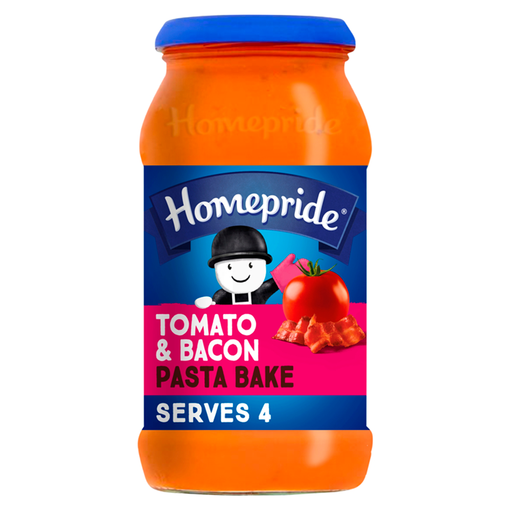 Image unavailable
Choose this 485g sauce if you are planning a pasta bake rather than a simple stirred-through sauce. The bacon recipe makes the current ingredient and allergen label particularly important when checking household dietary requirements.
 Image unavailable
This 400g tomato-and-chilli option suits a pasta meal where you want that flavour combination. If allergens matter, check the current pack, including any precautionary wording about milk or nuts.
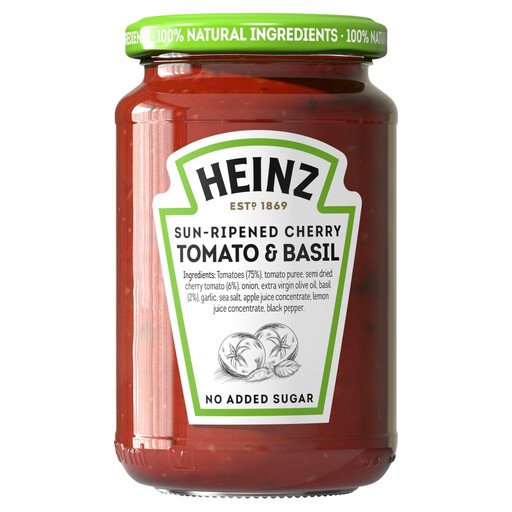 Image unavailable
For a tomato-and-basil pasta meal, this 350g sauce is a different recipe choice from the Heinz mascarpone variant above. Check the current pack for its storage and use instructions, particularly if you expect to keep sauce after opening.
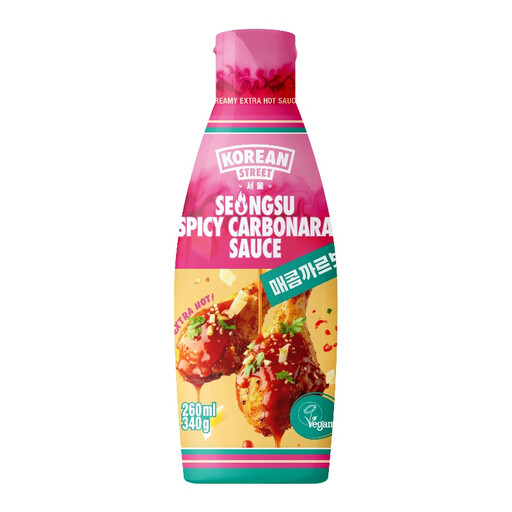 Image unavailable
This 260ml spicy carbonara-style sauce offers a different flavour direction for a pasta meal. Read the current pack’s ingredient and allergen information, and confirm its post-opening storage instructions before adding it to a cupboard-meal plan.
Check the pasta for the wholewheat characteristic, then choose a sauce separately. The NHS names wholewheat pasta as a wholegrain choice, while the pasta and sauce listings considered here are separate products; a sauce name does not confirm the pasta in your meal.
No. GOV.UK explains that a use-by date relates to food safety and a best-before date to quality. Read the particular sauce’s date mark alongside its storage instructions rather than treating either date as a cupboard-storage instruction.
Check the current sauce pack’s ingredient and allergen information for that specific product. GOV.UK says food businesses must provide information about the 14 regulated allergens when they are ingredients in food or drink.
Use a listing to narrow your choice, but check the current pack before use. Tesco warns that reformulation can change ingredients, nutrition and allergen information.