Shoppers comparing sugar labels
If you want a convenient sauce without added sugar, the wording on the front of the pack is only part of the decision. Compare it with the total sugars figure on the nutrition panel.


Choose a ready-to-use no-added-sugar sauce if a quick Bonfire Night supper matters most, but compare sugars per 100g: the claim does not mean the sauce contains no sugar. Choose passata if you want to decide what goes into the finished sauce and have time to season it. A standard prepared sauce can also fit the meal if its current ingredients, nutrition panel and serving size meet your needs.
If you want a convenient sauce without added sugar, the wording on the front of the pack is only part of the decision. Compare it with the total sugars figure on the nutrition panel.
For a quick meal before or after fireworks, a prepared sauce cuts down on sauce-making. Check its stated servings against the number of people eating.
Passata gives you a tomato base to which you can add your own herbs, chilli or other ingredients. Allow time to turn it into a finished sauce.
For a Bonfire Night pasta meal, decide whether preparation time or control over the finished sauce comes first. Then compare labels and quantities within the format you prefer.
Choose it when: You want a finished sauce with that specific label claim and little sauce preparation.
Bear in mind: Tomatoes can contribute naturally occurring sugars, so the claim does not settle a total-sugars comparison.
Choose it when: You want to control the ingredients and seasoning added to a tomato base.
Bear in mind: A base needs preparation before it becomes a seasoned pasta sauce.
Choose it when: A particular prepared flavour suits the meal and its current label meets your requirements.
Bear in mind: Read the ingredients as well as total sugars; a sauce can list sugar as an ingredient.
| Concern | What to check | Who this matters to |
|---|---|---|
| Sugar claims and totals | Read the exact claim and compare “of which sugars” per 100g on products you would serve in similar amounts. | If I am choosing a sauce for its sugar label, I need to know whether the claim describes added ingredients or the total sugars I will eat. About 33% of consumers put understanding that distinction first. |
| Ingredient control | Distinguish a plain tomato base from a seasoned sauce, and consider the preparation it needs. | I would rather add my own seasoning than accept a fixed jar recipe, even if making the sauce takes longer. For about 25% of consumers, control over added ingredients is the primary need. |
| Meal size and speed | Check pack weight, stated servings and whether further cooking or ingredients are required. | When supper needs to be ready around the fireworks, I want enough sauce for everyone without an unexpected cooking step. Getting the quantity and preparation right comes first for about 25% of consumers. |
| Flavour and dietary fit | Read the current ingredients and allergen statement; check whether chilli or another prominent flavour suits the group. | If several people are eating, I need a flavour and ingredient list that work for the table, not just a suitable sugars figure. About 17% of consumers place that fit first. |
A no-added-sugar sauce can still contain naturally occurring sugars from tomatoes. UK legislation published by legislation.gov.uk treats “no added sugar” as a claim about added sugars and ingredients used for sweetening, not a promise of zero total sugars.
Compare the sugars figure per 100g and the amount you intend to serve, then read the ingredients.
Sainsbury's lists the Loyd Grossman No Added Sugar Bolognese 350g sauce as serving 2–3 people. A gathering may need a different quantity.
Check the servings and pack weight of the sauce you actually choose before planning the rest of the meal.
Napolina lists 4.3g sugars per 100g for its passata. Marks & Spencer lists the same figure for its Tomato & Basil Pasta Sauce, while also listing sugar among that sauce's ingredients. The figures alone do not tell you how the sauces were made or whether either suits an allergy.
Use the nutrition panel for total sugars, and separately check the current ingredients and allergen information.
A product listing may not reflect the pack available when you shop, particularly if ingredients or availability change.
Confirm that the sauce is available and read its current pack before buying and serving it.
Tesco Groceries lists Dolmio no-added-sugar prepared sauces, including Tomato & Basil 350g and Bolognese Original 750g.
Sainsbury's lists No Added Sugar Bolognese and Tomato & Chilli sauces in 350g jars.
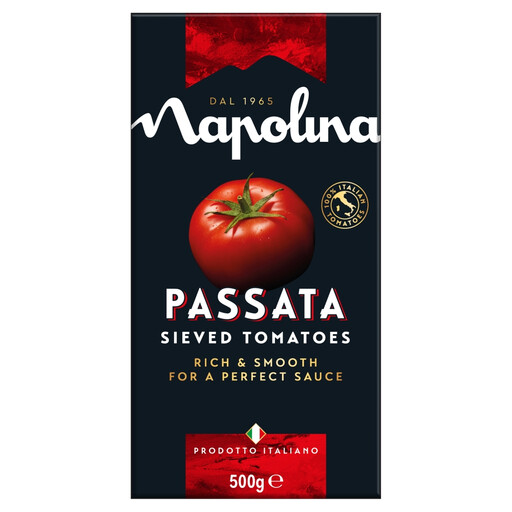
Napolina presents its passata as an ingredient for making pasta sauce and lists 4.3g sugars per 100g for the 500g product.
Tesco Groceries lists a Tesco No Added Sugar Bolognese Pasta Sauce 500g.
Marks & Spencer lists a prepared Tomato & Basil Pasta Sauce with 4.3g sugars per 100g and sugar in its ingredients.
These options span a passata base, a no-added-sugar pasta-bake sauce and two prepared tomato sauces. Choose the format that fits your Bonfire Night cooking time, then check the current label and the quantity needed.
 No image available
Choose this tomato base if you have time to make and season your own pasta sauce. Napolina lists 4.3g sugars per 100g for its passata; it is not a finished sauce, and the finished recipe depends on what you add.
 No image available
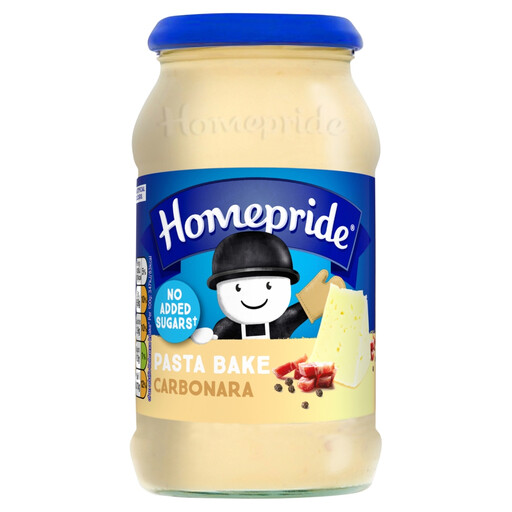
This 485g pasta-bake sauce is an option if you want a carbonara-style meal and are prepared to follow bake instructions rather than simply pour sauce over pasta. Check the current pack for its sugars figure, allergens, cooking steps and how many people it will serve.
 No image available
This 400g prepared sauce suits a meal where tomato and chilli are welcome and making sauce from a base would take too long. Check the current sugars and ingredient information rather than assuming a no-added-sugar claim, and confirm that the jar provides enough servings.
 No image available
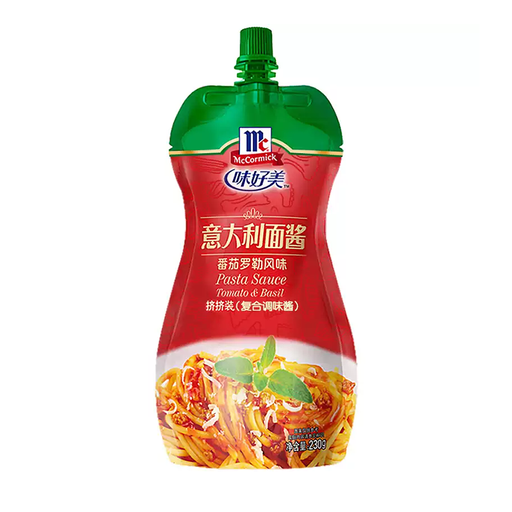
This 230g pouch is a prepared tomato-and-basil option when you want to avoid making a sauce from scratch. If added sweeteners matter to your choice, check the current ingredient list: the supplied product information identifies sugar and high fructose corn syrup. Also check allergens and how many servings the pouch provides.
No. Under the no-added-sugar condition published by legislation.gov.uk, sugars and other foods used for sweetening must not have been added, but naturally occurring sugars can remain. Read the total sugars figure on the pack if that is what you need to compare.
Compare “of which sugars” per 100g on the same basis, then consider how much of each you would serve and what you would add to the passata. Napolina lists 4.3g sugars per 100g for its passata; Sainsbury's lists 4.6g per 100g for Loyd Grossman No Added Sugar Bolognese. Those figures describe the products as listed, not a finished meal made with either one.
Start with the chosen product's stated servings and the number of people eating, rather than assuming every jar feeds the same group. Sainsbury's states that its Loyd Grossman No Added Sugar Bolognese 350g serves 2–3; other sauces may have different guidance.
Follow the storage directions on the sauce you buy. Marks & Spencer says to refrigerate its Tomato & Basil Pasta Sauce after opening and use it within 3 days; do not apply that product-specific instruction to every jar.
Check the current pack's ingredients and allergen statement for the exact sauce before buying and serving it. A familiar flavour name or an older online listing is not a substitute for the label on the product you will use.