Sauce-and-shape planners
If the menu includes several sauces or a sauce-led main, you want to choose shapes for those dishes rather than use the same pasta throughout.


Start with the dishes you plan to make: a ridged or hollow short pasta gives sauce places to settle, while spaghetti provides a long-pasta option for other sauce-led meals. Choose wholewheat or specifically labelled gluten-free pasta according to the diners’ needs, then check the exact pasta and sauce packs for ingredients, allergens, preparation steps and servings.
If the menu includes several sauces or a sauce-led main, you want to choose shapes for those dishes rather than use the same pasta throughout.
You need to decide whether standard wheat pasta, wholewheat pasta or a specifically labelled alternative suits the diners, and check the sauce as well as the pasta.
You want a pasta-and-sauce combination whose preparation steps and stated servings fit the time available and the number of diners.
Settle the planned dishes and any dietary requirements before choosing a sauce format for the time available.
| Concern | What to check | Who this matters to |
|---|---|---|
| Shape and sauce fit | Look at the pasta shape and whether a short shape has ridges or a hollow centre for the planned sauce. | If I am making a dish with a coating or chunky sauce, I want a shape chosen for that dish rather than relying on spaghetti alone. About 31% of consumers put shape and sauce fit first. |
| Wheat, gluten and wholewheat | Check the current ingredients and allergen information on both pasta and sauce; wholewheat is still wheat-based. | When a diner needs a particular formulation, I have to check the exact pasta-and-sauce combination before finalising the menu. Dietary suitability comes first for about 31% of consumers. |
| Preparation and servings | Compare sauce instructions and stated servings: a stir-in pot and a sauce that needs simmering involve different steps. | If supper has to come together quickly, I need to know what happens after the pasta is cooked and whether the sauce serves the group. Roughly 23% of consumers prioritise preparation and serving format. |
| Cupboard and quantity planning | Check pack weight, the product’s portion guidance and storage instructions, then decide whether the menu calls for more than one shape. | For meals planned across more than one day, I want enough pasta without filling the cupboard with a single format I will not use for every dish. About 15% of consumers put cupboard flexibility and quantity first. |
Wholewheat describes the wheat ingredient; it does not make pasta gluten-free. Tesco describes its wholewheat fusilli as made from durum wholewheat semolina.
Where wheat or gluten must be avoided, select a product specifically labelled for that requirement and check the exact pasta and sauce packs.
Dolmio instructs shoppers to stir its Tomato and Basil Stir In sauce into hot pasta without heating it separately, while its reviewed creamy garlic-and-black-pepper jar sauce requires gentle simmering. The creamy sauce contains milk.
Read the preparation, serving and allergen information for the particular sauce before adding it to the menu.
Spaghetti is a long-pasta option, but Tesco describes the hollow centre and ridges of its penne as helping it hold sauce.
If the menu includes dishes needing different shapes, consider stocking a long pasta alongside a ridged or hollow short pasta.
Asda warns that product ingredients and allergy advice can change. That matters when pasta and sauce are being served together.
Use listings to plan the shop, then read the current physical labels before preparing the meal.
A pasta-led range to consider when choosing between standard pasta and a specifically formulated gluten-free option.
A sauce-led range relevant when the preparation method is part of the decision.
An own-brand pasta range with short shapes and wholewheat choices to compare for a varied menu.
A reference point for shoppers considering a shaped pasta for a sauce-led dish.
A retailer range that includes an Italian spaghettoni for shoppers considering a long pasta.
A range to consult when a menu calls for a pasta specifically formulated without wheat.
These pasta shapes and pasta accompaniments offer options for a long-pasta dish, a wholewheat choice, gluten-free lasagne, a pasta bake and a tomato-pesto dish. Choose among them for the meal you have planned, checking the current packs for preparation and dietary details.
 No image available
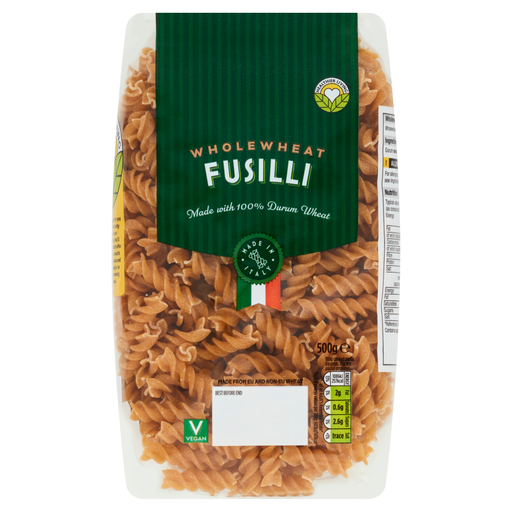
A 500g wholewheat fusilli option when you want a short pasta and wheat is suitable for the diners. Wholewheat is not a substitute for a specifically labelled gluten-free pasta; check the current pack before serving.
 No image available
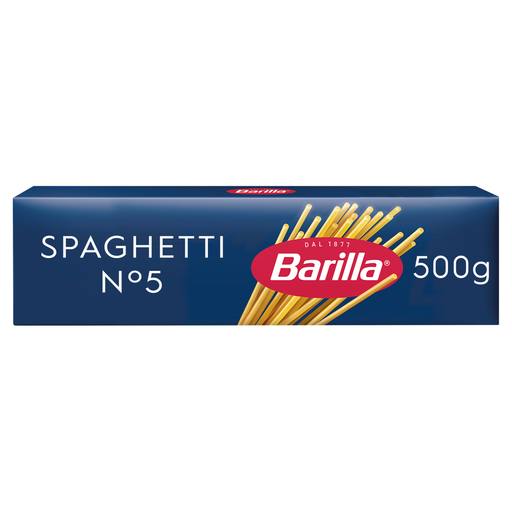
A 500g long-pasta choice for a spaghetti dish or another sauce-led meal. If the menu also includes a dish for which you want a ridged or hollow short shape, plan that pasta separately and check the ingredients of both packs.
 No image available
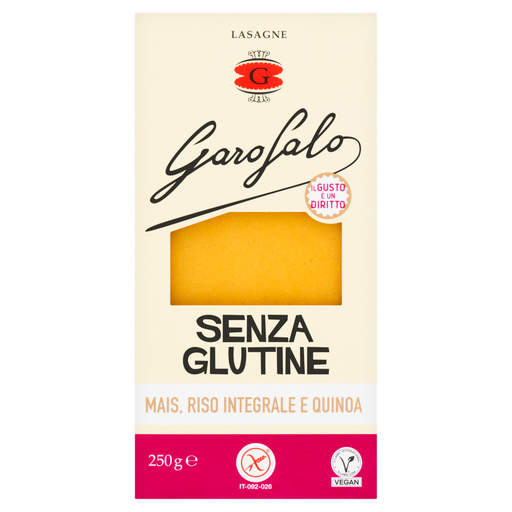
A 250g gluten-free lasagne option for a planned layered pasta dish. Check the current pack for its preparation directions and ingredient and allergen information, and check the other components of the lasagne separately.
 No image available
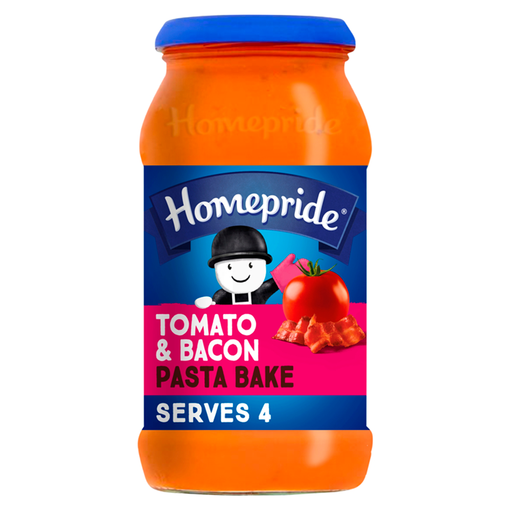
A 485g sauce for a creamy tomato-and-bacon pasta bake rather than a no-heat stir-in dish. Check the pack’s pasta and oven directions before planning the meal, along with its current ingredients and allergens.
 No image available
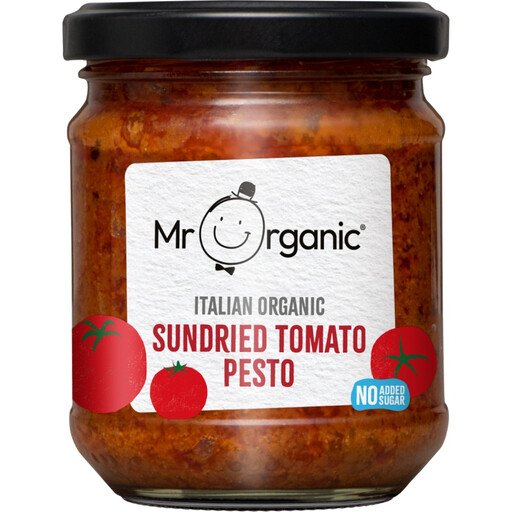
A 190g sundried tomato pesto option for a pasta dish. Check the current pack for preparation, storage and allergen information before deciding whether it fits the menu and how you intend to keep it.
A ridged or hollow short shape is worth considering when you want sauce to settle on the pasta: Tesco describes its penne as having a hollow centre and ridges that hold sauce. Choose the shape for the dish you plan rather than assuming every sauce needs the same pasta.
No. The Tesco wholewheat fusilli described here uses durum wholewheat semolina. If a diner requires wheat-free or gluten-free pasta, look for the appropriate label on the exact product and check the sauce and other meal components too.
Choose by the instructions on the particular sauce and the servings you need. Dolmio says its Tomato and Basil Stir In pot can be mixed into hot pasta without separate heating, whereas its reviewed creamy garlic-and-black-pepper jar sauce needs gentle simmering.
Read the current physical pack’s ingredient and allergen information for both the pasta and the sauce. Asda warns that product information, including allergy advice, can change, so an online listing or a pack used previously should not replace that check.
Follow the chosen pack’s instructions; Barilla advises keeping dried pasta in a cool, dry cupboard or pantry. Check sauce storage directions separately, particularly after opening.