Keep standard dried pasta for flexible tea-time meals when no one eating it needs to avoid wheat or gluten. Wholewheat is another option in a varied diet, while a specifically labelled gluten-free pasta is the relevant choice when gluten must be avoided. For a quicker meal, compare pasta cooking instructions and sauce preparation steps; check every ingredient’s current label and the school’s allergy arrangements before packing leftovers.
Who is choosing?
Parents short on cooking time
If tea needs to follow school or work with little preparation, the pasta’s cooking instructions and the sauce’s preparation steps matter. Dolmio describes its Tomato and Basil Stir In sauce as ready to stir into hot cooked pasta without separate heating.
Families planning school lunches
If pasta leftovers might go to school, check the child’s dietary needs, the labels on the pasta and sauce, and that school’s allergy arrangements before packing them. The Food Standards Agency identifies pasta as a food that may contain gluten-containing cereals.
Families considering wholewheat pasta
Wholewheat may be one way to vary the pasta you keep in the cupboard. Age and the rest of a young child’s diet matter too: the NHS advises against giving only wholegrain foods before age two or only high-fibre foods before age five.
What matters when buying?
Check dietary requirements before choosing a pasta type, then compare the preparation steps that affect tea-time timing.
| Concern |
What to check |
Who this matters to |
| Preparation time |
Read the pasta’s cooking instructions and whether the sauce needs heating. Dolmio says its Tomato and Basil Stir In sauce can go straight into hot cooked pasta. |
If tea needs to be on the table with few preparation steps, cooking and sauce instructions come first. About 40% of consumers would make speed and low effort their primary concern. |
| Allergens and school food |
Check the exact pasta and sauce labels for relevant allergens. If packing food for school, check that school’s allergy arrangements. |
When a child needs to avoid gluten or pasta leftovers may go to school, I need to know what is in every part of the meal. About 30% of consumers would put allergen suitability and school arrangements first. |
| Wholewheat and age |
Check whether the pasta is wholewheat and consider it alongside the child’s age and usual variety of foods. The NHS advises against an exclusively wholegrain diet before age two or an exclusively high-fibre diet before age five. |
I may want wholewheat in the family rotation without making it every pasta meal, particularly for a younger child. Around 30% of consumers would make fibre and age-related variety their main consideration. |
What is easy to overlook?
-
Assuming every pasta suits a gluten-free diet
The Food Standards Agency identifies pasta as a possible source of gluten-containing cereals. A suitable pasta does not establish that its sauce or toppings are suitable too.
When gluten must be avoided, choose pasta explicitly labelled gluten-free and check the current label of each accompanying ingredient.
-
Making every pasta meal wholewheat
Wholewheat is not an automatic choice for every age. The NHS advises against giving only wholegrain foods before age two or only high-fibre foods before age five.
Keep variety in a young child’s meals rather than replacing every pasta option with wholewheat.
-
Choosing sauce by preparation time alone
A stir-in sauce can remove a separate heating step, but ingredients, allergens, serving sizes and salt information vary between products.
Compare the labels of the exact sauces you are considering, including nutrition per stated serving and the amount you plan to use.
-
Assuming school food arrangements are the same everywhere
A pasta meal served at home and one packed for school may call for different checks. The school’s own allergy arrangements matter when food is brought from home.
Read the current guidance from the child’s school before packing pasta, sauce or leftovers.
Brands to consider
Dolmio
A sauce option for pasta meals when preparation steps are a priority.
- Dolmio says its Tomato and Basil Stir In pot can be stirred into hot cooked pasta without separate heating.
- That instruction applies to the named pot, not every Dolmio sauce; check the chosen variant’s ingredients and preparation directions.
Barilla
Offers distinct wholewheat and gluten-free pasta ranges.
- Barilla describes its Whole Wheat Penne Rigate as made with 100% whole wheat and its gluten-free range as using corn and rice.
- Wholewheat pasta is not a gluten-free choice. Check the specific variant when an ingredient must be avoided.
Tesco
An own-label range with standard, wholewheat and Free From dried-pasta options.
- Tesco labels its Free From Spaghetti gluten-free, wheat-free and egg-free.
- Those declarations describe that spaghetti, not every Tesco pasta or a sauce served with it.
M&S
Offers several pasta types, including wholewheat and Made Without options.
- Marks & Spencer describes its Made Without Penne as made from maize and rice flour.
- Check the current pack for the exact variant’s ingredients, allergens and storage instructions.
Joybuy pasta selections
These dried-pasta options cover a wholewheat shape for family meals and gluten-free lasagne for recipes that call for sheets. Compare their formats with the meal you intend to cook.
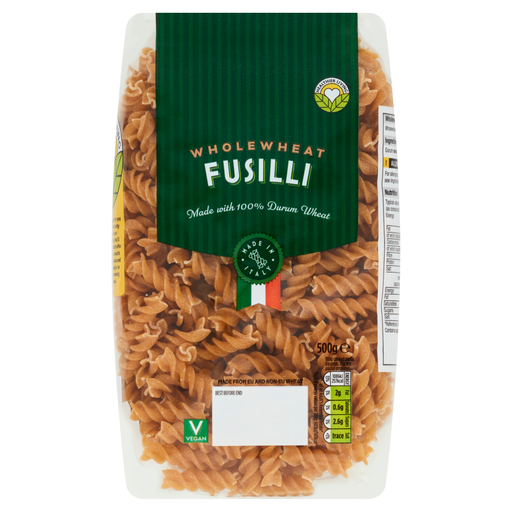 Image unavailable
Morrisons Wholewheat Fusilli 500g
A wholewheat fusilli option for families including this pasta type in a varied rotation. The pack is 500g; wholewheat pasta is not suitable when gluten must be avoided. Check the pack’s cooking instructions when planning tea-time timing.
View on Joybuy
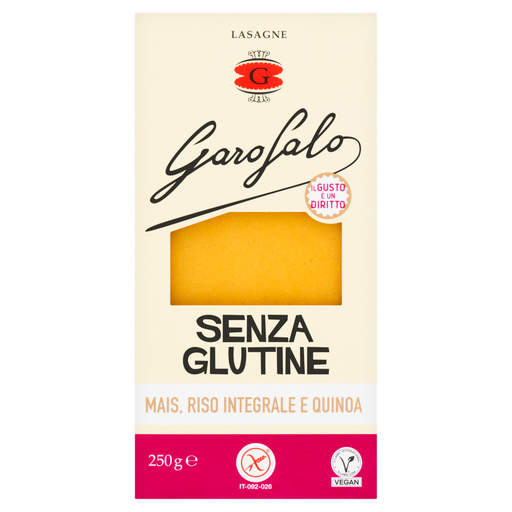 Image unavailable
Garofalo Gluten Free Lasagne 250g
A gluten-free lasagne option when the planned meal calls for sheets rather than a small pasta shape. The pack is 250g. Check its current gluten-free and allergen information, the cooking directions, and the labels on any sauce or other ingredients.
View on Joybuy
Common questions
Does ordinary dried pasta contain gluten?
Wheat-based dried pasta contains gluten. The Food Standards Agency identifies pasta as a food in which gluten-containing cereals may be found; read the exact ingredients and allergen declaration because pasta alternatives differ.
Can I pack pasta for a school lunch?
Check the child’s dietary needs and the school’s current allergy arrangements before packing it. A sauce or topping needs its own ingredient check, even if the pasta itself meets the child’s requirements.
Should every pasta meal for a young child use wholewheat pasta?
No. The NHS advises against giving only wholegrain foods before age two or only high-fibre foods before age five. Wholewheat can be one option alongside other foods rather than the only pasta kept in the cupboard.
How should I store dried pasta?
Follow the storage instructions on the chosen pack. Marks & Spencer instructs shoppers to keep its Made Without Penne in a cool, dry place out of direct sunlight; if you transfer pasta to a container, keep its date and allergen information available.


