What matters when buying?
Choose the meal format you will use, then compare salt per 100g on similar products and check the amount in your intended portion. The NHS describes 0.3g salt or less per 100g as low; that figure describes the labelled food, not a pasta meal after sauce and cooking salt have been added.
| Concern |
What to check |
Who this matters to |
| Control over added salt |
Compare salt per 100g on the pasta and tomato base; confirm any no-added-salt wording on the exact tin. |
When I can cook a sauce, I want to choose its seasoning rather than rely on a prepared recipe. About 50% of consumers put control over added salt first. |
| Cupboard flexibility |
Check pack size, salt per serving and the storage instructions for an opened sauce. |
If I am stocking up for several pasta meals, I need packs I can use and store as directed. For about 30% of consumers, that flexibility is the primary concern. |
| A quick meal |
Read the ready meal's salt per whole portion and its heating instructions. |
On a busy first-shop day, I may need a meal that takes little preparation, but I still want to know the salt in the full pouch. Speed is the main need for about 20% of consumers. |
Plain pasta options on Joybuy
These dried pasta packs suit a first shop built around choosing the sauce or tomato base separately. Check the current pasta label and the salt in any accompaniment; the packs below are not complete meals.
 No image available
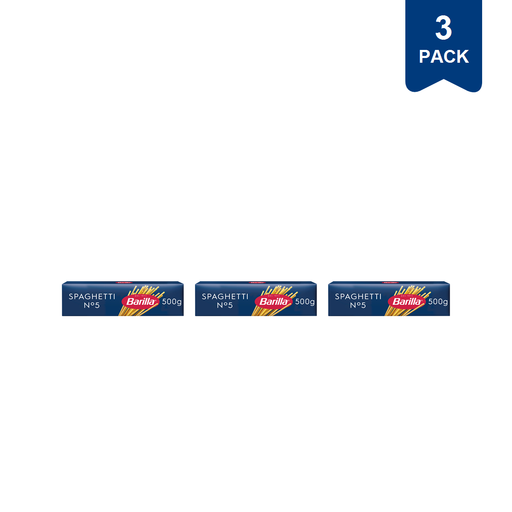
Barilla Spaghetti 500g, 3 packs
For stocking several plain-pasta meals in a first food shop. This is a three-pack of 500g spaghetti; choose the sauce separately and check its salt label.
View on Joybuy
 No image available
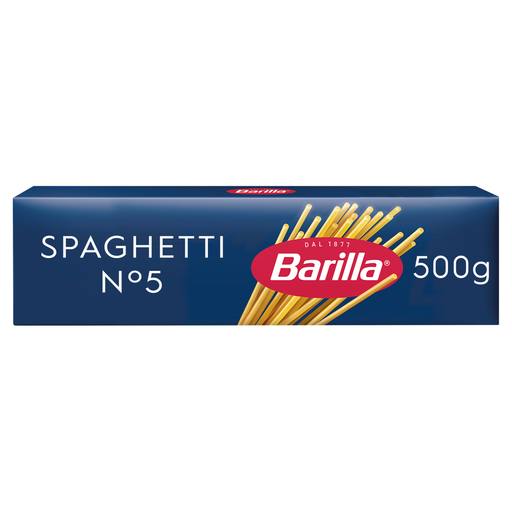
Barilla Spaghetti 500g
For trying a single pack of plain spaghetti before deciding what else to stock. Pair it with a sauce or tomato base whose salt panel you have checked.
View on Joybuy
 No image available
Napolina Spaghetti 500g
Another plain spaghetti pack for a cupboard meal with a separately chosen sauce. Check the pack for cooking instructions and compare its salt panel on the same basis as other pasta.
View on Joybuy
 No image available
Morrisons Fusilli 500g
For a first-shop cupboard that includes fusilli rather than only spaghetti. If you need a precise salt comparison, check the current pack for a numeric per-100g figure.
View on Joybuy
 No image available
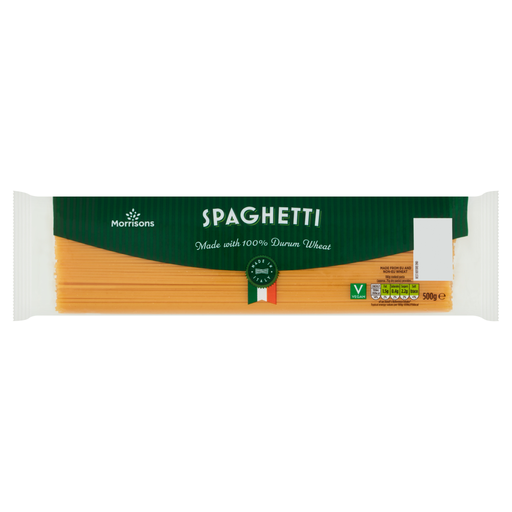
Morrisons Spaghetti 500g
A plain spaghetti pack to combine with a separately selected tomato base or sauce. Check the current pack for a numeric salt figure if you want to compare it precisely with other dried pasta.
View on Joybuy
Common questions
What counts as low salt on a pasta product label?
The NHS describes 0.3g salt or less per 100g as low, and more than 1.5g per 100g as high. Compare similar foods per 100g, then check the labelled serving and the amount you plan to use.
Should I focus on the pasta or the sauce?
Check both, but do not assume the dry pasta figure represents the finished dish. Barilla lists 0.013g salt per 100g for its dry Fusilli N°98, whereas Tesco lists 0.64g per 100g for its No Added Sugar Bolognese Pasta Sauce; the amount of sauce and any salt added during cooking also affect your meal.
Does “no added sugar” mean a pasta sauce has less salt?
No: the claims concern different parts of the nutrition label. Tesco's No Added Sugar Bolognese Pasta Sauce lists 0.64g salt per 100g, so compare its salt line separately.
What allergen information should I check?
Read the ingredients and allergen information for each exact pasta and sauce product. GOV.UK guidance says food businesses must provide allergen information; recipes can differ, so do not carry an ingredient check over from one product to another.
How long can I keep an opened pasta sauce?
Follow the instructions on the exact pack. Tesco says to refrigerate its No Added Sugar Bolognese Pasta Sauce after opening and consume it within 14 days, while Marks & Spencer says to refrigerate its Tomato and Basil Pasta Sauce and use it within 3 days.


