
24/7 Customer Support

Free returns

Same-day & Next-day Delivery

Quality Guaranteed

Unlock Your Welcome Offers: FREE Delivery | Up to 80% OFF | Free 30-day JoyPlus trial
Download the APP
Navigating the world of pastel art supplies can feel overwhelming. With so many options available—from soft sticks and hard chalks to pencils and markers—it’s often difficult to know where to begin. Whether you are a seasoned artist, a dedicated hobbyist or someone exploring creative calligraphy, choosing the right medium is key to bringing your vision to life.
This guide is designed to cut through the clutter. As the Joybuy Product Recommendation Officer, my role is to provide clear, practical information to help you select the pastel drawing materials that best suit your projects and artistic style. We will explore the different types of pastels, highlight some standout products and answer common questions to make your shopping journey simpler.
Before diving into specific products, a few key considerations can help narrow down your search. Thinking about your intended use and desired effect will ensure you invest in tools that you will genuinely enjoy using.
The term "pastel" covers a range of products, each with distinct characteristics:
The ideal pastel depends entirely on your creative goals. If you are working on a large, expressive piece, the broad coverage and superior blending of soft pastels might be the most suitable choice. For detailed botanical illustrations or portraiture, the fine point of a pastel pencil allows for much greater accuracy. For bullet journaling or modern lettering, the clean application of a marker is often preferred.
If you are new to pastels, starting with an artist pastels set is a practical way to experiment with a wide palette without a significant initial investment. These sets provide a curated range of colours to help you understand how they work together. Once you discover your favourite shades and medium, you can supplement your collection with individual sticks or pencils as needed.
Based on their features, application and user feedback, here are a few recommendations that cater to different artistic needs.
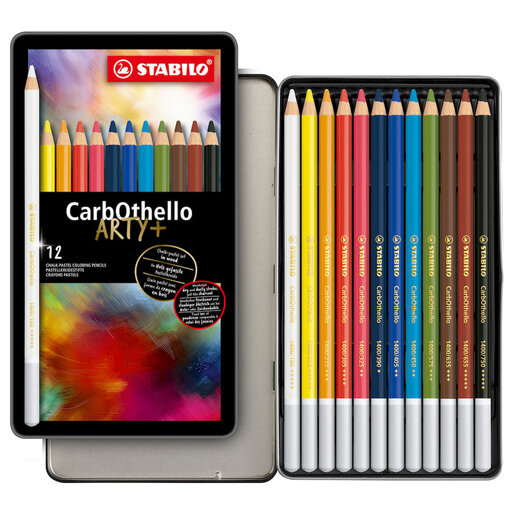
Why It Stands Out: The STABILO CarbOthello pencils successfully bridge the gap between drawing and painting. They deliver a dry, dusty stroke characteristic of chalk pastels but are encased in a wooden shaft for superior control and less mess. Their high pigmentation ensures brilliant colour, and the lead can be sharpened to a fine point for detailed work. A key feature is that these are blendable pastels and are also partially water-soluble, allowing you to create watercolour-like effects with a brush and water.
Pros:
Who is it for: Artists, illustrators and students who require the precision of a pencil for detailed work but want the soft, blendable texture of a traditional pastel.
View STABILO CarbOthello Pencils on Joybuy
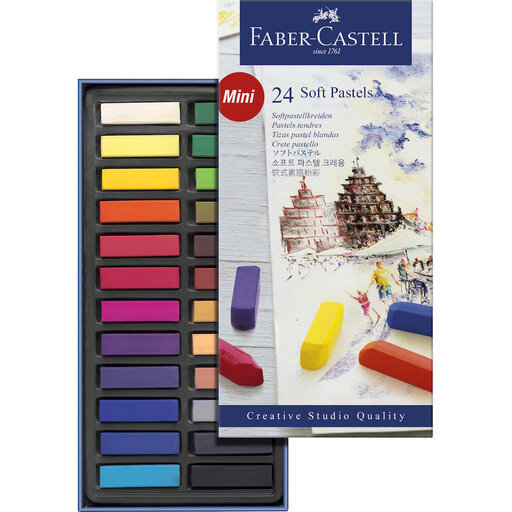
Why It Stands Out: These half-stick soft pastels from Faber-Castell are formulated for artists who love rich, expressive colour. Their composition provides an exceptionally soft, velvety texture that glides across paper, making it easy to lay down intense colour and blend shades seamlessly. The half-stick format is an economical choice, offering a wide range of 24 colours in a compact wallet, perfect for both studio use and creating on the go.
Pros:
Who is it for: Artists and hobbyists who prioritise bold colour and smooth blending for expressive artworks, from landscapes to abstract compositions.
View Faber-Castell Soft Pastels on Joybuy
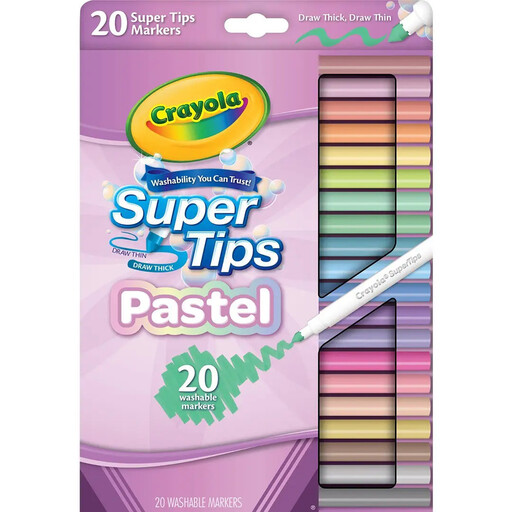
Why It Stands Out: For those seeking the gentle tones of pastels without the dust, the Crayola Supertips Pastel Edition is an excellent choice. These markers are designed for versatility, featuring a conical tip that can create both fine 1mm lines and broad 4mm strokes. This makes them suitable for everything from detailed colouring to bold lettering. The ink is washable from skin and most fabrics, making them a practical option for creative projects at home or in the classroom.
Pros:
Who is it for: Crafters, bullet journal enthusiasts, calligraphers and families looking for a clean, easy-to-use, and versatile pastel-coloured tool.
View Crayola Pastel Supertips on Joybuy
If you are particularly drawn to the clean application and vibrant hues of markers and pens, our selection extends beyond these recommendations. Explore a wider variety of options to find the perfect set for your lettering, journaling or illustration needs.
The main difference lies in the ratio of pigment to binder. Soft pastels have a higher pigment concentration and less binder, making them softer, richer in colour and easier to blend. This also makes them more fragile and dusty. Chalk pastels, especially in pencil form, contain more binder, which makes them harder, less messy and better for creating sharp lines and details.
Yes, certain types of pastels are well-suited for it. Pastel markers are a popular choice for modern calligraphy and hand-lettering due to their controlled ink flow and clean lines. Sharpened pastel pencils for artists can also be used to create beautiful, soft-textured lettering that offers a different aesthetic from traditional ink.
Paper with a textured surface, often called "tooth," is ideal for working with pastels. The texture grabs and holds the fine pastel particles. Look for papers specifically labelled for pastel use. However, other good options include heavyweight drawing paper, textured watercolour paper and even sanded papers for different artistic effects.