Weekly meal-prep cook
You make several portions of pea purée for later meals. Usable capacity matters, as does a plan for dividing and cooling the finished batch.


For several portions of pea purée, start with a blender whose usable fill level fits your usual cooked batch, rather than choosing by the jug’s total size alone. A food-processor-and-blender combination makes more sense if you will also use its other preparation functions; a smaller jug may be enough if your batches are modest. Blend peas while hot only when the exact model’s instructions permit it, and follow its fill and venting directions.
You make several portions of pea purée for later meals. Usable capacity matters, as does a plan for dividing and cooling the finished batch.
You want to prepare more than one portion but have limited worktop or cupboard space. A smaller vessel may be easier to accommodate if you can accept more than one blending run for a larger batch.
You make pea purée alongside dishes that involve chopping, slicing or grating. A food processor with a blender is worth considering if you will use those functions enough to justify storing the extra parts.
Check usable capacity against your usual batch, then decide whether hot-ingredient instructions and extra preparation functions affect how you will cook.
| Concern | What to check | Who this matters to |
|---|---|---|
| Batch capacity | Compare the working or maximum-liquid fill with your cooked batch; check the minimum fill too. | I want several portions from one blend without overfilling the jug. Around 42% of consumers would put batch capacity first. |
| Texture and hot use | Look for the controls you want, and check the exact manual before blending hot peas. | If I want to adjust the purée’s texture or blend it straight after cooking, I need controls and clear hot-use instructions. Roughly 33% of consumers would make this their primary concern. |
| Storage and other tasks | Check dimensions, cleaning instructions and whether you will use any processor attachments. | A machine has to fit my kitchen, and extra parts are worthwhile only if I use them for other prep. About 25% of consumers would prioritise storage and multi-use needs. |
A jug may hold less liquid in use than its headline capacity suggests. Nutribullet UK gives the Power Core a 2.1L pitcher but a 2L maximum liquid fill.
Plan your batch around the marked working or maximum-liquid level, not the rim of the jug.
Nutribullet UK advises against mixtures below the Power Core’s 500ml minimum fill line. A large vessel therefore may not suit an occasional single serving.
Check minimum-fill guidance against your smallest usual portion, or plan to prepare and store several portions at once.
Hot use depends on the model’s instructions, including its lid, venting and fill limits. Wattage alone does not establish permission to blend peas straight from the pan.
Read the exact manual before adding hot ingredients; if it does not permit that use, let the peas cool before blending.
A large quantity takes longer to cool. GOV.UK and Food Standards Scotland advise against leaving cooked food at room temperature for more than one to two hours.
Divide the purée into smaller containers and refrigerate it promptly, or freeze portions for later use.
The Power Core is a full-size jug-blender example for cooks making several portions at once.
The BN800UK combines a multi-serve blender jug with a food processor for cooks who also prepare other ingredients.
The Blend-X Fresh BLP41.A0CT is a jug-blender example to compare when a smaller working capacity suits your batches.
These choices include a multi-serve blender and processor, smaller blender options, and a food processor with a listed purée function. Compare the vessel you would actually use for pea purée with your batch size; a processor-bowl capacity is not a blender-jug capacity.
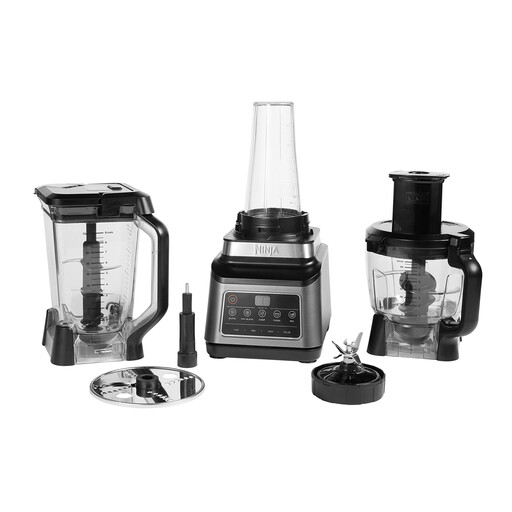 No image available
Consider this if you want to blend several portions and use a separate processor for other meal prep. The listing specifies a 2.1L jug, 1.8L processor bowl, 700ml cup and a Puree programme. It says not to process hot liquids, so cool cooked peas before blending.
 No image available
Consider this if both blending and food processing belong in your weekly cooking. The product title distinguishes a 2L bowl and a 1.8L capacity; check the blender vessel’s working-fill marking against your batch. Consult the exact manual before blending hot peas.
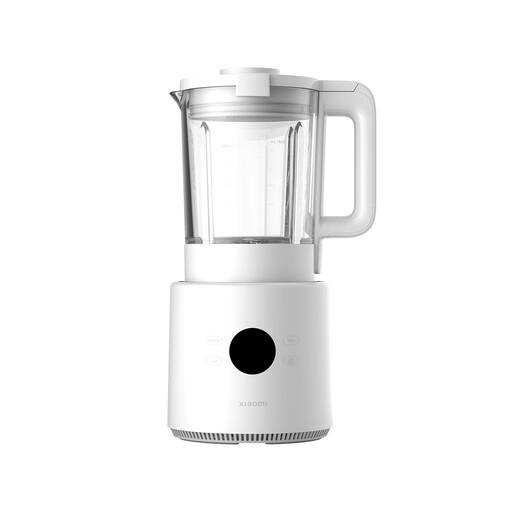 No image available
Consider this blender if its vessel and controls suit the portions you normally prepare. Before choosing it for pea purée, check the exact instructions for usable fill and whether cooked peas may be blended while hot; a hot-drink setting does not answer that question by itself.
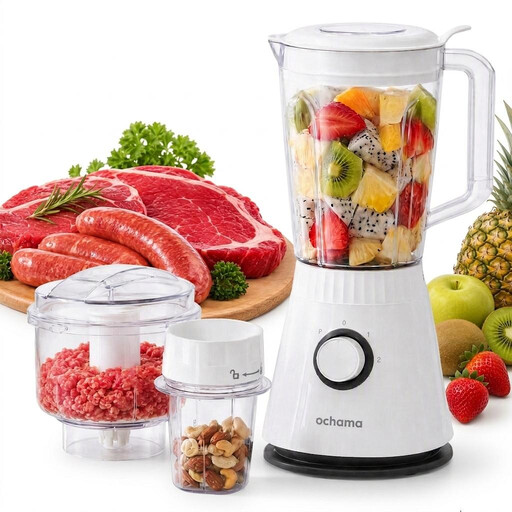 No image available
The stated 1.5L size is worth considering for modest batches if you are willing to make another run when needed. The title lists three speed settings; check the working-fill level and hot-ingredient instructions before preparing your usual batch.
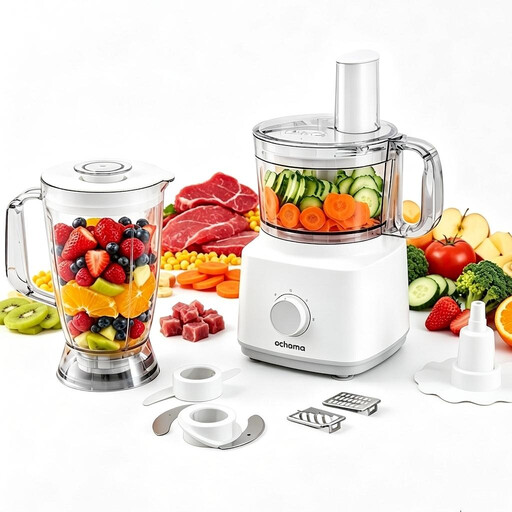 No image available
Consider this if you want to prepare pea purée alongside chopping, slicing or grating. Its stated 1.8L capacity belongs to the processor rather than an established separate blender jug; check which vessel the instructions specify for purée, its usable fill and its hot-ingredient guidance.
Choose a usable capacity that holds your normal cooked batch below its fill line. Nutribullet UK specifies a 2.1L total pitcher but a 2L maximum liquid fill for the Power Core; Kenwood GB gives the Blend-X Fresh BLP41.A0CT a 1.5L working liquid capacity. The larger jug also has a 500ml minimum fill, so consider your smallest portions as well.
Yes, but only in a model whose instructions expressly permit hot blending, and only as directed. Nutribullet UK gives hot-soup instructions for the Power Core, including keeping its lid vents clear and starting on LOW; those instructions do not apply to other models. If your blender does not permit hot ingredients, cool the peas before blending.
Divide it into smaller containers and refrigerate it promptly rather than leaving one large batch to cool on the worktop. GOV.UK guidance for England, Northern Ireland and Wales and Food Standards Scotland’s consumer advice both call for cooked food to be chilled within one to two hours. Freeze portions you will not use soon.
Follow the NHS’s baby-food handling advice as well as the blender’s instructions. The NHS advises cooling batch-cooked food ideally within one to two hours, refrigerating or freezing it, using refrigerated portions within two days, reheating prepared food only once until steaming hot throughout, then letting it cool to a safe serving temperature. Discard half-eaten portions.