
24/7 Customer Support

Free returns

Same-day & Next-day Delivery

Quality Guaranteed

Unlock Your Welcome Offers: FREE Delivery | Up to 80% OFF | Free 30-day JoyPlus trial
Download the APP
A peach oolong tea drink can be a convenient alternative to fizzy drinks, fruit juice or a hot brew. However, attractive packaging and phrases such as “natural”, “light” or “zero calorie” do not always tell you everything needed to make a sensible purchase.
For UK shoppers, the main differences usually come down to sugar content, tea type, serving size, ingredients and pack format. Whether you are buying a single bottle for a commute or a peach tea multipack for the office, checking the label first can help you avoid paying for a drink that does not match your preferences.
A ready-to-drink peach tea may contain peach juice, peach concentrate, flavouring or a combination of these. These ingredients are not interchangeable. For example, a product can have a strong peach taste while containing only a small percentage of peach juice.
Check the ingredients list for the order of components and look for a declared juice percentage. Nestlé Peach Clear Oolong, for instance, lists concentrated apple and peach juice with a stated fruit juice content of at least 5%. Other drinks may rely primarily on flavourings.
A drink described as refreshing, light or balanced may still contain added sugar. POCAS Sweet Popping Boba Peach Oolong Tea Drink provides 43 kcal and 10g of sugars per 100ml. Because the bottle is 490ml, the amount per bottle is considerably higher than the per-100ml figure suggests.
By contrast, a sugar-free peach tea may use sweeteners instead. TEAZLE’s peach oolong drink is marketed as zero calorie and sugar-free, but shoppers should still check the current packaging for the full sweetener and ingredient information.
A 500ml PET bottle may suit a long journey, while a 190ml pouch or bottle can be more practical for a lunchbox. Multipacks may offer convenience, but only if you have enough storage space and expect to drink the same flavour regularly.
Also check whether the drink should be refrigerated after opening and consumed promptly. Carbonated drinks, milk teas and juice-based beverages can have different storage instructions.
Nutrition panels in the UK are generally displayed per 100ml, making products easier to compare. For a more realistic view, multiply the per-100ml figure by the total volume.
Examples include:
A zero-calorie iced tea may be suitable for shoppers limiting sugar, but check whether it contains sweeteners such as sucralose or acesulfame-based ingredients and read any relevant warnings.
Oolong tea tends to have a fuller, more aromatic profile than a simple fruit drink. Black tea can offer a stronger, more familiar iced-tea taste, while green tea may taste lighter and more delicate.
Look for the specific tea listed in the ingredients:
Tea content can vary significantly, so a product with a prominent tea name on the front may still contain only a small proportion of tea extract. The ingredients list provides a clearer comparison.
Consider when and where you will drink it. A 230ml or 250ml bottle can suit portion-controlled refreshment, while a 450ml or 500ml bottle is more convenient for commuting, study sessions or outdoor use. A 15-bottle case can reduce the need for repeat purchases, but it may be less suitable if you are still deciding which flavour you prefer.
For dietary requirements, check the complete label rather than relying only on front-of-pack wording. Some products contain milk, while others may have allergen cross-contact statements. Pouch drinks may also include peach as an allergen declaration. The product label supplied with your order should always take priority, as formulations and packaging can change.

Why This Fits Their Persona: A single 490ml bottle offers a straightforward way to try a peach oolong blend, with popping boba adding a chewy texture for shoppers who enjoy K-food-inspired drinks.
Its nutrition information clearly states 43 kcal and 10g of sugars per 100ml, helping prevent the assumption that a fruity tea is automatically low in sugar.
490ml ready-to-drink format; includes 8% popping boba and peach squash juice listed in the ingredients.

Why This Fits Their Persona: Suitable for shoppers seeking a Korean ready-to-drink tea with peach and oolong character, without added sugar according to the product description.
The product is positioned specifically as sugar-free and zero calorie, rather than leaving shoppers to infer its nutrition from terms such as “light” or “refreshing”.
500ml PET bottle; vegan-friendly product description; peach and oolong flavour combination.
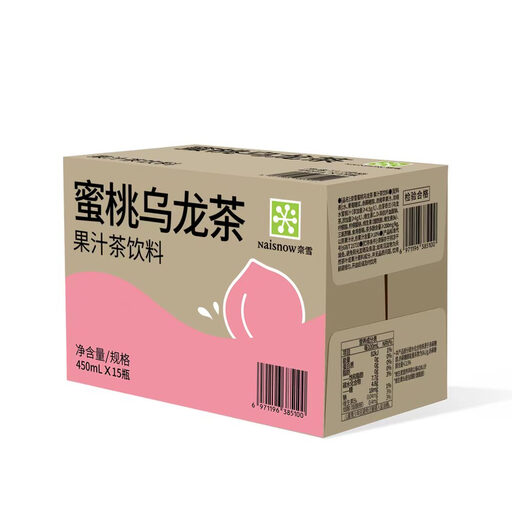
Why This Fits Their Persona: The 15-bottle case is practical for offices, shared households, student accommodation or regular commuters who already know they enjoy peach fruit tea.
The listing gives per-100ml energy and sugar information, plus the total quantity, making it easier to assess the case before ordering.
450ml individual bottles; 20 kcal and 4.8g sugars per 100ml; oolong tea and concentrated peach juice listed.
We have compiled a complete, real-time list of products that fully satisfy these strict selection criteria and UK safety regulations.
Most bottled products are ready to drink and can be served chilled. Follow the storage instructions on the packaging, particularly after opening. Shake gently when advised, but avoid vigorous shaking with carbonated drinks.
The answer depends on the product and serving size. TEAZLE Peach Oolong is described as zero calorie and sugar-free, while NAYUKI lists 20 kcal per 100ml and KAYTEA lists 14 kcal per 100ml. Always compare the latest nutrition panel rather than relying on the product name.
It can fit into a varied diet, but sugar levels differ considerably between products. For regular consumption, compare sugars per 100ml, serving size and sweetener information. If you need to avoid caffeine, check the label because tea-based drinks may contain naturally occurring caffeine.