
24/7 全天候客户支持

免费退货

当日/次日达

品质保障

开启新人专享福利: 全场免邮 | 低至 2 折 | 免费试用 30 天 JoyPlus 会员
下载 Joybuy
For many UK fitness enthusiasts and health-conscious individuals, peanut butter protein products are a go-to for fuelling workouts and satisfying cravings. Whether it's a convenient bar, a versatile powder or a rich spread, the combination of nutty flavour and muscle-supporting protein is hard to beat.
However, the market is flooded with options, and not all are created equal. It's easy to fall into common purchasing traps that can undermine your health goals and waste your money. Before you add that next jar or box to your basket, let's look at the pitfalls to avoid.
To make a smart choice, you need to look beyond the front-of-pack claims. By analysing a few core parameters, you can ensure the product aligns with your fitness and dietary needs.
A truly effective protein product offers a significant amount of protein without an excessive number of calories. A good rule of thumb for a snack is to look for at least 10 grams of protein for every 150-200 calories. For a dedicated chocolate peanut protein powder, you'd expect a much higher ratio. Always check the 'per 100g' and 'per serving' columns on the nutritional table to get a clear picture of what you're consuming. This helps you identify genuinely low sugar protein snacks that prioritise protein content.
The shorter the ingredient list, the better. Look for products where peanuts are the first ingredient.
The right format depends entirely on your daily routine and goals.
To help you navigate the options, we've matched some products to different user profiles, highlighting how they address the common pitfalls.
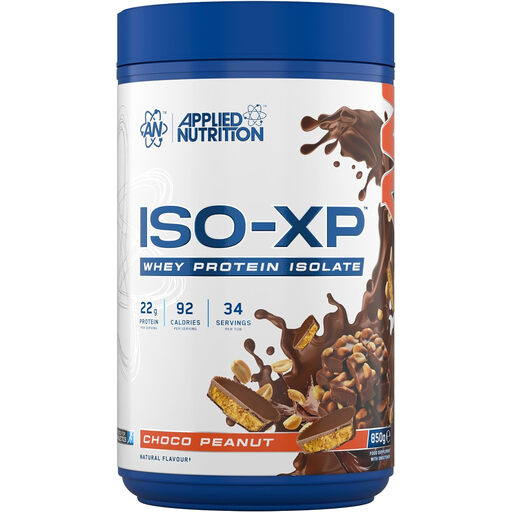
Why This Fits Their Persona: For those who track every gram, this whey isolate powder is designed for maximum protein purity. It's ideal for post-workout shakes where the goal is rapid muscle repair without consuming unnecessary fats or sugars.
It directly counters the "High Protein Illusion" by offering an exceptional protein-to-calorie ratio. With 90g of protein per 100g and less than 1g of sugar, there are no hidden nutritional compromises.
Extremely low in sugar and fat (less than 1g per serving). Uses sunflower lecithin for smooth mixing, avoiding the gritty texture of some powders.
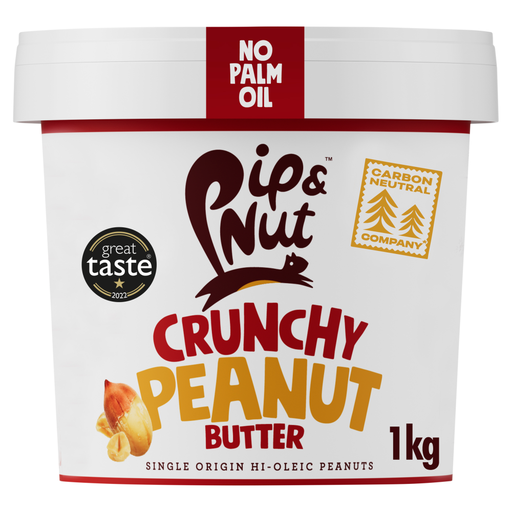
Why This Fits Their Persona: For those who prioritise clean eating, this crunchy peanut butter is the perfect choice. It's a natural, versatile base for creating your own healthy peanut snacks UK style, without any unwanted extras.
This product completely sidesteps the "Hidden Additives Trap." The ingredient list is as simple as it gets: Argentinian hi-oleic peanuts (99.4%) and a sprinkle of sea salt. No palm oil, no sugar, no emulsifiers.
Naturally high in protein (27g per 100g) and made with high-oleic peanuts. The 1kg tub offers excellent value for regular users.
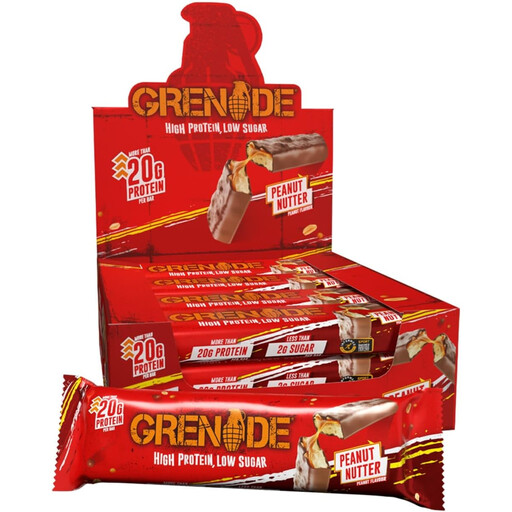
Why This Fits Their Persona: For those needing a substantial, convenient and great-tasting snack, this bar delivers. It's designed to feel like a confectionery treat while still providing a solid 20g of protein, making it a satisfying choice for busy days.
It tackles the "Taste & Texture Disappointment" head-on. With a layered texture including a soft core, crunchy peanuts and a chocolate coating, it avoids the dry, chalky feel of less-developed protein bars.
High protein (20g per bar) with very low sugar (1.7g per bar). The triple milk protein blend supports effective muscle maintenance.
We have compiled a complete, real-time list of products that fully satisfy these strict selection criteria and UK safety regulations.
While standard peanut butter is already a good source of protein (around 24-27g per 100g), products marketed as high protein peanut butter are often fortified with additional protein, such as whey or pea protein, to push this figure above 30g per 100g. Always compare the protein content against the ingredient list to see where the extra protein is coming from.
Most peanut protein bars are designed as a convenient snack to supplement your diet, not to replace a whole, balanced meal. While they can help manage hunger between meals or provide a quick post-workout boost, they typically lack the full range of micronutrients and fibre found in a complete meal.
Yes, peanut protein powder is an excellent ingredient for baking. It can be used to boost the protein content of pancakes, muffins, brownies or homemade energy balls. It can absorb more liquid than regular flour, so you may need to adjust the wet ingredients in your recipe. It's a great way to make your favourite treats more macro-friendly.