
24/7 Customer Support

Free returns

Same-day & Next-day Delivery

Quality Guaranteed

Unlock Your Welcome Offers: FREE Delivery | Up to 80% OFF | Free 30-day JoyPlus trial
Download the APP
From a quick spread on morning toast to a key ingredient in savoury sauces, peanut butter is a staple in many UK kitchens. Yet, the supermarket aisle and online stores present a dizzying array of choices. Navigating the labels can feel like a chore, with many jars making bold claims that don't always stand up to scrutiny. As a Joybuy Product Recommendation Officer, my role is to help you see past the marketing jargon and choose a product that genuinely fits your needs and budget.
Before you add a jar to your basket, let's look at a few common pitfalls that can lead to a disappointing purchase.
To make an informed choice, focus on a few key parameters rather than the marketing slogans. These details will tell you everything you need to know about the quality and suitability of the peanut butter.
The most important factor is the ingredient list. For the purest experience, look for products that contain just one ingredient: peanuts.
The debate between smooth peanut butter and crunchy peanut butter is a matter of personal preference. Smooth varieties are excellent for sauces and baking, while crunchy options add texture to toast and porridge.
Beyond this, consider the roast. Some brands use hi-oleic peanuts, which are known for their naturally sweeter flavour and beneficial fat profile. The roast level—from light to dark—also significantly impacts the final taste, creating flavour notes that can range from mild and creamy to deep and intense.
Not all peanut spreads are designed for your morning toast. For those exploring Asian cuisine, a sesame peanut paste is an essential pantry item. These blends are specifically formulated for culinary applications like hot pot dipping sauces, dressings for cold noodles or marinades. They offer a different flavour profile, often richer and more savoury than standard peanut butter.
To help you find the right match, we've selected a few products that align with different needs and preferences, all of which steer clear of the common pitfalls.

Why This Fits Their Persona: This spread is for those who scrutinise labels. It's crafted for a discerning palate, using single-estate hi-oleic peanuts for a richer, slightly sweeter flavour profile without any added sugar or palm oil. It's perfect for drizzling on porridge or pairing with fresh fruit.
It directly counters the "Healthy Label Trap" with a transparent, minimal ingredient list: 99.1% hi-oleic peanuts and 0.9% sea salt. There are no hidden sugars or palm oil.
Made from naturally sweeter hi-oleic peanuts. Blended in small batches for an exceptionally smooth and creamy texture.
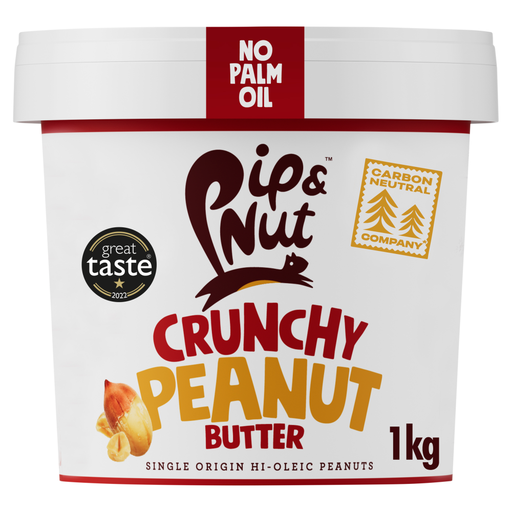
Why This Fits Their Persona: For households that get through peanut butter quickly, this 1kg tub is a game-changer. It provides excellent value without sacrificing quality, making it ideal for families, athletes or anyone who uses it daily in smoothies, bakes and sandwiches.
This product directly solves the "Value Illusion" by offering a bulk size that significantly lowers the cost-per-serving. It's also a no palm oil product with simple ingredients.
Excellent value for money in a 1kg format. Made with hi-oleic peanuts and contains no palm oil, making it a high-quality choice for everyday use.

Why This Fits Their Persona: This is not your typical breakfast spread. It's a traditional blended sauce for the home cook looking to create authentic Asian dishes. Its rich, aromatic flavour is perfect for making dipping sauces for hot pot, dressing noodles or creating savoury marinades.
This product has a clear, specific purpose, avoiding the pitfall of buying a standard peanut butter and being disappointed with the result in a recipe. It's a purpose-built culinary ingredient.
An authentic blend of sesame and peanuts with a smooth texture and rich aroma. Extremely simple ingredients with no additives.
We have compiled a complete, real-time list of products that fully satisfy these strict selection criteria and UK safety regulations.
Oil separation is a positive sign. It indicates that your peanut butter is free from added emulsifiers like palm oil or hydrogenated fats, which are typically used to keep the product mixed. Simply give it a good stir with a knife or spoon to recombine the natural peanut oil with the solid peanut paste, and it will be ready to enjoy.
The vast majority of peanut butters are vegan, as the core ingredients are just peanuts, oil and salt. However, it is always wise to check the label. Some speciality or confectionary-style products may occasionally include non-vegan ingredients like honey or milk derivatives (often found in peanut butter cups or chocolate-swirled varieties). A 100% peanut butter is always a safe vegan choice.
You certainly can, and many people do. However, for a more authentic and complex flavour profile, a dedicated sesame peanut paste is often preferable. These blends provide the nutty depth of peanuts combined with the rich, toasty notes of sesame, which is a cornerstone of many Asian sauces and dressings.