
24/7 Customer Support

Free returns

Same-day & Next-day Delivery

Quality Guaranteed

Unlock Your Welcome Offers: FREE Delivery | Up to 80% OFF | Free 30-day JoyPlus trial
Download the APP
Peanut butter can be a convenient source of protein and a versatile cupboard staple, but the jar that looks appealing on the front may not match your dietary preferences or everyday use. Sugar, palm oil, added salt, texture and pack size can all affect value and suitability.
Before buying, watch for three common pitfalls:
Ingredients are listed by weight, so a product made primarily from peanuts should show peanuts near the beginning. For example, Whole Earth Smooth Peanut Butter lists roasted peanuts as its sole ingredient, while Pip & Nut Crunchy Peanut Butter contains 99.4% Argentinian hi-oleic peanuts and 0.6% sea salt.
If you want a natural peanut butter, look for a short ingredient list. Those seeking no added sugar peanut butter should check that sugar, syrups or sweeteners do not appear. A product can contain naturally occurring sugars from peanuts without having sugar added.
Also check for palm oil if you specifically want palm oil-free peanut butter. Meridian Smooth Peanut Butter is made with 100% roasted peanuts, with no added sugar or salt and no palm oil listed. Morrisons Smooth Peanut Butter 1kg is also described as containing 100% peanuts, with no added sugar, salt or palm oil.
Peanut butter is energy-dense, so the per-100g panel is useful for comparing products fairly. The products in this guide provide approximately 23–30g of protein per 100g, depending on the recipe.
For instance:
A typical 15g serving is around one tablespoon, but serving sizes vary. Use the manufacturer’s stated portion when comparing calories, sugar and salt.
Choose smooth peanut butter for sandwiches, toast, sauces and smoothies. Crunchy peanut butter works well when you want roasted pieces in porridge, baking or snacks.
For regular family use, a peanut butter multipack or larger jar can reduce the need for repeat shopping. However, larger containers take longer to finish, so check the storage guidance. Several products advise storing in a cool, dry place and consuming within three months after opening.
Oil separation is common in products with fewer stabilising ingredients. It does not necessarily indicate spoilage. Stir the jar thoroughly and follow the label’s storage instructions. Always check the packaging for the best-before date and current allergen information.
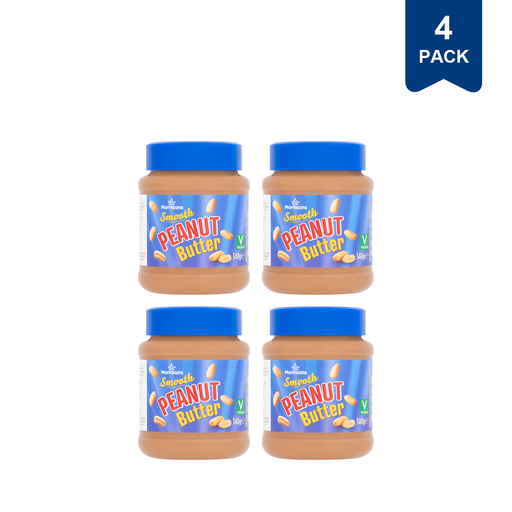
Why This Fits Their Persona: Four 340g jars provide a practical household supply for toast, sandwiches, baking and smoothies without committing to one very large jar.
The pack format helps avoid frequent small-jar purchases. Check the label carefully, as this recipe contains 96% peanuts, palm oil, sugar and salt.
Smooth texture; suitable for vegans and vegetarians; four individual jars are easy to store.
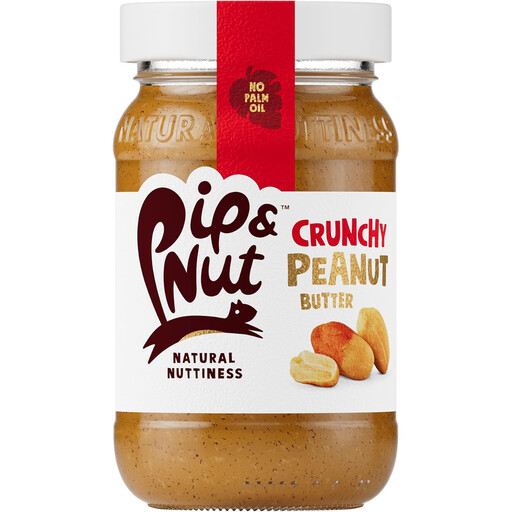
Why This Fits Their Persona: A short ingredient list and crunchy texture suit shoppers who prioritise a pronounced roasted peanut flavour for breakfast or baking.
It does not rely on a long list of sweeteners or stabilisers: the supplied ingredients are 99.4% peanuts and 0.6% sea salt.
No palm oil listed; 27g protein per 100g; crunchy roasted peanut pieces.

Why This Fits Their Persona: The larger format suits families, frequent bakers, gym-goers and anyone adding peanut butter to smoothies or savoury sauces regularly.
Its 100% peanut recipe avoids the added sugar, salt and palm oil found in some conventional spreads.
1kg quantity; smooth consistency; 26.1g protein per 100g; suitable for vegans and vegetarians.
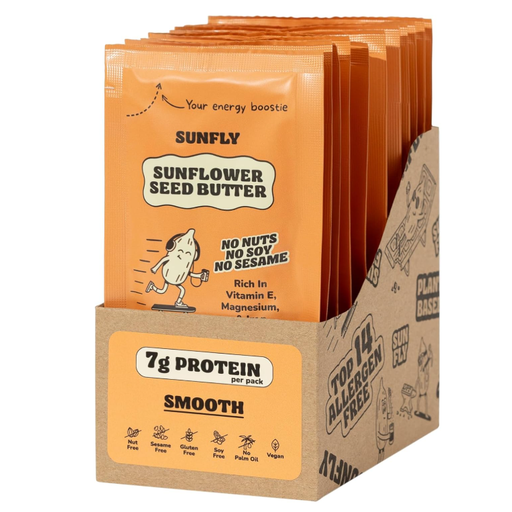
Why This Fits Their Persona: Individual sachets are convenient for lunchboxes, travel, sports bags and portion-controlled snacks when peanut butter is not suitable.
It provides a seed-butter alternative rather than a peanut recipe. Still check the packaging and local school or workplace allergy policies.
12 x 32g sachets; smooth format; no peanut ingredients listed; 6.8g protein per sachet.
We have compiled a complete, real-time list of products that fully satisfy these strict selection criteria and UK safety regulations.
Many products are suitable for vegans because peanuts are plant-based. However, recipes can include ingredients such as honey, dairy-derived additives or other flavourings, so check the full ingredients list and packaging. The products above marked as suitable for vegans should still be checked at the point of purchase, as formulations may change.
Most jars should be kept in a cool, dry place and consumed within the period stated on the label. Natural oil separation is normal in some recipes; stir before use. Do not assume refrigeration is required unless the packaging instructs you to refrigerate the product.
A 1kg jar suits households that use peanut butter frequently in breakfast dishes, baking, smoothies and cooking. A multipack offers several sealed jars, which can be easier to store and share. Compare the price per 100g, available cupboard space and likely consumption before choosing. Always check the allergen declaration, particularly when serving children or anyone with a peanut or nut allergy.