For a thick, peanut-heavy base, look for a blender whose exact model is intended for dense mixtures, rather than relying on motor wattage. A jug blender is a more straightforward choice for a pourable family batch; choose a food processor and blender system if chopping, slicing or grating other meal ingredients is also a regular need. Check the usable capacity of the container you would actually use and the cleaning involved.
Who each option suits
Thick peanut-sauce makers
If you start with a dense peanut mixture or also make nut butter, prioritise an exact model with stated thick-texture capability or a documented method for dense blends. A high wattage figure alone cannot tell you how it will handle the mixture.
Family-batch sauce cooks
If you want to blend the finished, pourable sauce in one go, compare usable jug capacity with your usual recipe yield. Think about how easily you can clean the container after the meal, too.
All-in-one meal-prep cooks
If sauce is only one part of the job, a processor-and-blender system may also cover regular chopping, slicing and grating. Sage Appliances describes those preparation tasks as a distinction between food processors and blenders; the extra tools also need storing and washing.
What matters when choosing
Start with the texture of your peanut mixture and the amount of finished sauce you make. Then decide whether wider meal preparation or cleaning needs change which container and appliance format you can live with.
Thick-mixture blender
Choose when: A dense peanut base or nut butter is a regular task. Ninja says the 400 ml Power Nutri Bowl supplied with its CB350UK is intended for thick textures, including nut butters.
Trade-off: A dedicated small bowl may suit the concentrated base rather than the entire finished family batch.
Jug blender
Choose when: Your finished sauce is pourable and you want to blend a shared batch in one container.
Trade-off: Jug capacity does not establish that the model can process a low-liquid peanut paste; check its instructions if you make the thick base first.
Food processor with blender
Choose when: You regularly prepare vegetables or other meal ingredients as well as blending sauce.
Trade-off: The additional containers and attachments take space and add parts to clean; they offer less reason to choose this route if sauce is your main task.
| Concern |
What to check |
Who this matters to |
| Thick peanut mixtures |
Look for exact-model guidance on nut butters or thick textures and, where available, independent whole-nut testing. Do not use wattage as a performance verdict. |
If I start with a dense peanut base, I need it to move through the blades without assuming that added power solves the problem. Around 36% of consumers put thick-mixture handling first. |
| Family-batch capacity |
Compare usable container volume with your finished recipe yield, allowing for the appliance instructions and blending headroom. |
For a shared meal, I would rather make the pourable sauce in one batch than repeatedly refill a small cup. Around 29% of consumers make batch capacity their primary concern. |
| Wider meal preparation |
Check the exact model’s included tools and the processor and blender capacities separately. |
If I regularly chop or grate ingredients for the same meal, those tasks affect whether a second container is worth storing. Around 21% of consumers prioritise wider meal preparation. |
| Cleaning and peanut residue |
Check how lids, blades, seals and attachments are cleaned under the manufacturer’s instructions, especially in a kitchen shared with someone who has a peanut allergy. |
When peanut residue could affect someone in my household, I need a cleaning routine that covers every food-contact part. Around 14% of consumers put cleaning and allergen management first. |
Buying pitfalls
-
Assuming wattage proves thick-blend performance
Which? reported markedly different peanut-butter results in its UK blender testing: some models made smooth butter in under two minutes, while others had not made a consistent butter after five minutes. A motor rating cannot replace evidence for the exact model.
If a dense peanut base matters to you, look for exact-model nut-butter instructions or relevant independent testing before deciding.
-
Choosing a thick-mixture cup without sizing the finished sauce
A compact bowl may accommodate the peanut-heavy starting mixture but not the full quantity you want to serve.
Compare each included container with your recipe. Decide whether making a concentrated base separately, then loosening it with the remaining sauce ingredients, suits the way you cook.
-
Buying processor attachments you will rarely use
Chopping, slicing and grating functions are useful when those jobs are part of regular family-meal preparation, but they are not evidence of better results for a liquid sauce.
Choose a processor-and-blender system for the preparation tasks you expect to repeat, not solely for its number of functions.
Additional containers and attachments also take storage space and cleaning time.
-
Equating convenient washing with allergy control
Peanut residue can remain a concern on food-contact equipment in a shared kitchen. The Food Standards Agency identifies cleaning equipment and surfaces as one way to help prevent food-allergen contamination; a dishwasher-safe label alone is not an allergy-management plan.
If someone in the household has a peanut allergy, clean all relevant parts according to the appliance instructions and consider dedicated equipment where appropriate to the household’s allergy-management plan.
Brands to consider
Ninja
Relevant if you want a blender format intended for both drinks and dense mixtures.
- Ninja describes the CB350UK’s 400 ml Power Nutri Bowl as intended for thick textures, including nut butters.
- That bowl’s capacity is not the same as a full family-batch capacity. Compare the other included container with your finished sauce quantity.
Vitamix
Relevant if dense nut blends are a regular task and you are prepared to follow a model-appropriate method.
- Vitamix UK’s peanut-butter recipe uses 600 g of peanuts in a 2.0 L container, with variable speed and a tamper.
- A brand recipe is not an independent test or a method to assume works with every Vitamix model and container.
Kenwood
Relevant if sauce-making sits alongside regular chopping, slicing or grating.
- Kenwood lists a 3.0 L processor bowl and a 1.5 L blender for the MultiPro Express FDP65.860WH.
- The wider tool set does not establish superior handling of a dense peanut mixture; consider the attachments you would use and clean.
Bosch
Relevant if a jug blender for a pourable batch is your main priority.
- Bosch lists a 1.5 L usable jug volume, pulse function and 1200 W connection rating for the MMB6174SG.
- Those specifications do not establish how that model handles a low-liquid peanut mixture.
Joybuy product choices
These options span a processor-and-blender combination, smaller-format blenders and jug blenders relevant to sauce-making. Match the exact container and its permitted use to your recipe; none of these choices should be treated as proof of dense peanut-blend performance.
 No image available
DAEWOO 2-in-1 Food Processor and Blender, 750 W, 2 L bowl and 1.8 L jug
Consider this combination if you want to blend sauce and use a processor for other meal-prep tasks.
The product name distinguishes a 2 L bowl from a 1.8 L blender container. Compare the latter with your finished sauce quantity, and check the exact model’s instructions before processing a thick peanut base.
View on Joybuy
 No image available
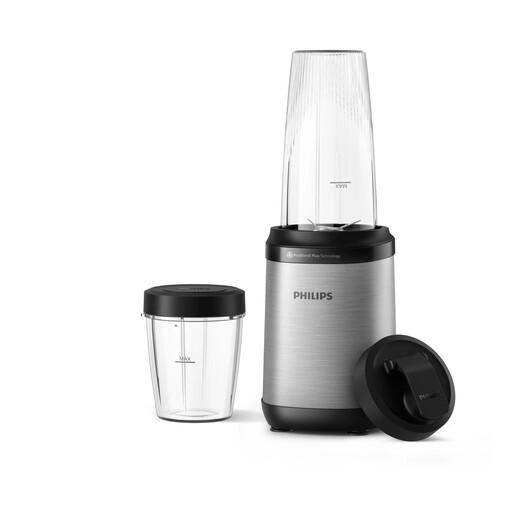
Philips 5000 series HR2765/00 Blender
Consider this blender if you plan to make sauce in a smaller container rather than assuming the whole family batch will fit at once.
Compare the usable fill level with your recipe, and consult the HR2765/00 instructions before using a very thick peanut mixture.
View on Joybuy
 No image available
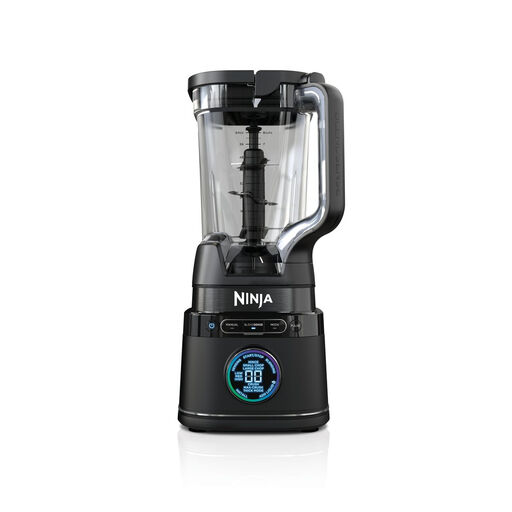
Ninja Detect Blender Pro & Single Serve TB301UK
Consider the jug-and-cup format if you sometimes make individual portions and sometimes prepare sauce to share.
Check the jug’s usable capacity against your family batch. For a dense peanut base, follow guidance for the TB301UK and the particular container you intend to use rather than assuming every mode handles the same mixture.
View on Joybuy
 No image available
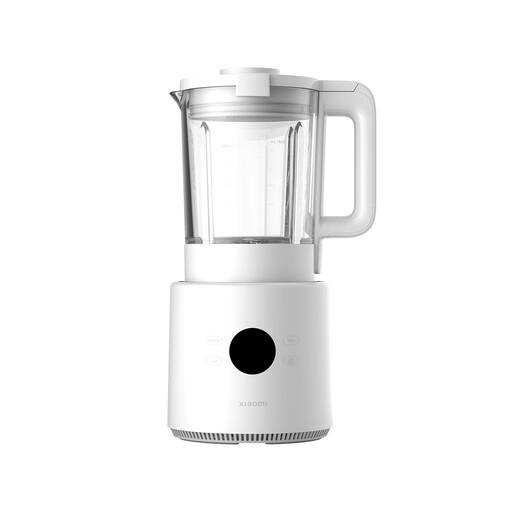
Xiaomi Blender Pro
Consider this jug blender when your main aim is a larger, pourable sauce batch.
Check the fill limit that applies to your ingredients and temperature, as well as the appliance instructions for the peanut texture you intend to blend. A cleaning mode should not be treated as a substitute for thorough cleaning where peanut allergy is a concern.
View on Joybuy
Common questions
Can a regular jug blender make peanut sauce?
A jug blender can be a suitable choice for a pourable peanut sauce, provided you follow the exact model’s instructions and use a batch size that fits its usable capacity. If you begin with a very thick, peanut-heavy base, look for explicit thick-mixture guidance rather than assuming that capacity or wattage establishes suitability.
When would a food processor make more sense than a blender?
Choose a food processor-and-blender system if you regularly chop, slice or grate other ingredients as part of the same meals. If your recurring task is a smooth, liquid-based sauce, the extra tools may bring more storage and washing-up than you need.
How should I clean the appliance if someone at home has a peanut allergy?
Clean all food-contact parts and nearby surfaces in line with the appliance instructions, including detachable blades, lids and seals. The Food Standards Agency identifies equipment and surface cleaning as a way to help prevent allergen contamination; consider dedicated equipment where appropriate to your household’s allergy-management plan rather than relying on a dishwasher-safe label alone.


