
24/7 Customer Support

Free returns

Same-day & Next-day Delivery

Quality Guaranteed

Unlock Your Welcome Offers: FREE Delivery | Up to 80% OFF | Free 30-day JoyPlus trial
Download the APP
Finding the right ingredients is the first step to recreating authentic East Asian flavours at home. If you've ever tried to make a rich, nutty dipping sauce for a hot pot night or the perfect dressing for sesame noodles, you know that the specific paste you use makes all the difference. The supermarket aisle can be confusing, with countless jars that look similar but offer vastly different results.
This guide is designed to help you navigate the options for peanut sesame paste. We will look at what makes a quality paste, how to choose one based on your culinary needs and offer a couple of our top recommendations available here in the UK.
Before adding a jar to your basket, consider these key points. They will help you select a product that genuinely suits the dishes you plan to make.
The core of any peanut sesame paste is its blend. A traditional Chinese sesame paste is made from 100% toasted sesame seeds, giving it a deep, slightly bitter and intensely nutty flavour. However, many popular pastes for hot pot and noodles are a blend of sesame and peanut.
Check the ingredient list for the ratio, often listed as a percentage (e.g., Peanut Butter 80%, Sesame Paste 20%). This will be the clearest indicator of the final taste and texture.
A quality paste should have a simple, clean ingredient list. Ideally, you want to see just sesame and peanuts. Some may include a small amount of salt or oil, but be wary of products with a long list of added sugars, preservatives or artificial flavourings. The natural richness of the core ingredients should be the star. This purity ensures an authentic taste and allows you, the cook, to control the final seasoning of your dish.
Are you a hot pot enthusiast or a noodle lover?
As a Product Recommendation Officer, my role is to highlight products that offer clear value and quality. Based on ingredient transparency and suitability for popular home-cooked dishes, here are two excellent options.
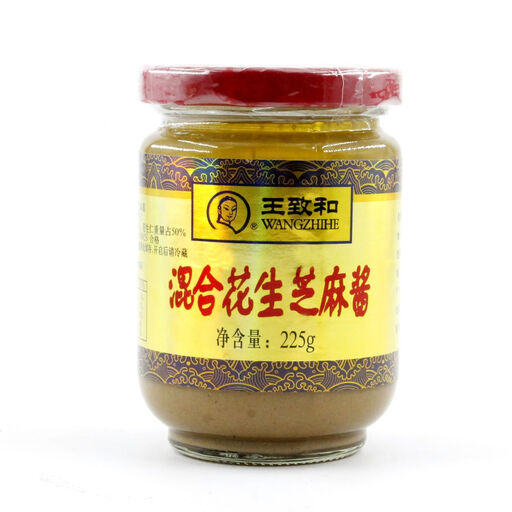
Why It Stands Out This paste from Wang Zhi He is a fantastic example of a traditional, pure blend. It contains only two ingredients: sesame and peanuts. This simplicity results in a rich, authentic flavour that serves as a perfect foundation for a wide range of Chinese dishes. Its texture is thick and smooth, a hallmark of well-ground paste.
The flavour profile is robust and nutty, with the sesame notes taking a prominent role. Because it contains no additives, you have complete control over the final taste of your sauce or dressing.
Pros:
Who is it for? This is for the home cook who enjoys building flavours from scratch. If you want a versatile, high-quality base for everything from a hot pot dipping sauce to cold noodle dressings and even as a spread, this is an excellent choice.
View Wang Zhi He Sesame Paste on Joybuy
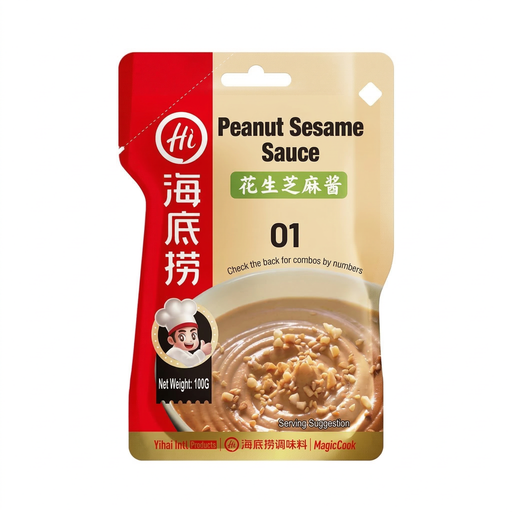
Why It Stands Out From the renowned hot pot chain, this Haidilao sauce is designed for convenience and consistency. The blend is explicitly stated: 80% peanut butter and 20% sesame paste. This ratio creates an exceptionally creamy, smooth and slightly sweet paste that is ready to use straight from the packet.
It perfectly captures the flavour many people associate with the Haidilao restaurant experience, making it incredibly easy to replicate at home. The single-serving 100g packet is also practical, reducing waste.
Pros:
Who is it for? This is perfect for anyone seeking convenience without compromising on flavour, especially fans of the Haidilao hot pot experience. If you want a reliable, no-fuss hot pot dipping sauce that delivers a delicious result with minimal effort, this is the product for you.
View Haidilao Peanut & Sesame Paste on Joybuy
While peanut sesame paste is a savoury staple, your pantry might also need something for the sweeter side of things. If you are searching for fruit preserves, honey or chocolate spreads for your toast and pastries, you can explore a wider selection.
Discover more options in our sweet jam category.
1. What is the difference between Chinese sesame paste and tahini? While both are made from sesame seeds, the key difference is in the preparation. Chinese sesame paste is made from toasted sesame seeds, which gives it a darker colour, thicker texture and a much deeper, nuttier and more intense flavour. Tahini is typically made from raw or very lightly toasted seeds, resulting in a lighter, runnier paste with a milder, more earthy taste common in Middle Eastern and Mediterranean cuisine.
2. How do you prepare peanut sesame paste for a hot pot dipping sauce? For a thick paste like Wang Zhi He's, start by placing a few spoonfuls in a bowl. Gradually whisk in warm water or broth, a little at a time, until you reach a smooth, creamy consistency. From there, you can customise it with additions like soy sauce, minced garlic, chilli oil, chopped coriander and a touch of black vinegar. For a ready-to-use paste like the Haidilao sauce, you can use it directly or thin it slightly with broth if you prefer a lighter sauce.
3. Can I use peanut sesame paste as a substitute for regular peanut butter? You can, but be mindful of the flavour difference. A sesame peanut butter blend will have the distinct, toasty notes of sesame, which makes it different from 100% peanut butter. It works wonderfully as a savoury spread on toast, perhaps with a drizzle of chilli oil, or as a base for a satay-style sauce. However, it may not be the best fit for sweet applications where a pure peanut flavour is expected, like in a classic peanut butter and jelly sandwich.