
24/7 Customer Support

Free returns

Same-day & Next-day Delivery

Quality Guaranteed

Unlock Your Welcome Offers: FREE Delivery | Up to 80% OFF | Free 30-day JoyPlus trial
Download the APP
Buying peanuts online can seem straightforward until you compare shell-on and blanched kernels, ready-to-eat snacks and cooking ingredients or small packs with family-size quantities. The right choice depends on how you plan to use them, the ingredients you need to avoid and whether the product requires cooking.
As the Joybuy Product Recommendation Officer, my role is to filter out vague marketing language and focus on practical details that matter when shopping for peanuts in the UK.
Raw peanuts, including blanched peanut kernels, are cooking ingredients rather than finished snacks. Product descriptions should clearly state “cooking required”. They need to be thoroughly roasted, boiled or fried before consumption according to the packaging instructions.
By contrast, roasted peanuts, salted peanuts and most flavoured peanuts are ready to eat. Buying a 1kg bag of raw kernels for lunchbox snacking could lead to unnecessary preparation, while choosing a seasoned snack for baking may add unwanted salt, sugar or flavourings.
A 500g peanuts pack may suit occasional use, whereas a 1kg peanuts pack can be more practical for regular cooking, homemade peanut butter or batch roasting. However, large packs need suitable storage. Peanuts contain naturally occurring oils, so exposure to heat, sunlight and moisture can affect freshness.
Compare the price per 100g rather than the headline pack size. Also check whether a product is sold as 500g × 2, as this may be easier to store than one large opened bag.
Flavoured peanuts may contain more than peanuts, salt and seasoning. Coated products can include wheat, soya, milk, mustard, sweeteners, sugar or other cereals. For example, Thai sweet chilli coated peanuts contain wheat and soya, while wasabi varieties may contain wheat, soya and mustard.
Always read the ingredients and allergen statement on the product page and packaging. UK food labelling uses emphasis, often bold type, for listed allergens. Peanuts are a regulated allergen, and products may also carry precautionary statements such as “may contain” other nuts.
Use this as the first filter:
Products such as HONOR Blanched Peanut Kernels 500g and Honor Blanched Peanut Kernels 1kg are described as raw and cooking-required. They can be roasted, boiled or incorporated into dishes, but should not be treated as ready-to-eat snack nuts.
For a simple snack, look at how prominently peanuts appear in the ingredients list. ChaCha Crunchy Peanuts 400g, for example, lists peanuts at 95%, followed by salt, garlic, sweeteners and flavouring. Coated varieties can contain considerably less peanut by weight because flour, starch, sugar and seasoning form part of the outer layer.
If you want a traditional nut texture, dry roasted or lightly salted varieties may be more suitable. If you want stronger flavours, spicy peanuts, garlic peanuts, five-spice peanuts, coconut peanuts and salt-and-vinegar peanuts offer more variety, but their ingredient lists are longer.
Nutrition panels are normally shown per 100g, making comparisons easier. Available products vary considerably: some flavoured and honey roasted options contain more sugars, while salted varieties can contain around 1.2g to 1.7g of salt per 100g according to the supplied product information.
After opening, reseal peanuts or transfer them to an airtight container. Store them in a cool, dry place away from direct sunlight. Raw peanuts intended for longer storage may benefit from refrigeration, subject to the product instructions. Do not eat oxygen absorber sachets found inside some snack packaging.
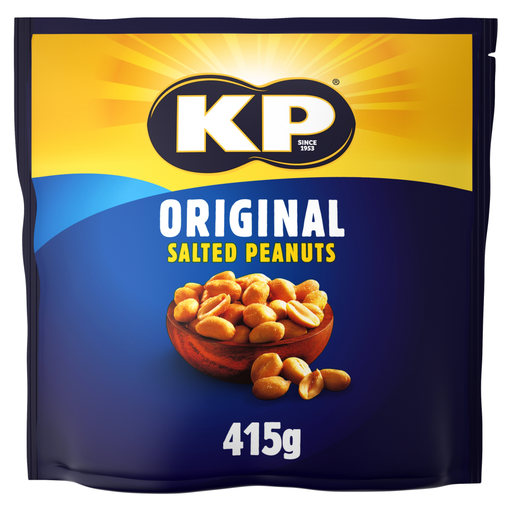
Why This Fits Their Persona: A familiar 415g format suits casual snacking, small gatherings and pantry storage without committing to a 1kg cooking pack.
It is listed as a ready-to-eat salted snack, avoiding confusion with raw peanuts that require cooking.
Peanuts, sunflower oil and salt are the listed core ingredients; the 415g quantity works for sharing.
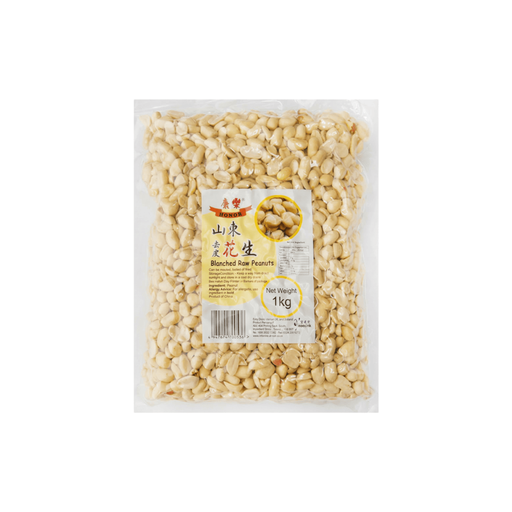
Why This Fits Their Persona: A large quantity of peeled kernels suits home cooks who want a clean starting ingredient for baking, roasting or homemade peanut butter.
The product description clearly identifies the kernels as raw and states that cooking is required.
Peeled kernels reduce preparation work, and the 1kg pack supports repeated cooking and baking.
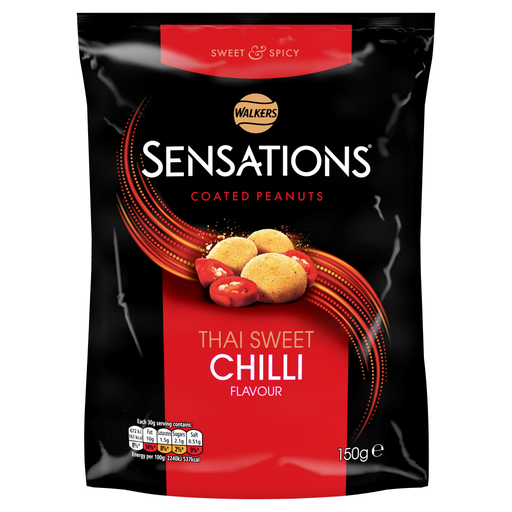
Why This Fits Their Persona: The 150g sharing bag is suitable for a film night, drinks gathering or snack selection where a sweet chilli flavour is preferred.
The product page identifies its wheat and soya allergens, rather than presenting the coating as simply flavoured peanuts.
Ready to eat, vegetarian and portioned as five servings per pack according to the supplied information.
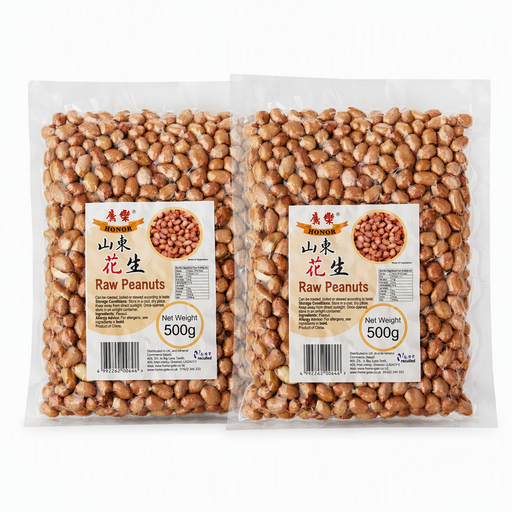
Why This Fits Their Persona: The two 500g packs work well for batch cooking, congee, soups, baking or making peanut butter at home.
The twin-pack format is easier to portion and store, while the instructions explicitly say the peanuts are raw and must be cooked.
The product contains 100% peanuts, with no listed seasoning, making it adaptable for sweet and savoury recipes.
We have compiled a complete, real-time list of products that fully satisfy these strict selection criteria and UK safety regulations.
Before placing an order, confirm:
Raw peanuts sold as cooking ingredients should not be eaten directly unless the packaging specifically confirms they are ready to eat. Follow the product instructions and cook them thoroughly by roasting, boiling or frying before consumption.
Keep peanuts in an airtight container in a cool, dry place away from sunlight and moisture. For larger packs, divide them into smaller sealed portions. Follow any product-specific guidance, particularly for raw peanuts intended for long-term storage.
It can offer a lower price per 100g, but only if you will use the quantity before quality declines. A 1kg pack is more suitable for regular cooking, baking, roasting or homemade peanut butter. For occasional snacking, a 300g to 500g pack may reduce waste and simplify storage.