
24/7 Customer Support

Free returns

Same-day & Next-day Delivery

Quality Guaranteed

Unlock Your Welcome Offers: FREE Delivery | Up to 80% OFF | Free 30-day JoyPlus trial
Download the APP
Whether you need peanuts for a drinks table, a film night, a stir-fry or homemade peanut butter, the choice is wider than it first appears. Pack size, preparation, seasoning and allergen information can all affect whether a product suits your household.
A low price does not always mean good value, particularly when a small bag is intended for one sitting. Equally, an appealing flavour description may hide a heavily coated product that is less suitable for cooking. Use the guide below to compare peanut kernels and ready-to-eat peanut snacks with fewer surprises.
Blanched peanuts and plain peanut kernels are often intended for cooking. They may be peeled, but that does not mean they are ready to eat straight from the packet. For example, Honor Blanched Peanut Kernels 1kg states that cooking is required and that the kernels can be roasted, boiled or used in recipes.
By contrast, roasted peanuts, salted peanuts and flavoured peanuts are generally ready to eat. Always check the usage instructions rather than relying on photographs or words such as “crunchy” and “snack”.
Flavoured products can contain flour, starch, sugar, oil and seasoning in addition to the nuts. Walkers Sensations Coated Peanuts Thai Sweet Chilli contains 49% peanuts, while several garlic and five-spice products contain 95% peanuts. These are different eating experiences and should not be compared solely by pack weight.
If you want a strong coating and a crisp shell, a lower peanut percentage may be acceptable. If you want peanuts for cooking, baking or sauces, choose plain kernels instead.
All products containing peanuts should be avoided by anyone with a peanut allergy. Some seasoned products also contain or may contain soya, wheat, sesame, mustard, milk, fish or crustaceans. Read the current packaging before purchase, especially when buying Asian snacks with complex seasoning blends.
Nutrition panels also vary by product. Salted and spicy peanuts commonly contain added salt, while coated varieties may contain more carbohydrate and sugar than plain roasted peanuts. A large bag is convenient for sharing, but it can also make portion control less obvious.
Choose according to how you intend to use the product:
The percentage of peanuts is useful when comparing flavoured snacks. A higher percentage generally means more of the pack consists of nuts, while a thick coating may change the flavour, texture and nutritional profile.
For cooking, look for a short ingredient list such as peanuts or peanuts and salt. For ready-to-eat snacks, inspect the seasoning ingredients and check for sweeteners, flavour enhancers and additional allergens.
A 1kg pack of peanuts can suit batch cooking, baking or home roasting, but it requires proper storage. Keep opened plain kernels in an airtight container in a cool, dry place away from direct sunlight. This helps reduce moisture absorption and stale flavours.
Smaller packs from 110g to 150g are practical for trying unfamiliar spicy peanuts or adding variety to a party spread. Reseal ready-to-eat products promptly after opening to help preserve their crunch.
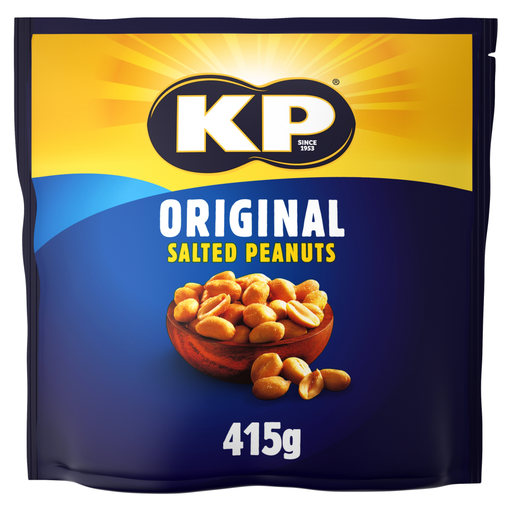
Why This Fits Their Persona: A familiar 415g format for households wanting a straightforward snack for drinks, gatherings or a sharing bowl.
The ingredients are simple: peanuts, sunflower oil and salt, making it easier to see what you are buying.
Classic salted flavour; 415g quantity; suitable for ready-to-eat serving.
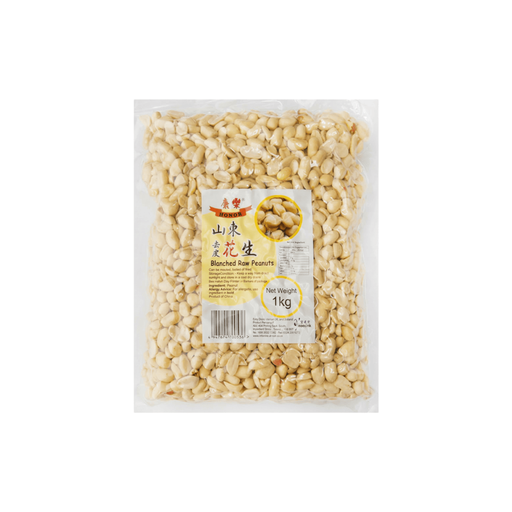
Why This Fits Their Persona: Useful for cooks who prefer peeled peanut kernels and want one large pantry pack for several recipes.
The listing clearly states that cooking is required, avoiding confusion between raw kernels and ready-to-eat snacks.
Peeled kernels; 1kg quantity; suitable for roasting, baking, sauces and peanut butter.

Why This Fits Their Persona: A compact choice for shoppers seeking a Sichuan-style mala snack to serve with beer or add to noodles, rice and salads.
The flavour profile identifies chilli and Sichuan peppercorns, while the allergen information notes peanuts and soya.
Ready to eat; 110g pack; can be used as a topping as well as a snack.
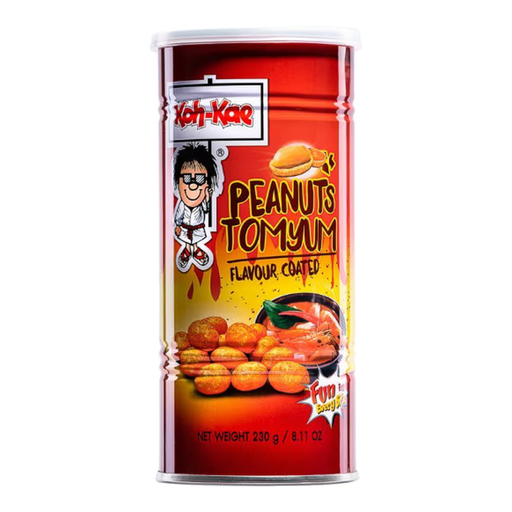
Why This Fits Their Persona: A Thai-inspired option for sharing platters, film nights or adding citrusy, spicy notes to salads, noodles and rice dishes.
The listing specifies a 65% peanut content and identifies the seasoning ingredients, including lemongrass, galangal and kaffir lime leaf.
230g sharing bag; ready to eat; suitable for vegan shoppers according to the supplied product information.
For a straightforward plain snack, consider Longdan Peanut 400G or Shi Xing Long Roasted & Salted Peanuts 320g. Garlic fans can compare ChaCha Crunchy Peanuts 400g (Garlic Flavour), ChaCha Slow Roasted Peanuts, Garlic Flavour, 258g and ONTRUE Garlic Flavour Peanuts 300g.
Those seeking unusual Asian snacks may prefer Tropical Sun Crunchy Wasabi Peanuts, Laojiekou Ya Shi Xiang Tea-Fried Peanut or Crunchy Coconut Peanuts. Check each ingredient list for wheat, soya, sesame, mustard and other declared allergens before serving.
We have compiled a complete, real-time list of products that fully satisfy these strict selection criteria and UK safety regulations.
Raw or blanched peanut kernels listed for cooking should be prepared according to the pack instructions before consumption. Do not assume that peeled peanuts are ready-to-eat snacks. Ready-to-eat products will normally state this clearly.
Keep peanuts in a cool, dry place away from sunlight and moisture. Transfer plain kernels to an airtight container after opening. Flavoured and roasted peanuts should also be resealed promptly to help maintain their crunchy texture.
For a sharing bowl, 300g to 415g packs of salted or roasted peanuts offer a practical quantity. For variety, combine a classic salted product with garlic peanuts, spicy peanuts or coated Thai sweet chilli peanuts. Check all allergen labels before serving guests.