
24/7 Customer Support

Free returns

Same-day & Next-day Delivery

Quality Guaranteed

Unlock Your Welcome Offers: FREE Delivery | Up to 80% OFF | Free 30-day JoyPlus trial
Download the APP
By Joybuy Product Recommendation Officer
Whether you are filling a lunchbox, preparing a drinks table or looking for a crunchy snack for a film night, peanuts offer plenty of choice. UK shoppers can find roasted peanuts, salted peanuts, honey roasted varieties and strongly seasoned Asian-inspired flavours in packs ranging from small individual portions to larger sharing bags.
However, attractive packaging does not always tell you what you are buying. Checking the ingredient list, pack size, preparation instructions and storage advice can help you avoid paying for a flavour you will not enjoy or a product unsuitable for your household.
Not every packet of peanut kernels is designed for immediate snacking. Blanched or peeled raw kernels may need roasting, boiling or cooking before consumption. For example, Honor Blanched Peanut Kernels 1kg are intended for cooking, baking, homemade peanut butter and roasting rather than eating directly from the bag.
If you want a quick snack, look for wording such as “ready to eat” or “no preparation required”. This is particularly important when buying online, where a product image may make raw kernels look similar to roasted snacks.
Flavoured peanuts can contain more than a simple spice coating. Depending on the recipe, the ingredients may include palm or sunflower oil, sugar, flour, flavour enhancers, sweeteners and acidity regulators.
Wasabi peanuts, Thai sweet chilli snacks and coated varieties may also contain wheat, soya, mustard, sesame or tree-nut traces. Always read the full allergen information rather than relying on the flavour name alone.
A larger bag can work well for parties and regular snacking, but peanuts can lose their crunch after opening if exposed to humidity. Check whether the packaging is resealable, and transfer opened products to an airtight container when necessary.
A 400g sharing pack may offer practical value for gatherings, while a 110g or 130g pack may be more suitable if you are trying an unfamiliar spicy flavour or want to reduce the time an opened packet is stored.
Roasted peanuts are generally ready to serve and provide the crisp texture many shoppers expect from crunchy peanut snacks. Salt-roasted products, such as ONTRUE Roasted Salted Peanuts 300g, contain peanuts and edible salt, keeping the ingredient list relatively short.
Coated products have a different texture. They may contain flour or starch around the peanut, creating a thicker, harder shell. This is the case with several wasabi, chicken-flavoured and sweet chilli options. Consider whether you prefer a direct roasted peanut texture or a crisp outer coating.
For a traditional snack, choose plain roasted or salted peanuts. Garlic peanuts add a savoury aroma, while honey roasted peanuts combine sweetness with salt and roasted nut flavour. Spicy peanuts can range from a gentle chilli warmth to a numbing Sichuan málà sensation.
Tom Yum peanuts typically combine sour, salty, spicy and herbal notes, including ingredients such as lemongrass, galangal and kaffir lime leaf. Wasabi peanuts provide a sharp mustard-style heat, while Chinese peanuts may use five-spice, Sichuan pepper or chilli seasoning.
Under UK food labelling expectations, packaged food should provide clear ingredient and allergen information. Peanuts are a major allergen, so anyone with a peanut allergy should avoid these products and check packaging carefully for possible cross-contamination warnings.
Compare nutrition per 100g rather than per serving, as serving sizes vary. Salted and seasoned peanuts can contain significantly more salt than plain kernels. Sweetened products may also contain sugar or approved sweeteners. Nutrition panels and ingredients can change, so check the product packaging before eating.
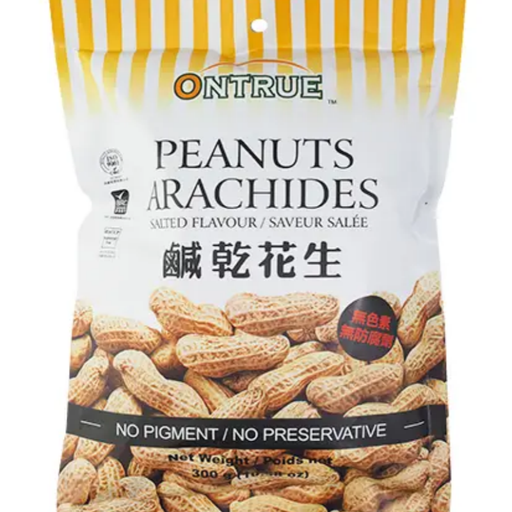
Why This Fits Their Persona: A straightforward ready-to-eat option for shoppers who want classic salted peanuts for drinks, lunchboxes or casual snacking without experimenting with strong flavours.
The product is described as ready to eat and lists peanuts and edible salt, avoiding the uncertainty between raw kernels and prepared snacks.
300g quantity; classic salt-roasted flavour; suitable for sharing and storing in the store cupboard.
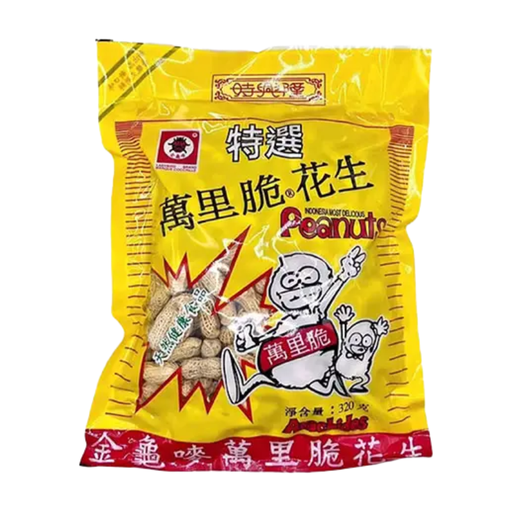
Why This Fits Their Persona: A larger traditional snack for shoppers who value a simple ingredient profile and want a substantial bowl of peanuts for guests or regular evening use.
Its listed ingredients are peanuts and salt, making it easier to understand the seasoning rather than guessing from promotional flavour language.
320g sharing pack; roasted and salted; storage advice recommends sealing after opening.
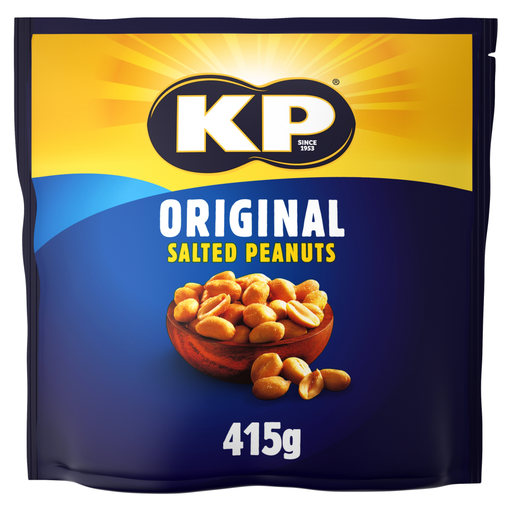
Why This Fits Their Persona: The 415g pack suits frequent snackers, bar-style serving, parties and households that want a familiar salted peanut option available for several occasions.
The pack size is clearly stated, while the ingredient list identifies peanuts, sunflower oil and salt rather than presenting the product as an unspecified flavoured coating.
415g quantity; ready for serving; suitable for parties, barbecues and store-cupboard storage.
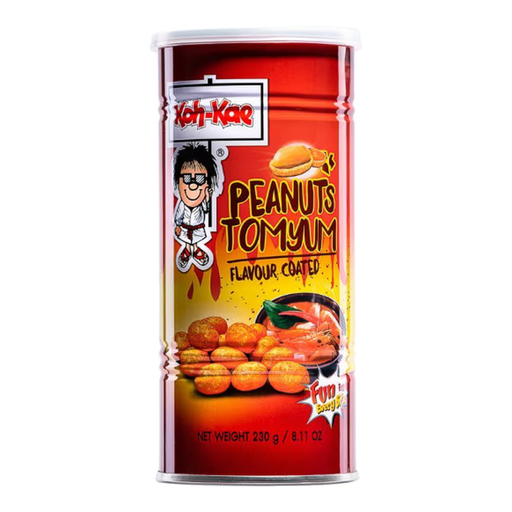
Why This Fits Their Persona: A ready-to-eat choice for shoppers exploring Thai-inspired snacks and looking for sour, spicy, salty and herbal notes rather than a plain nut flavour.
The product information identifies its flavour ingredients and states that it is ready to eat, while also highlighting possible tree-nut and soya traces.
230g pack; Thai seasoning profile; can be eaten alone or added to salads, noodles and rice dishes.
We have compiled a complete, real-time list of products that fully satisfy these strict selection criteria and UK safety regulations.
Usually, but check the product description. Roasted salted peanuts and most flavoured peanuts are sold ready to eat. Raw or blanched peanut kernels may require roasting or cooking, so they should not be treated as an instant snack.
Packs around 300g to 415g are practical for parties, drinks and family gatherings. Smaller 110g to 150g packs can suit individual snacking or sampling a new flavour before purchasing a larger quantity.
Store them in a cool, dry place and seal the packaging tightly. An airtight container can provide additional protection from moisture and help maintain texture. If the peanuts smell stale, appear damp or show any unusual changes, do not eat them.