
24/7 Customer Support

Free returns

Same-day & Next-day Delivery

Quality Guaranteed

Unlock Your Welcome Offers: FREE Delivery | Up to 80% OFF | Free 30-day JoyPlus trial
Download the APP
Whether you need a quick office snack, a bowlful for drinks with friends or a bulk ingredient for cooking, buying peanuts in the UK is not simply a matter of choosing the largest bag. Roasted peanuts, salted peanuts, dry roasted peanuts and raw peanut kernels differ considerably in preparation, seasoning, storage and intended use.
The right choice depends on how you plan to eat or use them. Checking the label before buying can also help you avoid unnecessary waste, unsuitable ingredients and products that lose their crunch shortly after opening.
Raw peanuts and blanched peanut kernels are not the same as ready-to-eat snacks. Raw products may require boiling, roasting or frying before consumption. Using them straight from the bag can be unsuitable, so always check whether the packaging states “ready to eat” or “cooking required”.
For example, raw peanuts are useful for peanut butter, soups, congee and baking, but they need thorough cooking. Blanched kernels have their skins removed, which can save preparation time, but they still require cooking unless the packaging says otherwise.
Words such as “spicy”, “honey roasted” or “salt and vinegar” describe taste, not necessarily a simple ingredient profile. Flavoured peanuts may include sugar, flour, flavourings, oils, stabilisers or flavour enhancers.
If you want a straightforward snack, compare the ingredients of plain roasted peanuts with seasoned alternatives. Those managing allergies or dietary preferences should also check for wheat, soya, milk, barley, mustard and other “may contain” statements.
A large family-size pack or bulk pack of peanuts can offer practical pantry storage, but it may lose its crisp texture if opened repeatedly. Smaller multipacks are useful for lunchboxes and portion control, while resealable bags are more suitable for desks, cupboards and shared snack storage.
Check the stated storage instructions and reseal the pack promptly. Peanuts contain naturally occurring oils, so keeping them away from heat, humidity and direct sunlight helps maintain their flavour.
In the UK, ingredients are listed in descending order by weight and allergens should be emphasised on the packaging. Peanuts are a regulated allergen and must be clearly identified. Some products may also contain cereals containing gluten, soya, milk, sesame, mustard or tree nuts.
Never rely on the product name alone. For example, a crunchy coating may contain wheat flour, while a spicy seasoning may include soya or mustard. If buying for a party, office or lunchbox, make the allergen information visible to anyone who may eat the product.
Compare pack size alongside the price rather than judging value from the headline figure. A 110g bag may suit occasional snacking, while 390g to 415g packs are more practical for sharing. Multipacks can be convenient for work or school bags.
Nutrition labels normally show energy, fat, saturates, carbohydrate, sugars, protein and salt per 100g. This makes it easier to compare plain peanuts with honey roasted peanuts, salt and vinegar peanuts or other flavoured peanuts. Treat seasoned and coated varieties as snacks and follow the storage and serving guidance on the label.
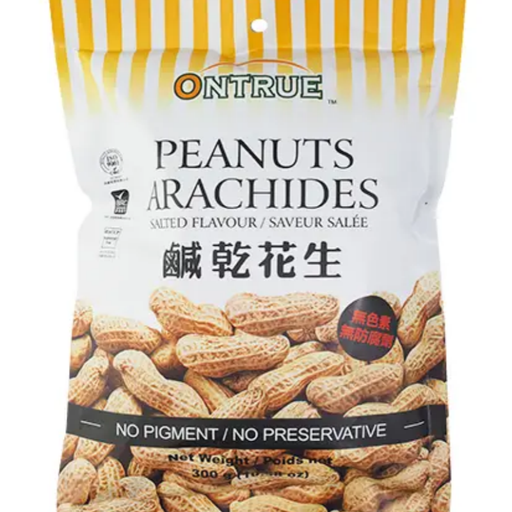
Why This Fits Their Persona: A 300g ready-to-eat pack suits shoppers who want a familiar salted snack for casual eating, drinks or small gatherings without committing to a larger quantity.
The product is labelled ready to eat and lists peanuts and edible salt, reducing uncertainty about preparation and complex flavour coatings.
Roasted texture; 300g quantity; suitable for sharing and pantry storage when kept sealed.
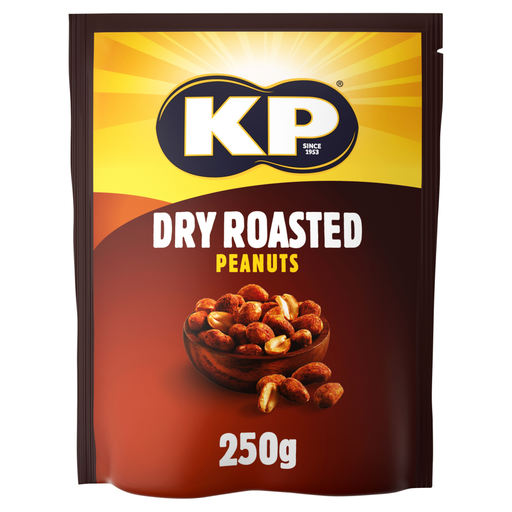
Why This Fits Their Persona: The resealable 250g pack is practical for regular snackers who want dry roasted flavour and a way to protect the remaining peanuts between servings.
The resealable closure addresses the common problem of opened peanuts becoming less crisp, while the label provides clear seasoning and allergen information.
Resealable 250g pack; dry roasted seasoning; listed at 30g protein per 100g.
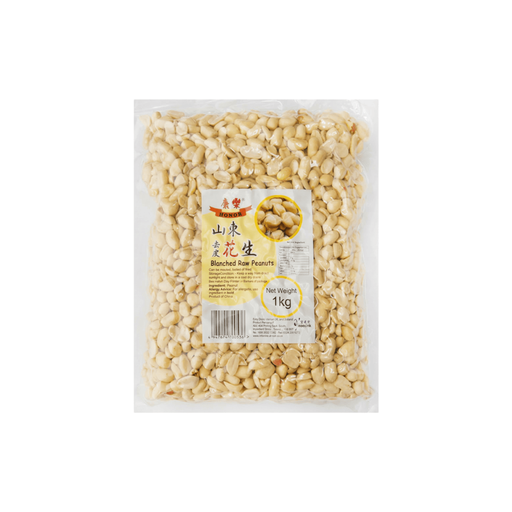
Why This Fits Their Persona: Home cooks, bakers and batch preparers can use the 1kg pack for peanut butter, desserts, stir-fries, roasting and other recipes.
It is identified as a cooking-required ingredient, so buyers are less likely to mistake raw kernels for a ready-to-eat snack.
1kg bulk quantity; skins removed; suitable for cooking, baking, roasting and blending.
We have compiled a complete, real-time list of products that fully satisfy these strict selection criteria and UK safety regulations.
For classic sharing, compare salted peanuts in 300g to 415g packs. For stronger flavours, consider spicy peanuts, garlic peanuts, wasabi peanuts or salt and vinegar peanuts, but check whether the seasoning includes wheat, soya or other allergens.
Honey roasted peanuts and coconut-coated varieties provide a sweeter profile and may contain considerably more carbohydrate and sugars than plain roasted options. For lunchboxes or commuting, individual 30g packs can be easier to carry, while a family-size pack is more suitable for a drinks cupboard or party table.
No. If the label says cooking required, boil, roast or fry the peanuts thoroughly before eating. Follow the product instructions and do not confuse raw kernels with ready-to-eat roasted peanuts.
Keep them in a cool, dry place away from sunlight and humidity. Reseal the original packaging or transfer the peanuts to an airtight container. Follow any stated instruction to consume within a specific period after opening.
Roasted salted peanuts, dry roasted peanuts and flavoured varieties are ready to eat and require no preparation. Larger 300g to 415g packs are convenient for sharing, while smaller bags can help provide variety across a snack table. Always display allergen information when serving guests.