
24/7 Customer Support

Free returns

Same-day & Next-day Delivery

Quality Guaranteed

Unlock Your Welcome Offers: FREE Delivery | Up to 80% OFF | Free 30-day JoyPlus trial
Download the APP
Peanuts can be a convenient cupboard staple, but the product description does not always tell the whole story. A small snack bag, a family-size pack and raw kernels serve completely different purposes. Choosing by flavour or price alone can lead to wasted food, unsuitable ingredients or a pack that goes stale before it is finished.
This guide explains what to check before buying peanuts in the UK, whether you want roasted peanuts for sharing, flavoured peanuts for a party or raw kernels for cooking.
Raw peanuts and blanched peanut kernels are not automatically ready to eat. Product instructions may state that they require roasting, boiling or frying before consumption. Buying raw kernels for an office snack, then discovering they need preparation, is an avoidable mistake.
By contrast, roasted salted peanuts, dry roasted peanuts and coated varieties are generally ready to eat straight from the pack. Always check the usage instructions rather than relying on the product image.
A family-size pack can reduce the need for repeat purchases, but only if you can store it properly and consume it while the texture remains fresh. A 1kg bag of cooking peanuts is practical for frequent home use, whereas a large flavoured snack pack may lose its crunch if it is opened repeatedly.
Check the net quantity, serving information and storage instructions together. A 150g sharing bag may suit occasional entertaining, while 400g or 500g packs may be more appropriate for regular household use.
Peanuts are a regulated allergen in the UK and should be clearly identified on food packaging. Flavoured products can also contain wheat, soya, sesame, milk, mustard or other nuts. For example, a coated Thai sweet chilli product may contain wheat and soya through its starch and seasoning, while coconut-coated peanuts may contain wheat alongside coconut.
Do not assume that a product is suitable for a particular diet based only on flavour descriptions. Read the ingredients and allergen statement before ordering.
Use this simple distinction:
The product page should tell you whether cooking is required. Follow that instruction, particularly for raw products.
The percentage of peanuts gives useful context when comparing coated or seasoned snacks. ChaCha Slow Roasted Peanuts, Garlic Flavour, 258g lists 95% peanuts, with salt, garlic, sweeteners and flavouring. Laojiekou Ya Shi Xiang Tea-Fried Peanut lists 96.5% peanuts and 0.5% tea.
Coated products can have a lower peanut percentage because they include starch, oil, sugar or seasoning. Walkers Sensations Coated Peanuts Thai Sweet Chilli contains 49% peanuts, with a wheat-based coating and Thai-style seasoning. That does not make it unsuitable, but it means the eating experience differs from a plain roasted nut.
Peanuts contain naturally occurring oils, so poor storage can affect flavour and texture. Look for instructions such as:
For sharing, 130g–150g packs are easy to finish during one occasion. Packs around 300g–415g suit regular snacking, while 500g and 1kg formats are more suitable for cooking or frequent household use.
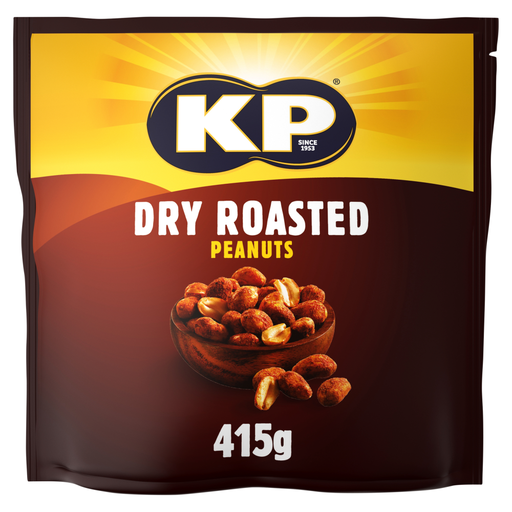
Why This Fits Their Persona: A familiar 415g format suits shoppers wanting a classic cupboard snack for film nights, packed lunches or casual sharing.
The product is clearly positioned as dry roasted and ready to eat, avoiding confusion with raw cooking peanuts.
415g pack; dry-roasted seasoning includes salt, onion, paprika and garlic.
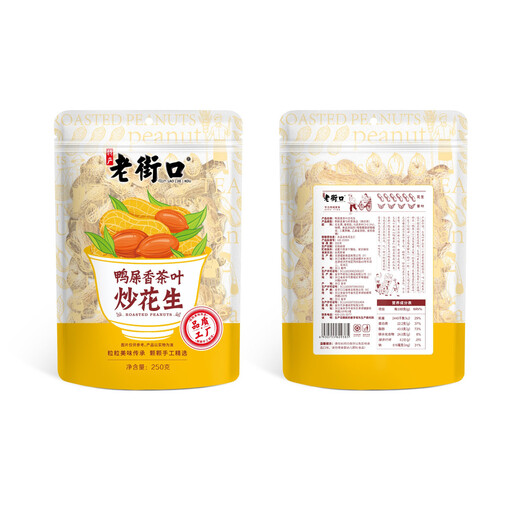
Why This Fits Their Persona: Suitable for shoppers seeking an unusual tea-time or gathering snack with a distinct aromatic profile.
The ingredient declaration specifies 96.5% peanuts and 0.5% tea, giving a clearer view of the flavouring format.
250g pack; ready to eat; tea flavour, salt and seasonings are listed.
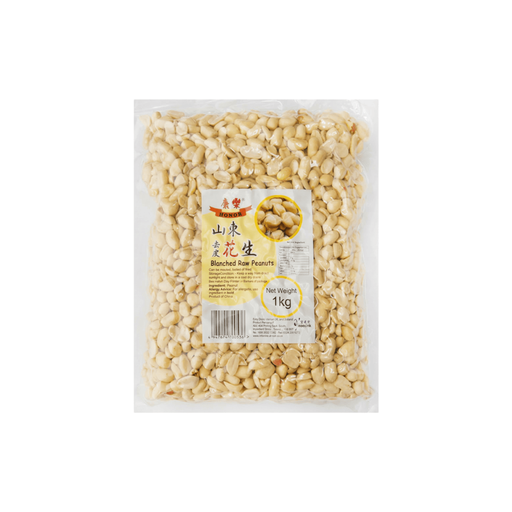
Why This Fits Their Persona: A practical option for home cooks who regularly prepare peanut butter, desserts, stir-fries, soups or baked recipes.
The page states that cooking is required, so it is not mistaken for a ready-to-eat snack.
1kg quantity; kernels are shelled and skinned; ingredient list contains peanuts only.
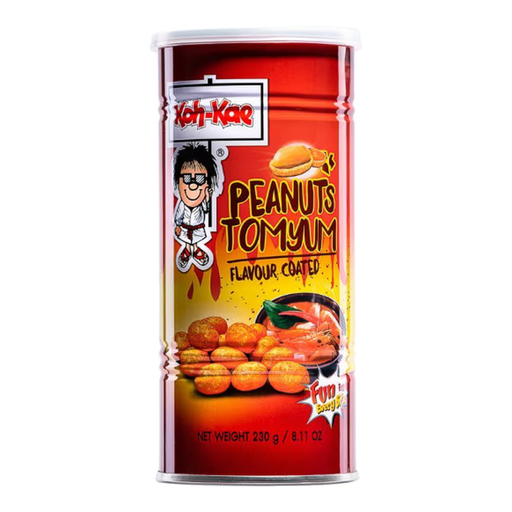
Why This Fits Their Persona: A ready-to-eat choice for world-food enthusiasts, party hosts and anyone looking for chilli, lime and lemongrass-style seasoning.
The product is identified as ready to eat, while the listing also flags peanut, possible tree-nut and soya considerations.
230g pack; seasoning includes lemongrass, galangal and kaffir lime leaf; no preparation required.
We have compiled a complete, real-time list of products that fully satisfy these strict selection criteria and UK safety regulations.
Usually not. Raw peanuts and blanched peanut kernels may require roasting, boiling or frying. Check the product instructions and cook them thoroughly before consumption where stated. Ready-to-eat products should be labelled or described as roasted, salted, dry roasted or seasoned snacks.
Keep them in a cool, dry place away from sunlight and moisture. Reseal the original pack or use an airtight container. For large packs that will be used gradually, follow the product’s specific instructions; refrigeration may be recommended for some raw peanuts to help reduce the risk of rancidity.
Choose ready-to-eat formats in quantities that match the guest list. Salted peanuts offer a familiar option, while Thai-flavoured, spicy, garlic, coconut or Chinese five-spice peanuts add variety to a snack table. Check allergens carefully if serving guests, particularly where coatings contain wheat, soya, sesame, milk or other nuts.