
24/7 Customer Support

Free returns

Same-day & Next-day Delivery

Quality Guaranteed

Unlock Your Welcome Offers: FREE Delivery | Up to 80% OFF | Free 30-day JoyPlus trial
Download the APP
Peanuts are a dependable cupboard staple in the UK, but choosing the right pack is not always straightforward. A small bag of spicy peanuts may suit a film night, while a larger sharing bag could be more practical for a barbecue, drinks gathering or family snack cupboard. Raw peanut kernels, meanwhile, are intended for cooking rather than immediate snacking.
The main challenge is separating useful product information from attractive packaging. A flavour description may sound appealing, but the ingredient list, allergen statement, serving format and storage instructions often have a greater effect on whether the product suits your household.
Coated peanuts usually contain a flour or starch layer, oil, sugar and seasoning in addition to the nut itself. This creates extra crunch and stronger flavour, but it can also introduce wheat, soya, mustard or other allergens. If you want a simple snack with a higher proportion of peanuts, compare the percentage shown in the ingredients rather than relying on the front-of-pack flavour name.
“Spicy” can refer to anything from a gentle chilli seasoning to a strong combination of chilli and Sichuan pepper. Wasabi, Sriracha, Tom Yum and mala-style peanuts each have distinct flavour profiles. Check the product description and seasoning ingredients if you are buying for children, guests with different preferences or anyone who is sensitive to chilli heat.
Sharing bags and family packs can offer convenience, but peanuts can lose their crisp texture after opening if exposed to air or humidity. A multi-pack of smaller portions may be more practical for packed lunches and portion control, while a 300g–415g bag suits households that can reseal it or finish it promptly.
For recipes, peeled or blanched kernels can save preparation time. They are suitable for roasting, boiling, sauces, peanut butter, stir-fries and baking, but always follow the instructions on the pack.
The peanut percentage helps explain the product’s texture and flavour balance. ChaCha Slow Roasted Peanuts, Garlic Flavour, 258g lists peanuts at 95%, whereas coated varieties such as Thai Sweet Chilli peanuts contain a lower proportion because the outer layer contributes starch, seasoning and oil.
For a milder everyday snack, compare salt levels and seasoning complexity. For an Asian-inspired snack or cooking ingredient, look for recognisable ingredients such as Sichuan pepper, lemongrass, galangal, kaffir lime leaf, chilli or five-spice.
Peanuts are energy-dense, so compare the per 100g information and, where available, the per-serving values. KP Snacks Dry Roasted Peanuts are supplied as five 30g packs, with 179 kcal per pack according to the product information. This format can be easier to manage than repeatedly opening a large bag.
Always read the packaging for the latest allergen declaration. Peanuts themselves are a regulated allergen, while coated and flavoured products may also contain gluten, soya, mustard, milk, sesame or tree nuts, or carry a precautionary “may contain” statement. Products containing a desiccant should also include a clear warning not to eat it.
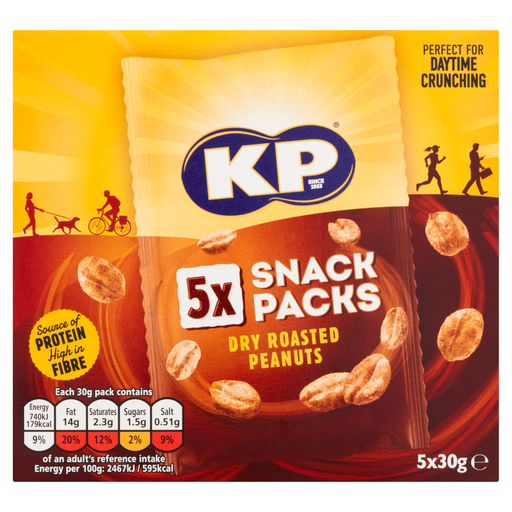
Why This Fits Their Persona: Five individual 30g packs suit work bags, lunchboxes and short snack breaks without opening one large sharing bag.
The portion format reduces repeated exposure to air and makes the serving size clear.
Peanuts account for more than 95% of the ingredients; ready to eat; 150g total across five packs.
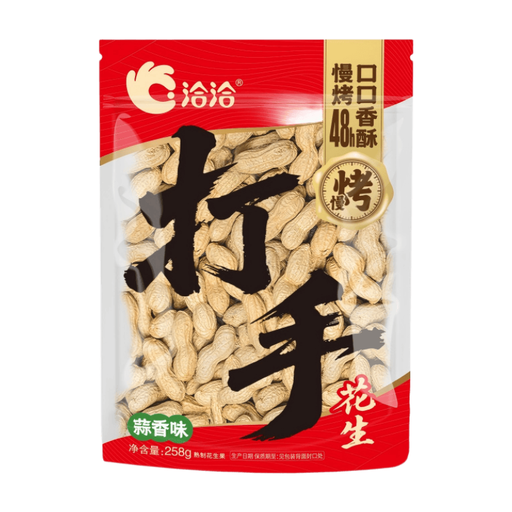
Why This Fits Their Persona: A high-peanut-content garlic option for shoppers who prefer a bold savoury flavour without a flour-based coating.
Its listed 95% peanut content makes the composition easier to compare with heavily coated alternatives.
258g pack; ready to eat; garlic seasoning with 0.5g sugar per 100g according to the supplied nutrition information.
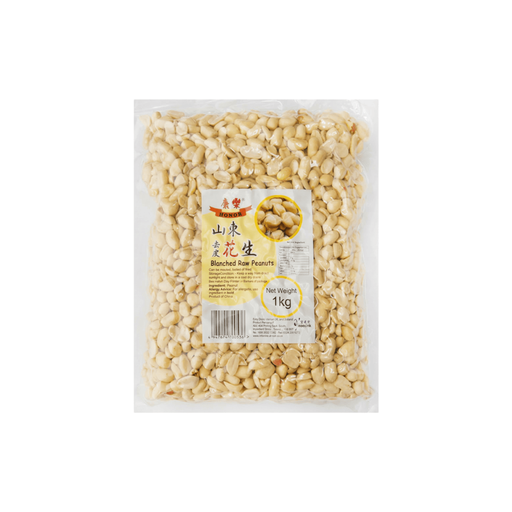
Why This Fits Their Persona: A bulk kitchen format for home cooks making sauces, peanut butter, desserts, stir-fries or roasted snacks.
The product is clearly marked as raw and requires cooking, avoiding confusion with ready-to-eat snack peanuts.
Peeled kernels; 1kg quantity; suitable for roasting, boiling, cooking and baking.
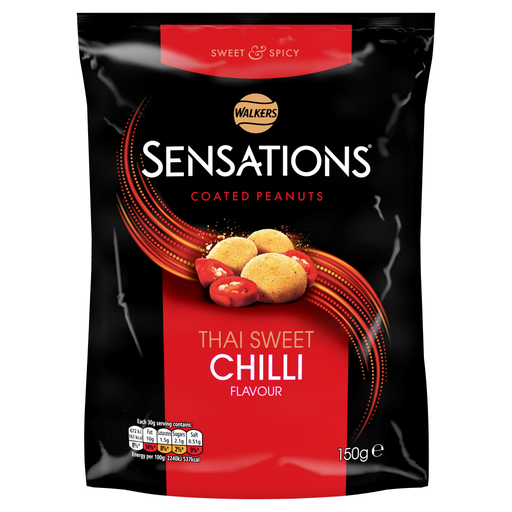
Why This Fits Their Persona: A sharing-bag option for drinks, party platters and guests who enjoy sweet chilli, onion and herb notes.
The product description states five servings per 150g bag, while the allergen information identifies wheat and soya.
Ready to eat; vegetarian; 150g sharing format with a crunchy coated texture.
We have compiled a complete, real-time list of products that fully satisfy these strict selection criteria and UK safety regulations.
Store unopened peanuts in a cool, dry place, away from direct sunlight, heat and strong odours. Once opened, reseal the bag or transfer the contents to an airtight container. This is particularly important for coated peanuts, which can soften in humid conditions.
Check the best-before information on the packaging, and do not consume products that smell rancid, appear mouldy or have an unusual colour. Whole peanuts can present a choking risk for young children. Anyone with a peanut allergy should avoid the product and review all cross-contact warnings before purchase.
No. Raw peanut kernels such as blanched cooking peanuts must be thoroughly cooked, roasted, boiled or fried before consumption. Choose a product labelled ready to eat if you want a snack straight from the bag.
Salted, dry roasted, garlic, beer-seasoned and spicy peanuts are commonly suited to drinks and party platters. For mixed preferences, serve a plain salted option alongside a stronger flavour such as wasabi, Sriracha or Sichuan-style spicy peanuts.