
24/7 Customer Support

Free returns

Same-day & Next-day Delivery

Quality Guaranteed

Unlock Your Welcome Offers: FREE Delivery | Up to 80% OFF | Free 30-day JoyPlus trial
Download the APP
Peanuts can be a convenient snack, a party-table staple or a useful ingredient for cooking and baking. However, the label on the front of a pack does not always tell you what matters most. A large bag may contain fewer actual peanuts than expected, while a flavour-led coating can add sugar, salt, wheat or soya.
Before buying peanuts, check the preparation method, serving format, ingredient list and storage instructions. The right choice depends on whether you want ready-to-eat crunch, portable portions, bold seasoning or raw peanut ingredients for your kitchen.
Raw peanuts and blanched peanut kernels are cooking ingredients, not snacks to eat straight from the packet. Product instructions should clearly state that cooking is required. Raw peanuts need to be thoroughly roasted, boiled or fried before consumption.
If you want an immediate snack, choose roasted peanuts, salted peanuts or flavoured peanuts marked as ready to eat. This distinction is particularly important when buying a family-size pack for several household uses.
Honey roasted peanuts, spicy peanuts and coated varieties can contain more than peanuts, oil and seasoning. For example, a crunchy coating may include wheat flour, soya or additional sugar. A salt and vinegar recipe may contain barley malt vinegar or flavour enhancers.
Always check the ingredients in bold, particularly if anyone eating the product has a peanut, tree nut, gluten, milk, soya, mustard or sesame allergy. Allergy information on the packaging takes priority over general product descriptions.
A family-size bag can offer useful value for sharing, but peanuts may soften after opening if exposed to air or moisture. Resealable packaging is convenient, although even a resealable bag should be closed carefully. Some products advise consuming them within a specific period after opening.
For occasional snacking, individually portioned packs can reduce waste and make quantities easier to manage. For parties or regular household use, compare the net weight and storage format rather than relying only on the pack’s appearance.
Look for the quantitative ingredient declaration, such as “peanuts 95%” or “peanuts 86%”. A higher percentage generally means less space is taken up by coatings, seasonings or sweeteners, but it does not automatically indicate a preferred taste or nutritional profile.
Coated peanuts may contain starch, wheat flour, sugar, coconut cream or soya sauce. These ingredients can change the texture and allergen profile, so read the full list before choosing a snack for guests.
Consider how the product will be used:
Peanuts are energy-dense, so use the nutrition panel to compare energy, fat, saturates, sugars and salt per 100g, as well as per serving where supplied. “High in protein” or “source of fibre” should not distract from the complete nutritional information.
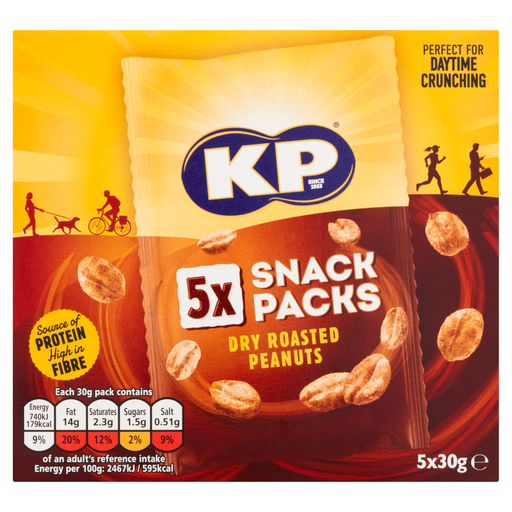
Why This Fits Their Persona: Five individual 30g packs suit commuters, office drawers and packed lunches where portion convenience matters.
The 150g total is divided into ready-to-eat portions, helping avoid opening a large bag for a single snack occasion.
Dry roasted flavour; each pack provides 179 kcal, 9g protein and 2.7g fibre according to the supplied nutrition information.
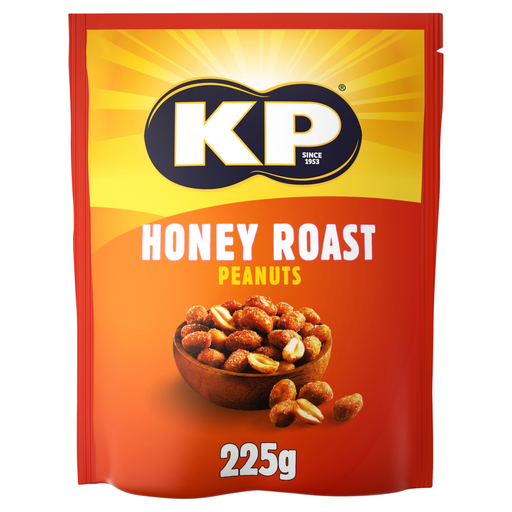
Why This Fits Their Persona: A sweet-and-savoury option for shoppers who want more flavour than plain salted peanuts for evening nibbles or sharing.
The ingredient list identifies peanuts at 86% and includes honey at 1.5%, making the sweet coating easier to assess.
225g sharing size; supplied nutrition information lists 27g protein and 7.6g fibre per 100g.
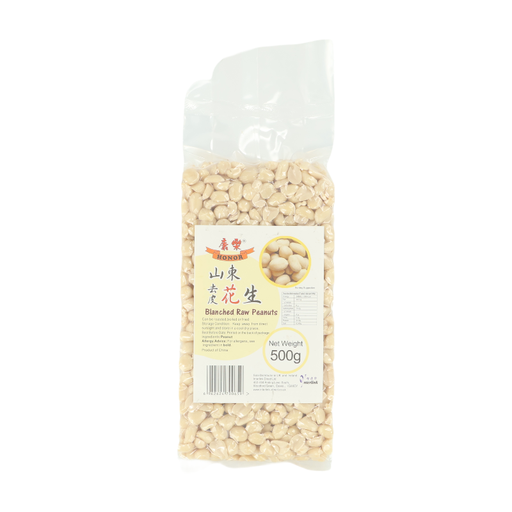
Why This Fits Their Persona: A practical kitchen ingredient for baking, peanut butter, soups, congee and other recipes requiring shelled, skinned kernels.
It is clearly identified as raw and cooking-required, avoiding the mistake of treating blanched kernels as an instant snack.
500g pack; shells and red skins have been removed, reducing preparation work before cooking.

Why This Fits Their Persona: Suitable for shoppers seeking a coated snack with a savoury, spicy kick for drinks, gatherings or adventurous snacking.
The product information states that it contains wheat, soya and mustard, and that the wasabi seasoning may be very spicy.
Ready to eat; resealable storage is recommended after opening to help maintain the coating’s crisp texture.
We have compiled a complete, real-time list of products that fully satisfy these strict selection criteria and UK safety regulations.
No. If the packaging says raw or cooking required, roast, boil or fry the peanuts thoroughly before eating. Choose a product specifically labelled ready to eat for an immediate snack.
Individually packed dry roasted peanuts, such as five 30g portions, are convenient for work bags, packed lunches and travel. Check school or workplace allergy policies before taking peanut products into shared environments.
Close the original resealable pack firmly or use an airtight container. Keep it in a cool, dry cupboard away from humidity and strong odours. For longer storage of raw peanuts, follow the product’s instructions; refrigeration may be recommended to help reduce the risk of rancidity.