Students planning several dinners
A larger pack may be useful if you will use it across multiple meals. Compare protein per 100g, then consider how much of the pack your recipes will use.


For a protein-led dinner ingredient, compare the nutrition labels on the exact packs: ASDA Groceries lists 32g of protein per 100g for its dry-roasted peanuts, while Waitrose & Partners lists 21.2g per 100g for its plain almonds. Almonds may suit a recipe that calls for an unseasoned ingredient; whichever you choose, check the pack’s salt and allergen information and plan the rest of the meal too.
A larger pack may be useful if you will use it across multiple meals. Compare protein per 100g, then consider how much of the pack your recipes will use.
Nuts can be a topping or ingredient alongside the other parts of dinner, rather than standing in for the whole meal. The NHS Eatwell Guide describes balance across a day or week, not a requirement for every individual meal.
Seasoned peanuts and plain nuts can have different salt values. Read the ingredients, nutrition panel and any precautionary allergen statement on the pack you intend to use.
Start with protein per 100g on the exact pack, then check whether its seasoning, pack size and allergen information fit the dinners you plan to make.
| Priority | What to check | Your needs |
|---|---|---|
| Protein | Compare protein per 100g on the same basis. ASDA Groceries lists 32g per 100g for its dry-roasted peanuts; Waitrose & Partners lists 21.2g per 100g for its almonds. | I want a nut ingredient that contributes protein to dinner, rather than choosing by a front-of-pack description alone. |
| Pack size | Check the pack weight and how much your planned recipes will use. A larger pack is only useful if you can make use of it. | If I cook with nuts regularly, I want enough for several meals without leaving an unwanted remainder. |
| Salt and portions | Read salt per 100g and the portion you plan to add. ASDA Groceries lists 0.77g salt per 100g for its dry-roasted peanuts; Waitrose & Partners lists 0g per 100g for its plain almonds. | For a dinner with a salty sauce or noodles, I would check what the nuts add before choosing a seasoned topping. |
| Allergens | Read the exact pack’s ingredients and precautionary statements. UK government allergen guidance lists peanuts and nuts separately. | I need to check suitability before cooking or sharing a meal; a different nut product’s label cannot answer that question for this pack. |
The difference can matter when protein is the reason for adding nuts to dinner: ASDA Groceries lists 32g per 100g for its dry-roasted peanuts, compared with 21.2g per 100g for the almonds listed by Waitrose & Partners.
Compare the nutrition panels per 100g on the products you are considering, then use the amount your recipe calls for.
Seasoning changes what the nuts contribute alongside sauces and other ingredients. The checked ASDA dry-roasted peanuts list 0.77g salt per 100g.
Check salt on the pack and decide whether a seasoned or plain ingredient works with the rest of the dish.
Peanuts and tree nuts are distinct allergens in UK government guidance, and precautionary statements can differ between products.
Read the current ingredients and any precautionary statement on each pack before using it, particularly when sharing food.
Its checked 500g dry-roasted peanut pack is a seasoned option for toppings or recipes.
Tesco Groceries lists own-label dry-roasted and salted peanut options in 550g packs.
The checked KP Dry Roasted Peanuts 250g are a branded, seasoned option.
These peanut and almond packs offer ingredients for student dinners, including raw peanuts for recipes and roasted peanuts for a topping. Compare each pack’s nutrition and allergen label before deciding which fits your meal.
 No image available
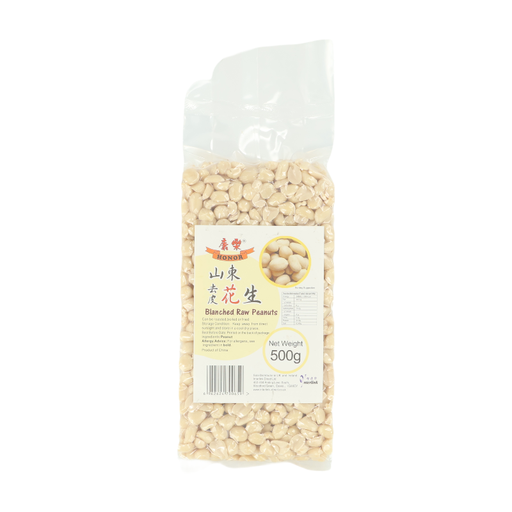
Blanched peanut kernels for a recipe that calls for peanuts; the pack contains 500g. Check its preparation directions, nutrition label and allergen information before use.
 No image available
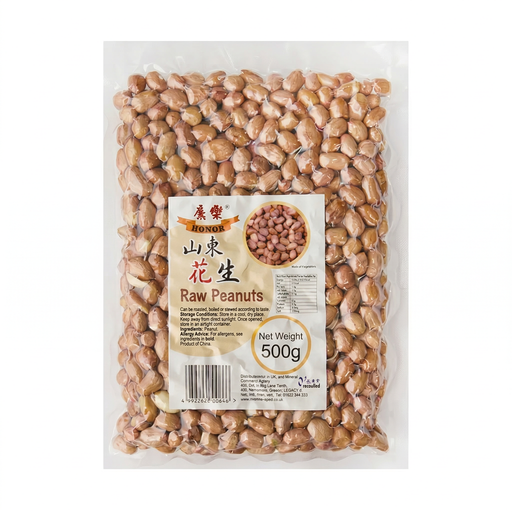
A 500g pack of raw peanuts for a cooked dinner recipe. Follow the pack’s preparation directions and check its nutrition and allergen information.
 No image available
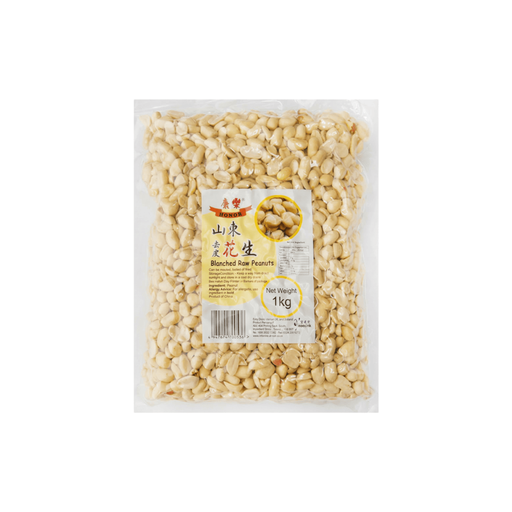
A 1kg pack of blanched peanut kernels to consider if your planned dinners use that quantity. Check preparation directions, nutrition and allergens on this pack rather than relying on another size.
 No image available
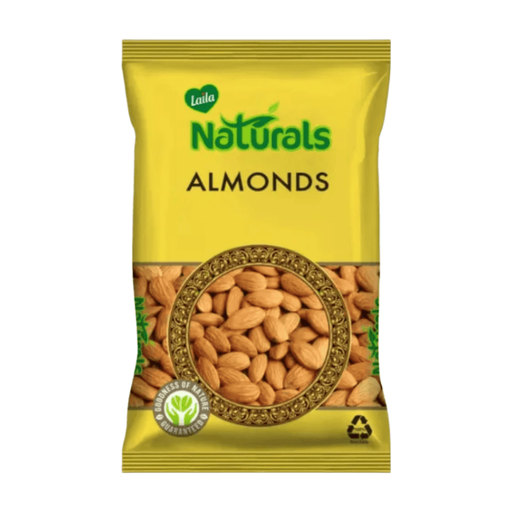
An almond option for dinners that call for almonds rather than peanuts, in a 500g pack. Check this product’s nutrition, ingredients and allergen label before comparing it with peanut packs.
 No image available
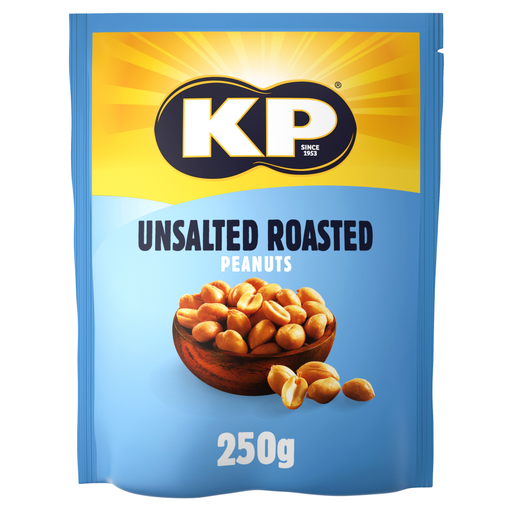
Unsalted roasted peanuts in a 250g pack for a dinner topping. Check this variant’s own nutrition and allergen label; the figures for KP Dry Roasted Peanuts do not describe this product.
ASDA Groceries lists 32g protein per 100g for its dry-roasted peanuts, compared with 21.2g per 100g for the plain almonds listed by Waitrose & Partners. Those figures apply to the named packs, so check the label when choosing another product.
Plain almonds may fit a recipe that calls for an unseasoned ingredient. The checked Waitrose & Partners almonds list 0g salt per 100g, while the checked ASDA dry-roasted peanuts list 0.77g; compare the exact packs if salt matters to your choice.
Choose according to the recipe and the other ingredients: a seasoned topping changes the salt and flavour of a dish, while a plain ingredient leaves that seasoning decision to you. Read salt per 100g on the pack rather than assuming all roasted or plain products are alike.
Read the ingredients and any precautionary allergen statement on the specific pack. UK government allergen guidance distinguishes peanuts from nuts, so a label for one product cannot establish whether another is suitable.
Nuts can be one component of dinner rather than the entire meal. The NHS Eatwell Guide describes a mix of food groups and other protein foods across a day or week, so consider what else the meal contains.