Protein-focused weekly shoppers
If peanuts are a regular snack or recipe ingredient, compare the nutrition panels per 100g, then look at the portion you expect to use. A larger protein figure on its own does not describe the rest of the product.


For a weekly shop, compare protein and salt per 100g rather than choosing peanuts by flavour or a front-of-pack phrase alone. ASDA Groceries lists 32g protein and 0.77g salt per 100g for its dry-roasted peanuts; if listed salt matters more, Tesco Jumbo Peanuts have 25.8g protein and less than 0.01g salt per 100g, while the Sainsbury’s listing for KP Unsalted Roasted Peanuts shows 30g protein and less than 0.5g salt per 100g. Pack size, ingredients and allergen statements can change which option suits your household.
The useful comparison depends on whether protein, listed salt or a pack you can use during the week matters most.
If peanuts are a regular snack or recipe ingredient, compare the nutrition panels per 100g, then look at the portion you expect to use. A larger protein figure on its own does not describe the rest of the product.
Plain, unsalted and seasoned peanuts have different listed salt values. Check the exact pack rather than assuming that all roasted products have a similar nutrition panel.
A larger packet may suit a household that uses peanuts often. Check its storage instructions and whether you can finish it within any stated period after opening.
Start with protein and salt on the same per-100g basis. Then check the ingredients, allergen information and pack size for the way your household will use the peanuts.
| Priority | What to check | Your needs |
|---|---|---|
| Protein | Compare grams per 100g, then check the labelled serving size before comparing portions. ASDA Groceries lists 32g per 100g for its dry-roasted peanuts; Sainsbury’s lists 30g for KP Unsalted Roasted Peanuts. | I want to compare products on the same basis, but I also need to know how much I would use at a time. |
| Salt | Read salt per 100g alongside protein. Tesco lists less than 0.01g for Jumbo Peanuts, while the Sainsbury’s listing for KP Dry Roasted Peanuts shows 1.6g. | For a snack I buy repeatedly, the seasoning matters as well as the protein figure. |
| Claims | Use the nutrition table for a grams-per-100g comparison; do not treat different front-of-pack protein phrases as numerical equivalents. | I want the declared amount of protein, not just a phrase on the front of the packet. |
| Allergens | Check the current ingredients and may-contain statement for the exact product. Statements can differ between plain and flavoured peanuts. | In a shared household, I need to check for allergens beyond peanuts that matter to the people eating them. |
| Pack and storage | Choose a quantity you can use and store as directed. The Sainsbury’s listing for KP Dry Roasted Peanuts says to consume them within seven days of opening. | A bigger pack only works for my weekly shop if we can use it within its storage instructions. |
The highest protein figure among these checked retailer listings comes from ASDA Dry Roasted Peanuts, which ASDA Groceries lists at 32g protein and 0.77g salt per 100g. That salt figure matters if you are comparing them with plain peanuts for regular use.
Put the protein and salt figures side by side per 100g, then check the serving size you would actually eat.
“Source of protein” and “high protein” are different label phrases; neither tells you the grams of protein in your intended portion.
Read the nutrition table and its per-100g and per-serving figures when making a product comparison.
Other ingredients and may-contain statements can vary by product. A familiar peanut brand or an unsalted label does not replace the allergen information on the pack.
Check the current label for the exact variant, particularly when anyone sharing the food has an allergy.
Pack size is useful only if it fits how often your household eats or cooks with peanuts. The Sainsbury’s listing for KP Dry Roasted Peanuts specifies seven days after opening.
Check the product’s own storage and after-opening directions before choosing a larger pack.
These examples refer to particular peanut products and their retailer listings, not to every product made by each brand.
ASDA’s checked 200g dry-roasted and salted peanuts offer two different seasoning choices for a weekly shop.
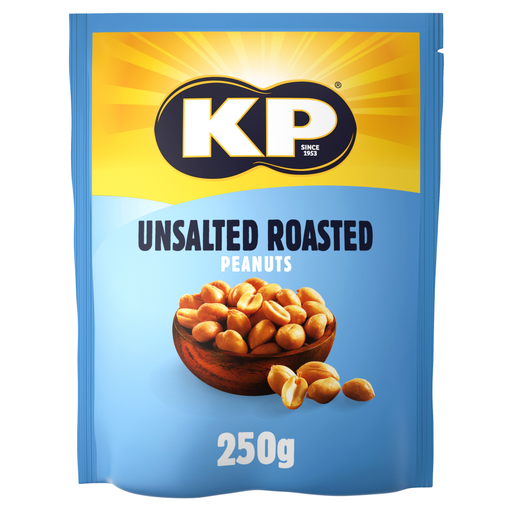
The checked 250g unsalted roasted and dry-roasted KP products show why the seasoning choice matters within one brand.
Tesco Jumbo Peanuts are a checked plain-peanut option in a 300g pack.
The checked Sainsbury’s Fairtrade Peanuts come in a 100g pack for shoppers who prefer a smaller quantity.
Marks & Spencer lists a 300g roasted-peanut product. Check its current nutrition panel if you want to compare its protein and salt figures with another pack.
These options include unsalted roasted peanuts for snacking or recipes and raw peanuts for cooking; check each pack’s nutrition and preparation directions for your weekly shop.
 No image available
A 250g unsalted roasted option if you want peanuts ready for snacking or recipes. Check the pack’s protein, salt, allergen and after-opening information for your household.
 No image available
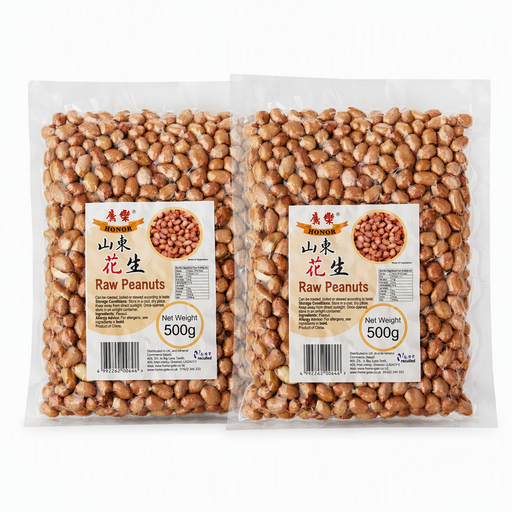
Two 500g packs for a household that cooks with raw peanuts. These are not a ready-to-eat roasted snack: check the pack’s preparation, storage, nutrition and allergen directions before buying.
 No image available
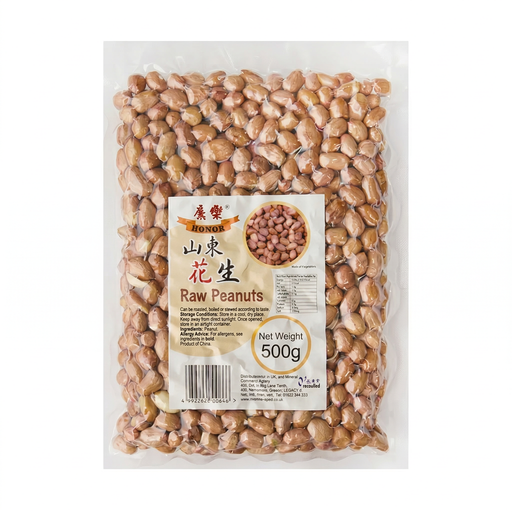
A single 500g pack if that quantity better matches your cooking plans. Check how to prepare the raw peanuts and read the exact pack’s nutrition, storage and allergen information.
ASDA Groceries lists 32g protein per 100g for ASDA Dry Roasted Peanuts, the highest figure among the five products in the supplied retailer comparison. The same listing shows 0.77g salt per 100g, so compare salt as well if this will be a regular purchase.
Tesco Groceries lists less than 0.01g salt per 100g for Tesco Jumbo Peanuts, alongside 25.8g protein. Sainsbury’s lists less than 0.5g salt and 30g protein per 100g for KP Unsalted Roasted Peanuts. Compare those figures with the pack size and ingredients you want.
No. Check the nutrition table for protein per 100g and the labelled serving size, then relate those figures to the quantity you expect to eat. That gives you a clearer product comparison than the front-of-pack phrase alone.
No. The Food Standards Agency identifies peanuts as legumes, not tree nuts. An individual peanut product may still carry a may-contain statement for tree nuts or other allergens, so check the current label of the exact pack.
Check whether you can store and use it as the product directs after opening. For example, the Sainsbury’s listing for KP Dry Roasted Peanuts says to consume the contents within seven days of opening; follow the directions for the particular pack you buy.