
24/7 Customer Support

Free returns

Same-day & Next-day Delivery

Quality Guaranteed

Unlock Your Welcome Offers: FREE Delivery | Up to 80% OFF | Free 30-day JoyPlus trial
Download the APP
Peas and edamame can look similar on a product page, but they serve very different purposes. Frozen garden peas are convenient for family meals, edamame beans suit salads and Asian-inspired dishes, while wasabi peas and pea snacks are designed for immediate eating. Choosing the wrong format can leave you with a soggy side dish, an overly salty snack or a freezer bag that does not suit your cooking routine.
This guide explains the main buying pitfalls, the specifications worth checking and a selection of products matched to different UK households.
Edamame pods contain young soya beans and are usually boiled or steamed before the beans are squeezed out. Shelled edamame is ready to add directly to stir-fries, rice dishes, soups and salads.
If you want a quick appetiser or barbecue side, edamame pods create a more traditional serving experience. For batch cooking, shelled edamame avoids the extra preparation and reduces waste. Always check whether the pack contains edamame with skin, edamame pods or shelled beans.
Wasabi peas and other pea snacks are crunchy, seasoned products rather than plain cooked pulses. Their nutrition panels can show considerably more fat, carbohydrate and salt than frozen or tinned peas. For example, the listed nutrition for Yutaka Wasabi Peas is 2.5g of salt per 100g, while Morrisons Petit Pois lists 0.05g of salt per 100g drained.
That does not make pea snacks unsuitable, but it does mean they should be selected for snacking or garnishing rather than used as an everyday vegetable replacement.
Frozen peas and edamame need a freezer at -18°C or below, and many products state that they should not be refrozen after thawing. Tinned peas and chickpeas are easier to store, but opened contents generally need refrigeration and consumption within two days.
Ready-to-eat pickled cowpeas, pea samosas and snacks have different storage requirements. Check the label before buying several packs, especially if you have limited freezer space or are ordering for a small household.
Choose the format around the meal you are planning:
Plain products may contain only peas, edamame or water. Processed products can include wheat, soya, dairy, oils, flavour enhancers, chilli and preservatives.
This is particularly important for allergy-conscious shoppers. The HONOR Edamame Shells list soya as an allergen, while Yutaka Wasabi Peas contain wheat and soya and may contain milk, mustard and sesame. Napolina Chick Peas in Water contain sulphites. Read the ingredient list and bold allergen declaration every time, even if you have bought a similar product before.
Compare nutrition per 100g rather than relying only on front-of-pack wording. Plain peas and edamame may provide fibre and protein as part of a varied diet, but seasoned snacks can contain added oil, sugar or salt.
Pack size also affects value. A 55g pea snack is designed for occasional eating, whereas an 800g bag of garden peas is more suitable for families, meal preparation or frequent cooking. With edamame pods, remember that part of the pack weight includes the inedible pod.
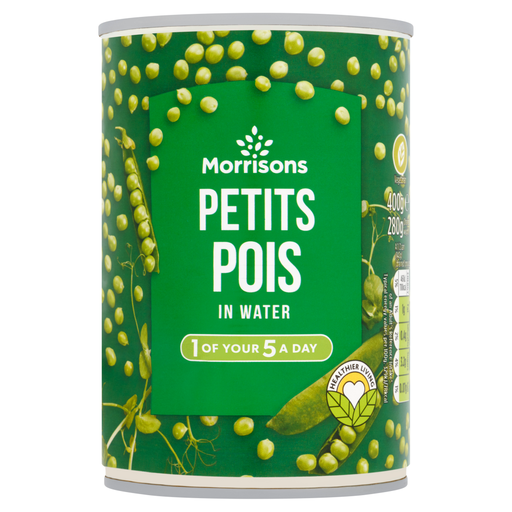
Why This Fits Their Persona: A straightforward ambient option for students, smaller households and shoppers who want peas without using freezer space.
The ingredient list is peas and water, helping you avoid unnecessary flavourings in a basic side dish.
Ambient storage before opening; 400g can; suitable for vegetarians.
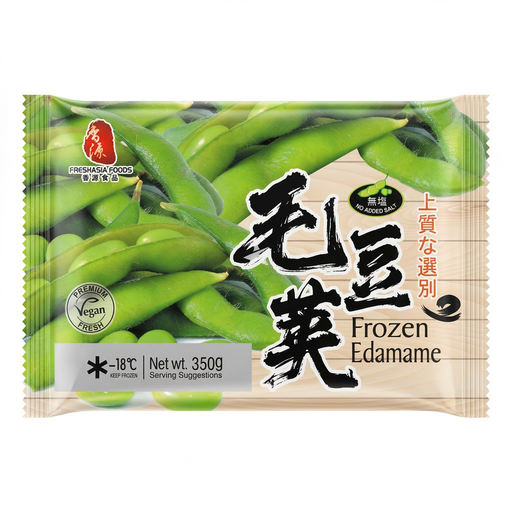
Why This Fits Their Persona: A focused choice for shoppers who want whole edamame pods for appetisers, salads or Asian-style meals.
The product is clearly identified as edamame in pods rather than a generic mixed vegetable product.
100% edamame in pods; cook from frozen in boiling salted water for approximately 4–5 minutes.
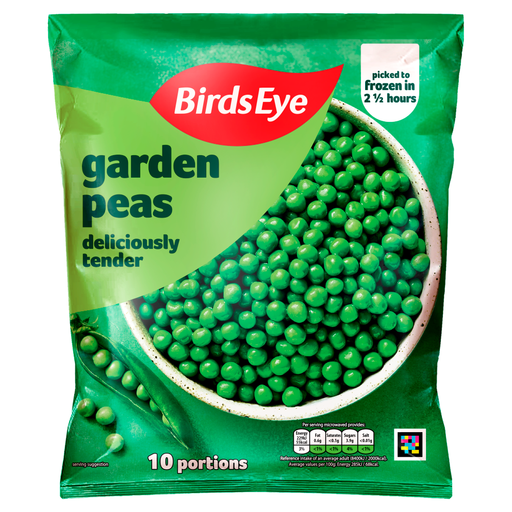
Why This Fits Their Persona: Designed for regular cooking, family portions and meal preparation where a larger freezer pack is practical.
It is clearly labelled as 100% garden peas, avoiding confusing sauces, coatings or mixed pulse ingredients.
800g pack; microwave and hob instructions; cook straight from frozen.
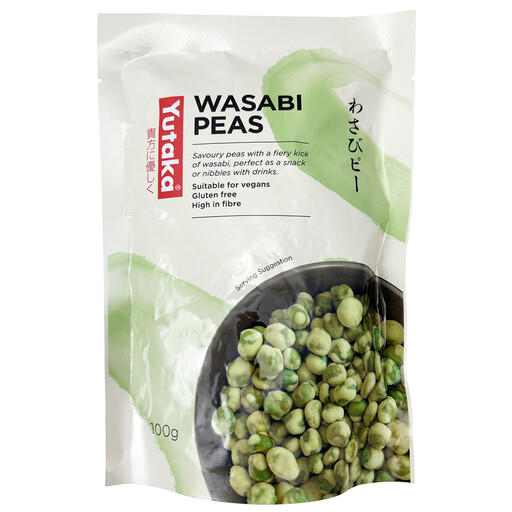
Why This Fits Their Persona: A ready-to-eat Japanese-style snack for sharing bowls, drinks or adding crunch to noodle dishes and salads.
The strong wasabi flavour and seasoned coating are clearly described, so it is not mistaken for plain green peas.
100g pack; ready to eat; can be used whole or crushed as a topping.
We have compiled a complete, real-time list of products that fully satisfy these strict selection criteria and UK safety regulations.
Frozen peas usually require freezer space and cooking, but they are useful for repeated meals and larger portions. Tinned peas can be stored in a cupboard before opening and are ready to heat after draining. The suitable option depends on storage space, portion size and how often you cook.
Follow the pack directions. Freshasia Frozen Edamame states that the pods can be cooked from frozen in boiling salted water for approximately four to five minutes. Drain them and season if desired. The outer pod is generally used to hold and squeeze out the beans rather than eaten whole.
They can be included occasionally, but compare the nutrition panel with plain peas or edamame. Wasabi peas are coated and seasoned, so their salt, oil and calorie content may be higher than unseasoned vegetables. Portioning them into a bowl instead of eating directly from the packet can make quantities easier to monitor.