
24/7 Customer Support

Free returns

Same-day & Next-day Delivery

Quality Guaranteed

Unlock Your Welcome Offers: FREE Delivery | Up to 80% OFF | Free 30-day JoyPlus trial
Download the APP
Pecan snacks can cover several shopping needs: a small treat for your desk, a shareable pack for a film night, a baking ingredient or a portable option for travel. However, attractive packaging does not always tell you how much pecan is inside, how sweet or salty the product is or whether the format will suit your routine.
Before buying, watch for three common pitfalls:
Ingredients are generally listed by weight, so the first few entries show what makes up most of the product. A pack containing 80% pecans, such as ChaCha Pecan Kernels with Maple Syrup & Lime, gives a clearer indication of its nut content than a product where pecan appears near the end of the list.
For pecan sunflower seeds, check whether the product is primarily sunflower seeds with a pecan seasoning rather than a nut-and-seed mix. One listed option contains 92.58% sunflower seeds and 0.3% Chinese pecan, making it more suitable for shoppers wanting a pecan-style flavour alongside a seed-based snack.
Also look for terms such as pecan kernels or pecan halves. Kernels are ready to eat and work well in snacks, while halves are particularly practical for topping porridge, salads and desserts.
UK food labels normally provide nutrition information per 100g, which makes comparison easier between brands and formats. Nuts are naturally energy-dense, so compare:
For example, the listed maple-and-lime pecan snack provides 667 kcal, 59.5g fat and 0.28g salt per 100g. The listed pecan-flavoured sunflower seeds provide 600 kcal, 26.1g protein and 2.245g salt per 100g. These figures show why checking the label matters: a savoury seed snack may contain considerably more salt than a lightly seasoned nut product.
Choose the format around how you intend to eat it:
All pecan products should be checked for tree nut allergen information. Some products may also contain milk, soya, wheat, oats, hazelnuts or other nuts. Read the current packaging before purchase, particularly if the snack is intended for a lunchbox or shared setting.
Packaging may also contain a desiccant or oxygen absorber. These items are not edible and should be removed before eating. Store products in a cool, dry place and reseal them promptly after opening to help preserve texture.
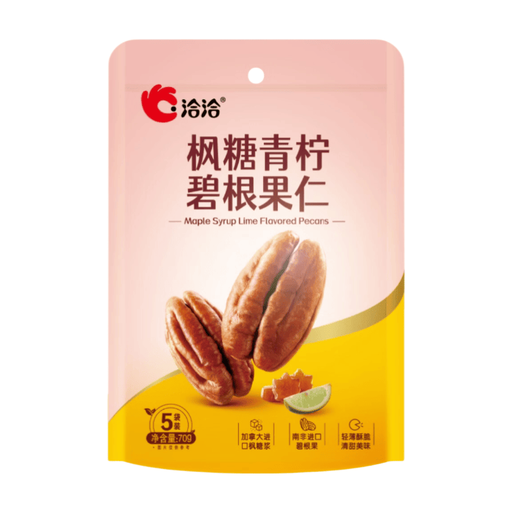
Why This Fits Their Persona: A compact 70g pack gives occasional snackers a ready-to-eat option without committing to a large bag. The maple and lime combination adds sweetness with a slightly tangy flavour.
The label states 80% pecans, so the nut content is clear. The nutrition panel also identifies the energy, sugar, fat and salt values per 100g.
Individually packed, non-fried roasted nuts; ready to eat and easy to share.
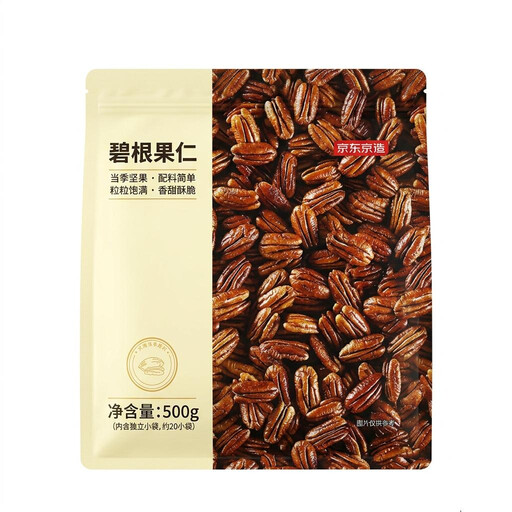
Why This Fits Their Persona: The 500g format suits shoppers who value larger whole pieces for serving, baking or keeping a regular supply at home.
The product description specifies pecan nuts at 87.6% and identifies added sugar and salt rather than presenting the snack as plain nuts.
Large whole pecan halves; ready to eat and suitable for home snacking or recipes.
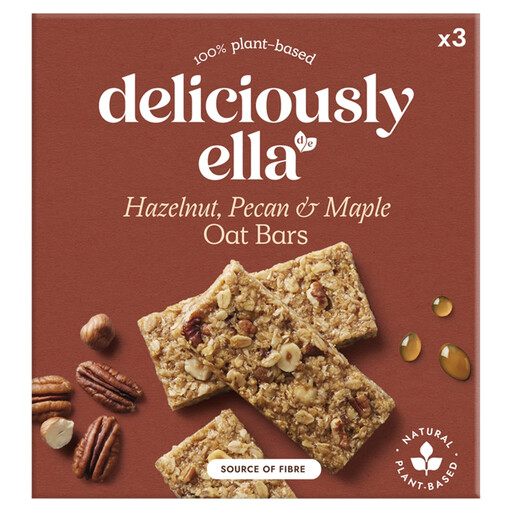
Why This Fits Their Persona: Individually portioned oat bars are convenient for commuting, desk drawers, lunch bags and travel when loose nuts are less practical.
The pack lists 6% pecan nuts, 46% gluten-free oats and 0.5% maple syrup, making its composition clearer than a vague “nut bar” description.
Each 50g bar provides 244 kcal; the multipack format is easy to store and distribute throughout the week.
We have compiled a complete, real-time list of products that fully satisfy these strict selection criteria and UK safety regulations.
For a classic savoury option, pecan-flavoured sunflower seeds are designed for casual snacking and sharing. Compare the salt level and note whether the ingredients include sweeteners such as acesulfame K or sucralose.
Plain or lightly seasoned roasted pecans can be used directly from the pack, sprinkled over meals or incorporated into baking. A 100g pack may suit occasional use, while 250g formats offer more flexibility without the commitment of a bulk bag.
If you prefer a dessert-style product, pecan chocolate combines nuts with sugar and cocoa ingredients. Treat it as confectionery rather than a plain nut snack and compare the saturated fat and sugar figures before choosing a bar for sharing.
Individually packed nuts, pecan snack packs and oat bars are convenient for bags, desks and journeys. Check the allergen information before opening them in shared workplaces, trains or classrooms, as pecans and other tree nuts can present a serious risk to some people.
Keep them sealed in a cool, dry place away from direct sunlight and follow the packaging instructions. Consume them promptly after opening, particularly if the pack is not resealable. Avoid eating any desiccant or oxygen absorber included inside the packaging.
A larger pack of pecan halves or kernels is practical for frequent snacking, salad toppings and baking. For portion convenience, choose ready-to-eat nut snacks in smaller packs or a multipack of pecan and maple oat bars. Always compare the net weight, ingredient percentages and nutrition per 100g rather than judging value from pack size alone.