
24/7 Customer Support

Free returns

Same-day & Next-day Delivery

Quality Guaranteed

Unlock Your Welcome Offers: FREE Delivery | Up to 80% OFF | Free 30-day JoyPlus trial
Download the APP
Tired of looking at that dated kitchen lino or the uninspired flooring in your bathroom? A full renovation can be costly, time-consuming and often not an option for renters. Fortunately, there's a simple and stylish solution that can transform a room in a single afternoon: peel and stick floor tiles.
This guide is designed to help you navigate the world of DIY flooring. We'll walk you through what to look for when choosing your tiles and share some of our top recommendations to help you achieve a fresh new look with minimal fuss and maximum impact.
Before you start adding tiles to your basket, a little planning goes a long way. Considering these key points will help ensure your project is a success from start to finish.
The single most important factor for a long-lasting finish is the surface you're applying the tiles to. Self adhesive floor tiles require a clean, dry and completely smooth foundation to adhere properly. They work well over existing vinyl, laminate or sealed concrete. If you plan to lay them over ceramic tiles, you may need to fill in deep grout lines with a levelling compound first to avoid indentations showing through over time. Always avoid applying them to damp, uneven or heavily textured surfaces.
Think about where the tiles will be used. For areas prone to splashes and spills, such as in bathroom flooring or as kitchen floor tiles, look for products that are explicitly described as water resistant and washable. For high-traffic areas like hallways, durability is key. Most modern vinyl floor tiles are designed to withstand normal household foot traffic, but checking the material specifications, such as the use of virgin vinyl and a permanent adhesive, can give you extra peace of mind.
This is the fun part. Patterned vinyl flooring offers an incredible opportunity to inject personality into your home. From bold geometric designs that make a statement to subtle, classic patterns that create a sense of calm, the options are vast. Consider the existing colours and decor in your room. A striking pattern can become a focal point, while a neutral tile can provide a sophisticated and timeless backdrop for your furniture and accessories.
Here are a few standout options that combine style, practicality and ease of installation.
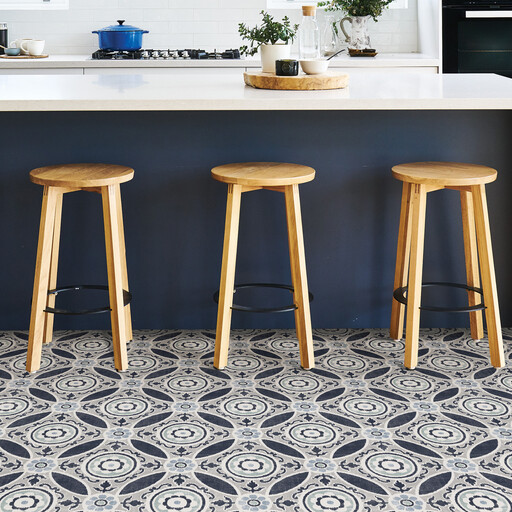
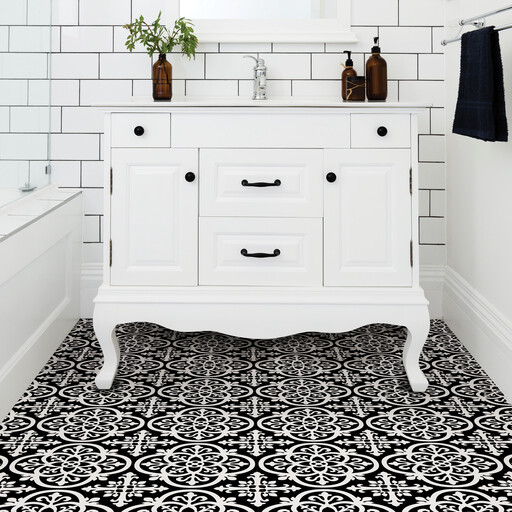
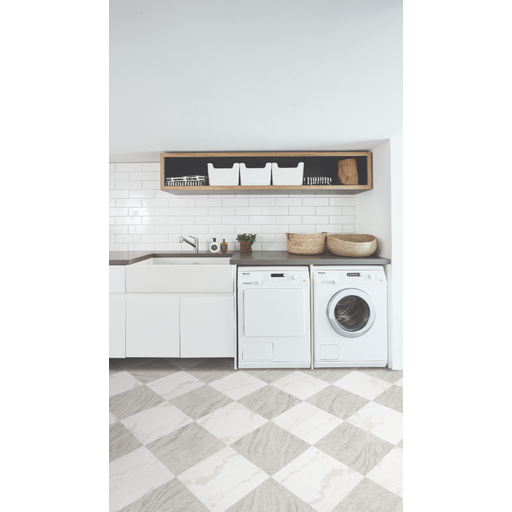
If the patterns above aren't quite what you had in mind for your project, don't worry. The beauty of vinyl floor tiles lies in their variety. Whether you're after a wood effect, a colourful mosaic or a simple stone look, there's a design to suit every taste.
Explore our full collection of stylish and practical options. Discover more designs in our Kitchen vinyl floor tiles category.
When installed correctly on a suitable surface, they are surprisingly durable. Most are made from hard-wearing virgin vinyl and use a permanent adhesive designed to withstand normal household foot traffic. The key to longevity is meticulous surface preparation—ensure your floor is clean, smooth and dry before you begin.
Yes, this is often possible, but with an important condition. The existing tiled surface must be smooth and flat. If your current floor has deep or wide grout lines, these can create indentations that will show through the new tiles over time. To prevent this, it's recommended to fill the grout lines with a floor levelling compound to create a perfectly flat surface before application.
Cleaning is straightforward. Because they are water resistant and washable, you can simply use a damp mop and a mild, pH-neutral floor cleaner. It is advisable to avoid using harsh, abrasive chemicals or scouring pads, as these could potentially damage the tile's surface finish.