
24/7 Customer Support

Free returns

Same-day & Next-day Delivery

Quality Guaranteed

Unlock Your Welcome Offers: FREE Delivery | Up to 80% OFF | Free 30-day JoyPlus trial
Download the APP
Tired of staring at the same four walls but hesitant to commit to the time, cost and permanence of traditional decorating? Whether you are a renter looking for a damage-free update or a homeowner seeking a quick and impactful change, peel and stick wallpaper offers a brilliant solution. This versatile material allows you to create a stunning feature wall wallpaper, upcycle tired furniture or add a splash of personality to any room without the need for messy paste or professional help.
As the Joybuy Product Recommendation Officer, my role is to help you navigate the options. This guide will walk you through key considerations for choosing the right self-adhesive wallpaper and highlight a few standout options to inspire your next DIY wallpaper project.
Choosing the right stick on wallpaper involves more than just picking a pattern you love. Here are a few practical points to keep in mind to ensure a smooth application and a lasting finish.
Surface Suitability is Key: Self-adhesive wallpaper performs best on smooth, clean and dry surfaces. Freshly painted walls should be allowed to cure for at least four weeks before application. Avoid applying it to textured walls, unprimed plaster or in areas with high humidity and direct water contact, like inside a shower. A smooth, well-prepared surface is crucial for good adhesion and easy removal.
Material and Finish: Most peel and stick options are a form of vinyl wallpaper. This makes them durable, scrubbable and often water-resistant, which is ideal for kitchens or children's rooms. Pay attention to the finish—whether it's matte, gloss or textured—as this will affect the final look and how it interacts with light in your room.
Measure Twice, Buy Once: Always measure the height and width of your intended area to calculate the total square metreage. It is wise to purchase about 10% more than you need to account for pattern matching and any potential mistakes. Check the roll dimensions and coverage area listed on the product, as these can vary significantly between designs.
Here are a few recommendations that showcase the variety and potential of peel and stick wallpaper, selected for their design and practical features.
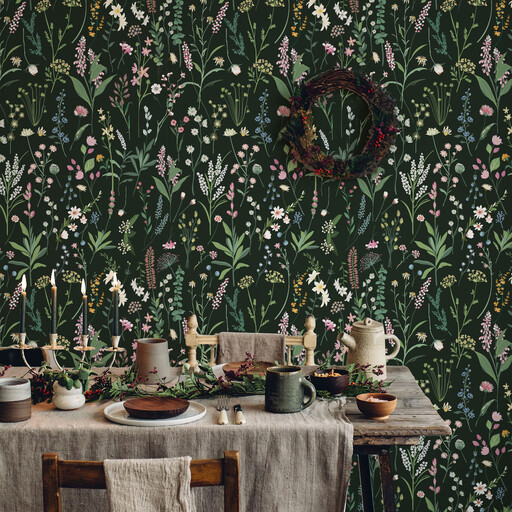
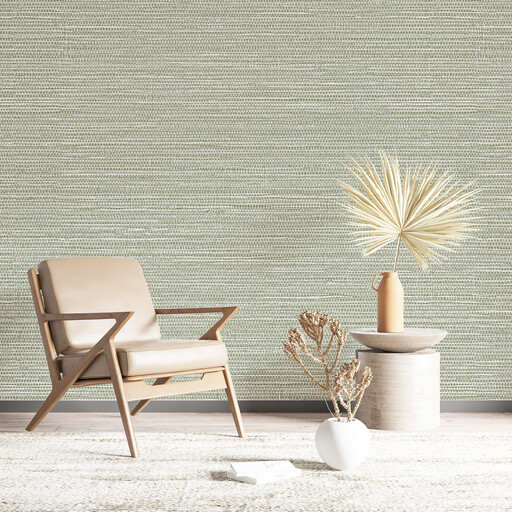
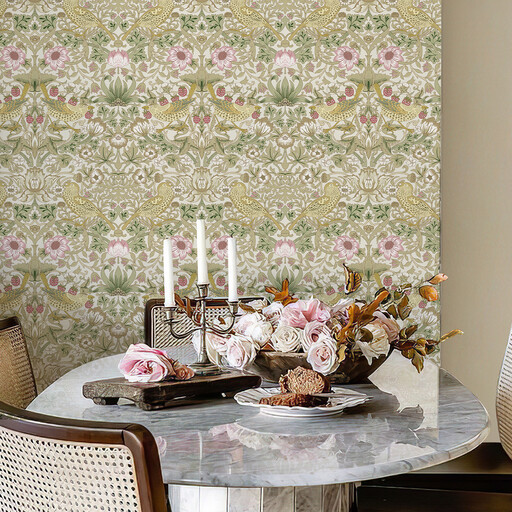
While our recommendations cover a range of styles, you might have a specific colour in mind for your project. If you're searching for something bright and sunny to bring warmth into your home, explore our curated collection of yellow vinyl options to find the perfect match.
1. Is peel and stick wallpaper easy to remove? Generally, yes. High-quality self-adhesive wallpaper is designed to be removable without damaging the surface, which is why it's so popular with renters. However, the ease of removal can depend on the wall's condition, the duration it has been applied and exposure to direct sunlight or heat. It is always a good idea to apply a small test patch in an inconspicuous area first.
2. Can you apply stick on wallpaper over existing wallpaper? This is not recommended. For the best adhesion and a smooth finish, peel and stick wallpaper needs to be applied to a clean, flat surface. Applying it over existing wallpaper, especially if it's textured or vinyl-coated, can lead to poor adhesion, bubbling and peeling edges. Always remove old wallpaper and prepare the wall before application.
3. How do you prevent peel and stick wallpaper from peeling at the edges? Proper preparation and application are the best prevention. Ensure the wall is completely clean, free of dust and grease and fully dry. When applying, work slowly and use a squeegee or flat card to smooth the paper from the centre outwards, eliminating all air bubbles. Pay special attention to pressing the seams and edges down firmly to ensure a secure bond.