
24/7 Customer Support

Free returns

Same-day & Next-day Delivery

Quality Guaranteed

Unlock Your Welcome Offers: FREE Delivery | Up to 80% OFF | Free 30-day JoyPlus trial
Download the APP
Tired of staring at the same four walls but hesitant to commit to the cost and permanence of paint or traditional wallpaper? Whether you are a renter looking for a damage-free decorating solution or a homeowner seeking a quick and stylish update, peel and stick wallpaper offers a versatile and affordable way to transform your space.
This guide is designed to help you navigate the options. We will cover key considerations for choosing the right product and highlight a few of our top recommendations to help you get started on your next DIY project.
Choosing the right self adhesive wallpaper involves more than just picking a pattern you like. To ensure a smooth application and a professional-looking finish, keep these points in mind.
The success of your project largely depends on the surface you are covering. Peel and stick wallpaper adheres best to smooth, flat and clean surfaces. Think painted drywall (with a satin or semi-gloss finish), sealed wood, glass or metal. Avoid applying it to heavily textured walls, unprimed drywall or surfaces with a matte or flat paint finish, as the adhesive may not bond properly or could damage the paint upon removal. Always clean the surface with a mild detergent to remove any dust or grease before you begin.
Most modern peel and stick options are a form of vinyl wall covering. This is beneficial because vinyl is durable, easy to wipe clean and resistant to moisture, making it suitable for kitchens and bathrooms (though it's wise to avoid areas with direct, heavy water splashes). When looking at options, check the material specifications. A thicker vinyl is often more forgiving during application and more resilient to daily wear and tear, making it a great choice for a DIY furniture wrap on high-traffic items like cabinets or dressers.
A simple, repetitive pattern or a solid colour is generally more straightforward for beginners. Complex or large-scale patterns, like a dramatic marble contact paper or a precise black slatted wood wallpaper, require careful alignment from one panel to the next. Always purchase about 10% more wallpaper than your measurements suggest. This extra material provides a buffer for mistakes, pattern matching and any future repairs.
Here are a few standout options that cater to different styles and projects, from creating a striking feature wall wallpaper to giving old furniture a new lease on life.
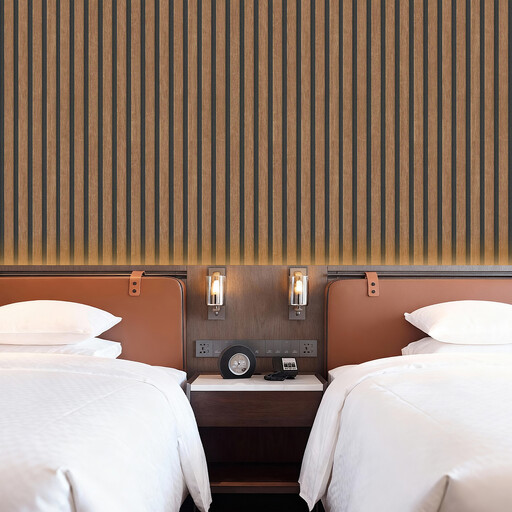
Why It Stands Out: This wallpaper delivers the sophisticated, architectural look of fluted wood panels without the complex installation. The vertical lines create an illusion of height, while the deep black colour adds a touch of modern drama. It is an excellent way to create a focal point behind a TV, bed or in an entryway.
Pros:
Who is it for? This is for the DIYer aiming for a sharp, minimalist or industrial aesthetic. It is particularly effective in smaller doses where it can add texture and depth without overwhelming the room.
View Murgall Black Slatted Wood Wallpaper
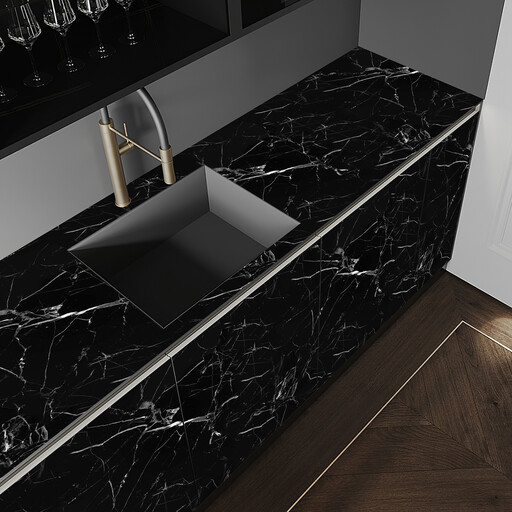
Why It Stands Out: Offering the bold elegance of natural stone, this black marble-effect wallpaper makes a powerful statement. The high-contrast white veining adds visual interest and prevents the dark surface from feeling flat. It is an ideal choice for a DIY furniture wrap or as contact paper for cabinets to create a luxurious feel on a budget.
Pros:
Who is it for? This is for someone looking to add a touch of glamour and drama. It is perfect for smaller projects like covering a console table, lining shelves or creating a striking feature panel in a bathroom or entryway.
View Murgall Black Marble Wallpaper
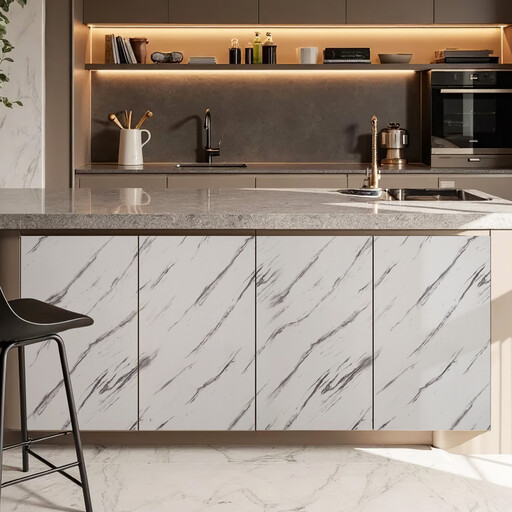
Why It Stands Out: If you want the elegance of marble without the darkness, this bright white version is an excellent choice. It helps make a space feel lighter and more open while adding a subtle, polished texture. Its classic and clean appearance makes it incredibly versatile for kitchens, bathrooms and furniture upcycling projects.
Pros:
Who is it for? This is a great all-rounder for anyone wanting a fresh, clean and sophisticated update. It is especially well-suited for brightening up kitchen cabinets, bathroom vanities, or creating a light and elegant renter friendly wall decor feature.
View Murgall Bright White Marble Wallpaper
If these styles are not quite what you had in mind, there is a wide world of patterns, colours and textures to discover. From bold geometrics to subtle linens, the right design for your project is out there.
To see more, explore our full range of peel and stick wallpaper and find the perfect match for your home.
Yes, for the most part. High-quality removable wallpaper is designed to be taken down without damaging the surface underneath, provided the surface was suitable and properly prepared in the first place (e.g., a wall with a gloss or satin paint finish). To remove it, gently warm the surface with a hairdryer to soften the adhesive and peel it away slowly at a 45-degree angle.
This is not recommended. For the best adhesion and a smooth finish, self adhesive wallpaper needs a clean, non-porous surface. Applying it over existing wallpaper, especially if it is textured or has a weak bond to the wall, can lead to peeling, bubbling and an uneven finish. It is always best to remove the old wallpaper first.
The key is to work slowly and methodically. After aligning the top of your panel, peel back only the first few inches of the backing paper. Press the wallpaper to the wall and use a plastic smoother or a credit card to smooth it down from the centre outwards. Continue peeling the backing away a little at a time while smoothing as you go. This pushes air out and prevents bubbles from forming.