
24/7 全天候客户支持

免费退货

当日/次日达

品质保障

开启新人专享福利: 全场免邮 | 低至 2 折 | 免费试用 30 天 JoyPlus 会员
下载 Joybuy
Refreshing a room in your home should be an exciting project, not a source of frustration. Peel and stick wallpaper has become a popular choice across the UK for its promise of a quick, affordable and commitment-free transformation. Whether you're a renter looking to personalise your space or a homeowner wanting a simple DIY accent wall, the appeal is undeniable.
However, the market is flooded with options, and not all self-adhesive wallpapers are created equal. Many buyers find themselves disappointed by products that don't live up to their marketing claims. Before you add a roll to your basket, let's look at the common pitfalls that can turn your dream decor update into a costly mistake.
To ensure you choose a product that looks great and performs as expected, focus on these core parameters. They are the true indicators of quality and suitability for your project.
The vast majority of quality stick on wallpaper for walls is made from PVC (polyvinyl chloride) vinyl. This material is key for several reasons. Firstly, it provides the durability needed to withstand daily life in a busy home. Secondly, it creates a surface that is often wipeable, a crucial feature for use in kitchens, hallways or homes with children. A good wipeable wallpaper can be cleaned with a damp cloth, making maintenance simple. When choosing, check that the material is described as a durable vinyl, as this will be far more resilient than simple paper-based alternatives.
The "peel and stick" function is all in the adhesive. A quality product uses an adhesive designed for strong initial tack but clean removability, making it the ideal removable wallpaper for renters. However, the adhesive can only perform its job on the right surface. For reliable results, the wall must be:
Before you buy, measure your space carefully. Pay close attention to the roll's width and, more importantly, its length. For a large DIY accent wall, a longer roll can significantly reduce the number of seams, creating a more professional and continuous look. Always purchase enough rolls to complete your entire project from the same batch to guarantee colour consistency. The batch number is usually printed on the packaging or label. Running out of a specific batch halfway through is a common and avoidable DIY disaster.
To help you navigate the options, we've matched some products to common UK user needs, focusing on how they address the pitfalls mentioned earlier.
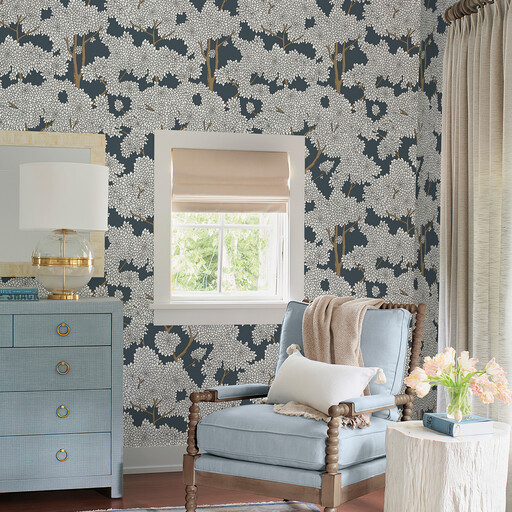
Why This Fits Their Persona: Perfect for a commitment-free update in a rental flat. The modern botanical pattern adds a touch of calm sophistication to a bedroom or living area without being overwhelming and the standard roll size is ideal for a small feature wall or alcove.
The self-adhesive backing is designed for clean removal from properly prepared, non-porous surfaces, addressing the primary concern of renters about wall damage.
Made from durable PVC vinyl that is easy to handle and wipe clean. The backing grid assists with straight cuts for a tidy finish around sockets and frames.
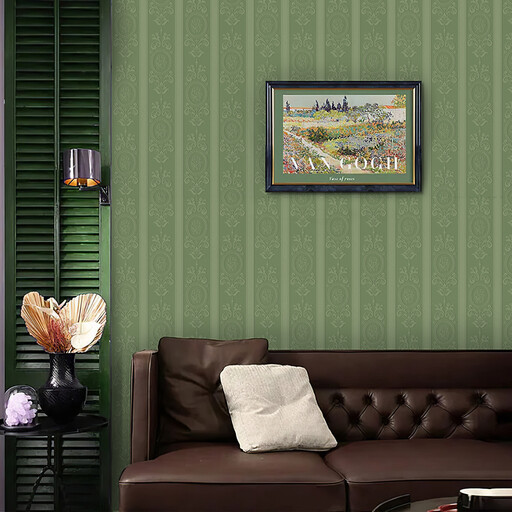
Why This Fits Their Persona: For those tackling a larger project, like a full dining room or living room accent wall, a seamless finish is paramount. This wallpaper comes in an extended 508cm length, minimising the number of joins needed for a more professional, built-in look.
The longer roll length directly combats the "pattern and batch mismatch" pitfall by covering more area with a single roll, ensuring consistency across a larger surface.
The muted green rococo-inspired pattern adds classic texture without darkening the room. The premium PVC vinyl is durable and wipeable for long-term use in high-traffic areas.
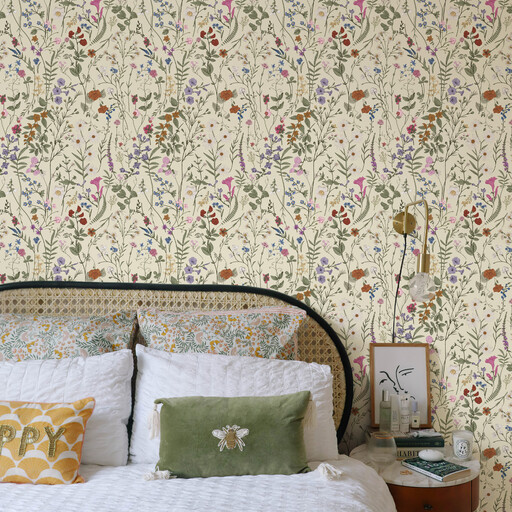
Why This Fits Their Persona: This is a great example of a versatile vinyl wallpaper for furniture. The durable PVC material is tough enough to handle the daily use of cabinet doors, drawer fronts or even lining the back of a bookcase, adding a pop of colour and pattern to tired furniture.
Unlike flimsy paper, the premium PVC vinyl resists scuffs and is wipe-clean, avoiding the "thin and tearable" trap. This ensures an upcycled piece not only looks good but is also practical for everyday use.
The dense, lively floral pattern is effective at covering minor imperfections on old furniture surfaces. The grid-lined backing allows for precise, neat trimming around edges and hardware.
We have compiled a complete, real-time list of products that fully satisfy these strict selection criteria and UK safety regulations.
High-quality temporary wallpaper UK options are specifically designed to be removed without damaging properly prepared walls. The key is "properly prepared." For best results, apply to a wall that has been painted with a satin, semi-gloss or eggshell finish and has been allowed to fully cure for at least a few weeks. Avoid applying to walls with matte/flat paint or freshly painted surfaces, as the adhesive may form a stronger bond. Always perform a patch test in an inconspicuous area first.
This is generally not recommended. For the adhesive to work correctly, it needs a completely smooth, clean and non-porous surface. Applying it over existing wallpaper, especially if it's textured or has seams, will likely result in bubbling, poor adhesion and an uneven finish. For a professional and long-lasting result, it is always best to remove the old wallpaper and prepare the wall surface before application.
The lifespan of peel and stick wallpaper depends on several factors: the quality of the vinyl and adhesive, the preparation of the surface and the environment of the room. In a low-humidity, low-traffic area on a well-prepared wall, a good quality wallpaper can last for several years. However, it is designed to be a non-permanent solution, giving you the flexibility to update your decor as your style evolves.