
24/7 全天候客户支持

免费退货

当日/次日达

品质保障

开启新人专享福利: 全场免邮 | 低至 2 折 | 免费试用 30 天 JoyPlus 会员
下载 Joybuy
From a child’s first scribbles to an artist’s detailed sketch, the humble pencil is a tool of remarkable versatility. Yet, choosing the right one in a market saturated with options can be surprisingly difficult. Many of us have been let down by pencils that promise much but deliver little, leading to frustration and wasted money. Before you add another pack to your basket, let’s look at the common pitfalls to avoid.
The most frequent complaints often stem from a few key areas. First, there's the "ergonomic" pencil that causes more strain than it relieves, with a grip that feels awkward or unbalanced. Second is the frustration of brittle leads in both graphite pencils and coloured pencils, which snap repeatedly during use or sharpening. Finally, many have been caught out by seemingly good-value bulk packs, only to find the wood splinters and the quality is inconsistent.
As your Joybuy Product Recommendation Officer, my role is to help you navigate these issues. This guide will break down the essential features to look for, ensuring your next set of pencils is a perfect fit for your needs, whether for school, the office, art or beauty.
To make an informed choice, it helps to understand the core components that determine a pencil's performance. Paying attention to these three factors will help you filter out the marketing jargon and focus on what truly matters.
The code stamped on the side of a graphite pencil isn't arbitrary; it's a universal grading scale that tells you about its hardness and blackness.
Choosing the right grade is essential. Using a soft 4B pencil for writing an essay will likely result in a smudged mess, while trying to shade a portrait with a hard 2H pencil will be a frustrating exercise.
The body of the pencil, or barrel, significantly affects comfort and control, especially during long periods of use.
The material—be it traditional wood, the plastic of a mechanical pencil, or the metal of a drafting tool—also contributes to the pencil's weight, balance and durability.
A pencil is rarely a one-size-fits-all tool. Different tasks demand different designs:
Based on these practical criteria, here are a few recommendations from our catalogue, matched to specific user needs.
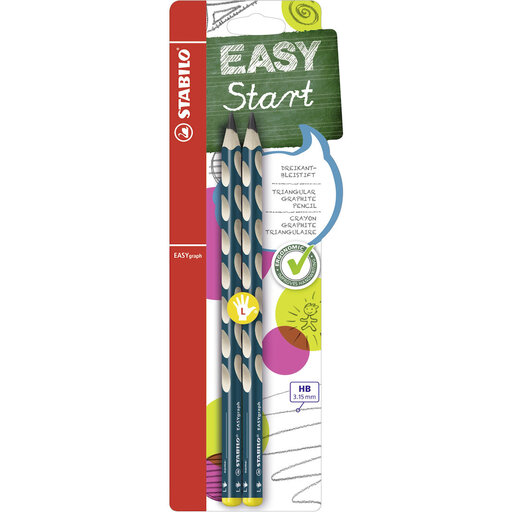
Why This Fits Their Persona: This pencil is specifically designed to help children, particularly left-handers, develop a correct and comfortable writing grip from the start. It's a practical tool for parents in the UK focused on supporting their child's handwriting development.
It counters the vague "ergonomic" claim with a purpose-built design. The triangular shape and non-slip grip moulds are scientifically developed for left-handed users, ensuring genuine comfort and control.
Features a dedicated left-handed design to promote correct posture. The HB lead is robust and the PEFC-certified wood sharpens cleanly.
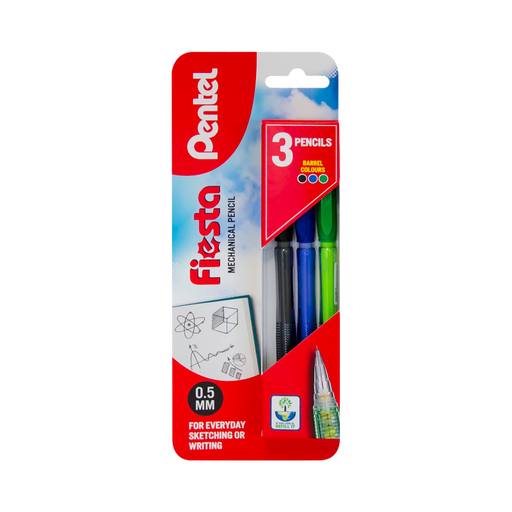
Why This Fits Their Persona: For anyone needing a reliable tool for daily note-taking, drafting or exams, this mechanical pencil offers consistency without the need for sharpening. It's a practical, no-fuss option for heavy writing tasks.
It eliminates the problem of brittle, break-prone leads found in cheap wooden pencils. The Super Hi-Polymer lead is durable and the mechanical action ensures you only expose as much lead as you need.
Features a grooved finger grip for enhanced comfort and control. The pack provides great value, supplied with two refill leads per pencil.
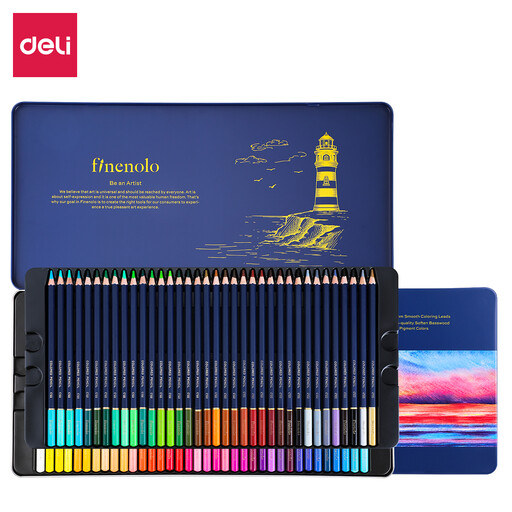
Why This Fits Their Persona: For the creative individual who needs a wide palette for adult colouring, illustration or art projects. This set provides a comprehensive range of colours for blending, layering and detailed work.
This avoids the "misleading value pack" trap by offering 72 distinct, pigment-based colours with smooth, break-resistant leads. The protective metal tin also prevents damage, unlike flimsy cardboard boxes.
A vast 72-colour range allows for nuanced shading and blending. The durable metal tin case makes the set portable and easy to store.
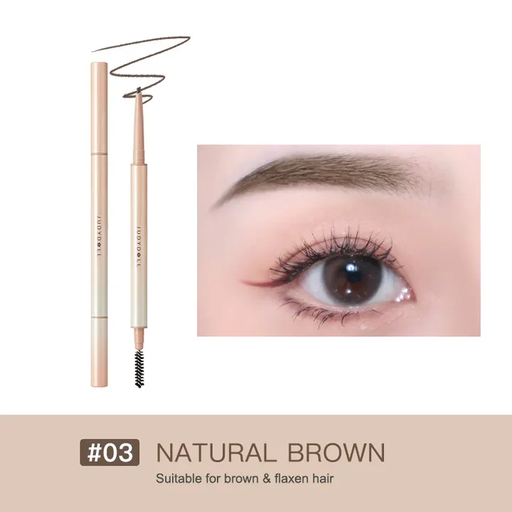
Why This Fits Their Persona: This is for the makeup user seeking a tool for creating natural, well-defined brows. Its design focuses on precision and blendability, key for achieving a polished look without appearing overly "drawn on".
It avoids the pitfall of harsh, unnatural brow pencils. The unique triangular tip allows for both fine, hair-like strokes and quick, soft filling, giving the user complete control over the intensity.
The dual-function tip offers versatility for different brow styles. It includes a built-in spoolie brush for grooming and blending the product seamlessly.
We have compiled a complete, real-time list of products that fully satisfy these strict selection criteria and UK safety regulations.
An HB pencil is the standard for everyday writing. It provides a good balance between hardness and darkness, doesn't smudge easily and holds its point reasonably well. A 2B pencil has softer lead, which creates a darker, richer line. This makes it excellent for drawing pencils and shading, but it will smudge more easily and require more frequent sharpening than an HB.
Neither is inherently "better"; they simply serve different purposes. Mechanical pencils offer precision, a consistent line and the convenience of not needing a sharpener, making them ideal for technical work, studying and extensive writing. Wooden graphite pencils are often preferred by artists for their versatility in shading and line variation, and they are generally more affordable upfront.
When selecting ergonomic pencils for children, look for a triangular barrel, as this shape naturally encourages the correct tripod grip. Check for features like non-slip grip zones or moulded finger guides. For younger children, a thicker barrel and a more robust lead (like 2B) can be beneficial, as they are less likely to break under pressure. Consider models designed specifically for left- or right-handed users if your child has a strong hand preference.