
24/7 Customer Support

Free returns

Same-day & Next-day Delivery

Quality Guaranteed

Unlock Your Welcome Offers: FREE Delivery | Up to 80% OFF | Free 30-day JoyPlus trial
Download the APP
Buying pens and markers can seem straightforward until ink bleeds through your notebook, a tip dries out after a few uses or a supposedly versatile marker fails to show clearly on the surface you need. UK shoppers also face large pack sizes, vague descriptions and product photos that do not always show tip width or ink behaviour clearly.
The main traps to watch for are:
Tip dimensions have a direct effect on control and coverage:
Ink choice should match the job:
Cap pens securely after use and follow the manufacturer’s storage instructions. Some markers perform more consistently when stored horizontally, while brow tint pens may require tip-down or horizontal storage. Paint markers commonly need shaking and pressing on scrap material to start ink flow.
For children, check age warnings and small-part hazards. Keep inks away from eyes and mouths, and test specialist markers on an inconspicuous area before applying them to valuable materials.
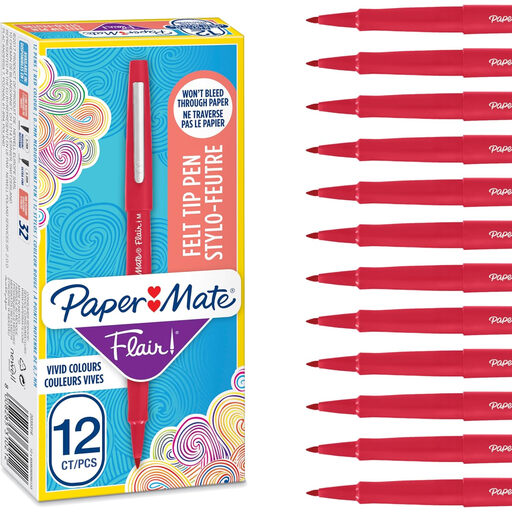
Why This Fits Their Persona: A 12-pack gives students, families and everyday note-takers a practical supply for planners, notebooks and creative projects.
The medium felt tip is clearly specified, helping buyers avoid an unsuitable ultra-fine or broad tip. The product information also identifies smudge-resistant ink and paper use.
Medium felt tip; pack of 12; intended for writing, drawing, journalling and paper-based projects.
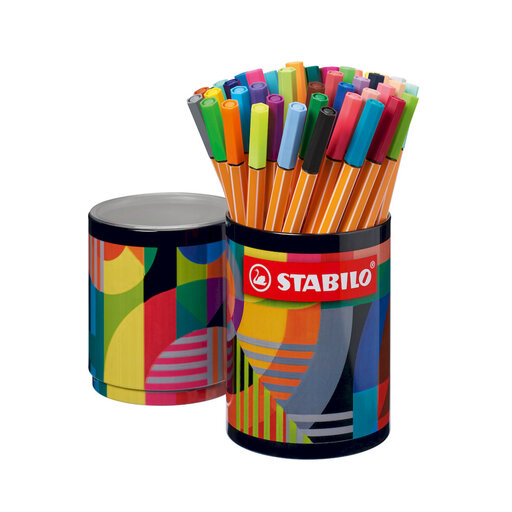
Why This Fits Their Persona: Suitable for illustrators, designers and stationery users who value a broad colour selection for detailed paper work.
The 0.4mm line width and metal-cased tip are stated specifications, rather than vague claims about precision or durability.
45 assorted colours; 0.4mm line; suitable for rulers and stencils; water-based ink.
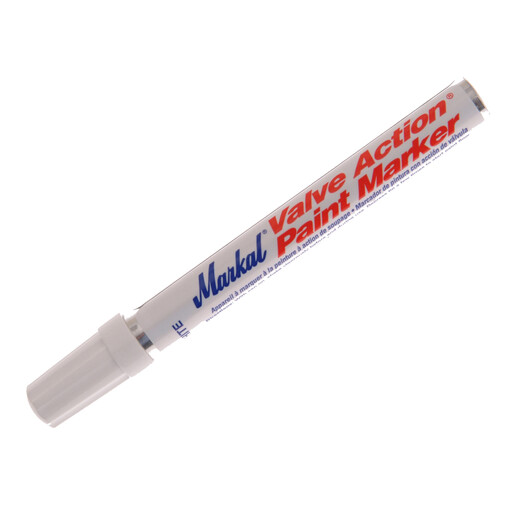
Why This Fits Their Persona: Tradespeople, maintenance teams and DIY users need controlled white marks on darker or mixed surfaces such as steel, glass, plastic and rubber.
Its valve-action mechanism and listed surface compatibility provide more useful buying information than a generic “multi-purpose” label.
White spirit-based paint; metal barrel; xylene-free formulation stated in the listing; one-marker format.
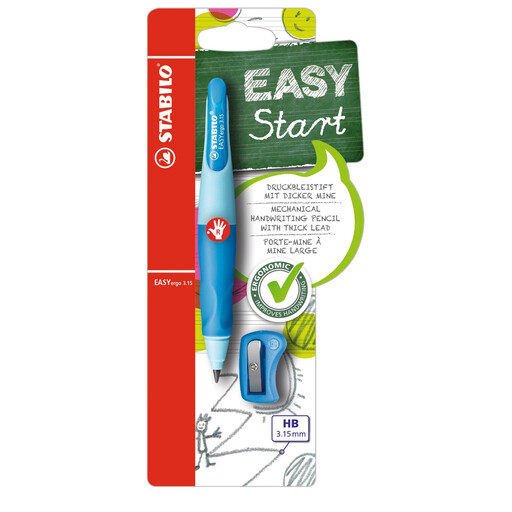
Why This Fits Their Persona: The right-handed version is designed for children beginning handwriting practice at home or school.
The listing specifies hand orientation, lead diameter and an included sharpener, reducing the risk of buying an unsuitable pencil.
3.15mm HB lead; cushioned tip; non-slip grip zone; refillable design with sharpener included.
We have compiled a complete, real-time list of products that fully satisfy these strict selection criteria and UK safety regulations.
Fineliner pens with a stated line width, such as 0.4mm, are a practical choice for outlines, technical notes, hatching and stencil work. Look for a robust or metal-cased tip if the pen will be used regularly with rulers.
Some do, but compatibility varies by ink formulation and surface preparation. Check the product listing for named surfaces such as plastic, metal, glass or rubber. Clean and dry the surface first, and remember that permanent ink may stain or be difficult to remove.
Replace caps immediately, store products as directed and avoid leaving tips exposed. Paint markers may need shaking and priming before use. Keep them in a cool, dry place and use ventilation when product warnings recommend it. For school stationery and office stationery, buying a suitable pack quantity can also reduce the temptation to use one specialist marker for every task.