
24/7 Customer Support

Free returns

Same-day & Next-day Delivery

Quality Guaranteed

Unlock Your Welcome Offers: FREE Delivery | Up to 80% OFF | Free 30-day JoyPlus trial
Download the APP
Choosing the right pens and markers can be less straightforward than it appears. A low-cost multipack may contain colours you rarely use, while a marker designed for glass may perform poorly on paper or porous card. For UK households, schools and offices, the main challenge is matching the ink and tip to the task rather than relying on packaging claims.
A large pack is not automatically good value. If it contains several similar shades or unsuitable tip sizes, the unused pens can dry out before they are needed. Check the actual colour selection, pack quantity and intended surface before comparing prices.
For everyday writing, a pack of ballpoint pens may be more useful than a large art set. Students might need black and blue ink for notes and forms, while teachers may prioritise coloured pens for marking. Artists and crafters often need fineliners, felt-tip pens or paint markers instead.
Marker names can be easy to misread. Wet-erase chalk markers are generally intended for non-porous surfaces such as glass, whiteboards or coated boards and can be wiped with a damp cloth. Permanent markers are designed to leave a lasting mark and may stain skin, clothing or surfaces.
Erasable pens are also task-specific. Their heat-sensitive ink can be useful for planners and temporary notes, but they may not be suitable for official records where writing must remain unchanged.
A broad marker tip is unsuitable for small labels, while a fine fineliner may be slow for filling large areas. Retractable ballpoint pens can be convenient in bags and offices, but capped pens need to be closed securely to reduce drying.
Storage also affects performance. Many products advise keeping pens capped and storing them horizontally. Permanent and paint markers should be used with suitable ventilation, particularly during extended creative or labelling work.
Start with the surface:
Always check the product instructions before applying ink to an important or valuable surface.
Tip size affects legibility and control. A 0.8mm rollerball nib may produce an approximately 0.4mm medium line, making it suitable for general notes. A 0.4mm fineliner line is more appropriate for detail, stencils and precise diagrams. A chisel-tip highlighter can offer both broad highlighting and narrow underlining; the Pentel Illumina, for example, has an approximate line range of 4.8mm to 1.0mm.
For children’s school stationery, consider comfortable grips and tips that can tolerate regular use. For technical drawing, crafting and detailed colouring, prioritise a defined tip and consistent shape retention.
Bulk stationery packs can reduce the need for frequent reordering, particularly in classrooms, offices and busy homes. However, compare the cost per pen and whether refills are available. The Pentel Floatune rollerball is refillable with specified black or blue refills, while some highlighters also offer refill options.
A refillable product may reduce replacement purchases, but only if compatible refills are easy to obtain. For occasional use, a smaller pack may prevent unused ink from drying out.
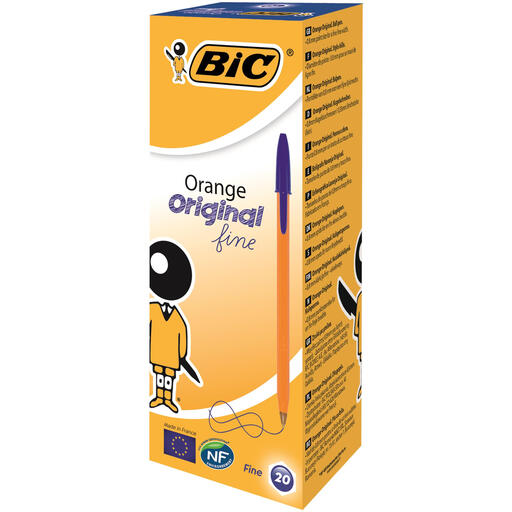
Why This Fits Their Persona: A practical option for students, home users and shared desks needing a supply of blue pens for everyday writing.
The pack focuses on one frequently used ink colour and a defined 0.8mm fine point, rather than filling the pack with unused shades.
Pack of 20; fine-point design; stated average writing length of 3,500m per pen.
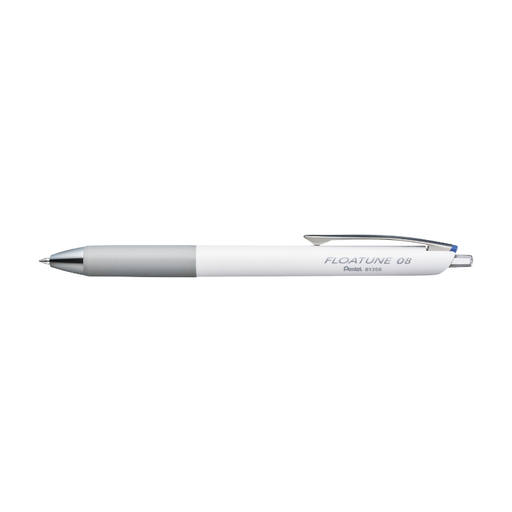
Why This Fits Their Persona: Suitable for professionals, students and writers who spend long periods taking notes or drafting documents.
Its retractable design reduces reliance on a loose cap, while the stated refill compatibility supports continued use beyond the first ink load.
Dual-ball retractable tip; textured latex-free grip; approximately 0.4mm line width from a 0.8mm nib.
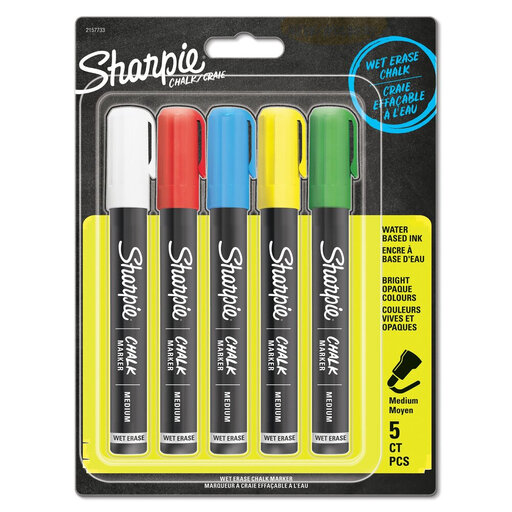
Why This Fits Their Persona: A useful choice for teachers, cafés, home organisers and crafters creating changeable displays on suitable non-porous surfaces.
The product specifies wet removal with a damp cloth and clearly advises against porous surfaces, helping prevent an unsuitable permanent mark.
Five assorted colours; suitable for glass, windows, whiteboards and blackboards; damp-cloth removal.
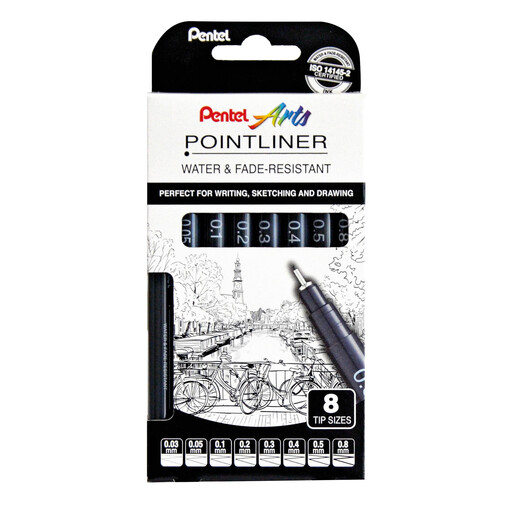
Why This Fits Their Persona: Designed for artists, designers, students and crafters who need controlled lines for sketching, lettering and detailed colouring.
The range offers multiple tip sizes and a robust tip designed to retain its shape, rather than relying on one generic point.
Water- and fade-resistant pigment ink; suitable for sketching, writing and use alongside watercolours.
We have compiled a complete, real-time list of products that fully satisfy these strict selection criteria and UK safety regulations.
A practical school selection usually includes blue and black ballpoint pens, coloured pens for organisation, fineliners for diagrams and highlighters for revision. Younger pupils may also use felt-tip pens, while erasable gel pens can be convenient for drafts and planners. Check school requirements before buying large packs.
Replace caps firmly after use, retract click pens and store products according to their instructions. Horizontal storage is commonly recommended for consistent ink flow. Keep permanent markers and paint markers away from heat, and use them in a well-ventilated area where advised.
They can reduce the cost per item and limit emergency replacements, especially for offices, classrooms and shared homes. However, calculate the price per usable pen rather than the pack price alone. A smaller set with the right tip, ink type and colours may offer better practical value than a larger assortment with unused items.