
24/7 Customer Support

Free returns

Same-day & Next-day Delivery

Quality Guaranteed

Unlock Your Welcome Offers: FREE Delivery | Up to 80% OFF | Free 30-day JoyPlus trial
Download the APP
Pepper seasoning can mean very different things in a UK kitchen. It may be a jar of black pepper, a fragrant Sichuan peppercorn, a finishing oil, a ready-to-use sauce or even a pepper-flavoured snack. Choosing by attractive packaging alone can lead to a product that is too mild, too salty, difficult to store or unsuitable for the dish you had in mind.
This guide explains what to check before buying, from ingredient percentages to grind size, allergens and practical serving formats.
Black pepper, white pepper and Sichuan peppercorn are not interchangeable.
A product labelled “pepper seasoning” may contain pepper alongside salt, sugar, chilli, flavour enhancers or other spices. Always read the ingredient list if you want a single-spice product.
A bold taste may come from chilli, salt, garlic or flavour enhancers rather than pepper itself. For example, Ji Xiang Ju Mala Sauce contains 39% chilli peppers and 2% Sichuan peppercorns, so it is primarily a chilli-based sauce with Sichuan pepper character.
By contrast, a Sichuan pepper powder containing only Sichuan pepper is easier to measure and combine with your own salt, oil or chilli. Check the quantitative ingredient declaration where available instead of relying on front-of-pack descriptions.
Oil-based products are energy-dense and should be measured as a finishing ingredient rather than poured freely. Sauces can contain significant salt or sugar, while snack products may include soya, wheat or seafood.
After opening, follow the label. Many pepper oils and dipping sauces should be refrigerated or consumed promptly. Check bold allergens such as soya, wheat, gluten, sesame, celery and seafood, particularly when buying imported Chinese or Japanese seasonings.
Choose the format that matches your cooking habits:
For a single-spice product, look for a short ingredient list. McCormick Sichuan Pepper Powder lists Sichuan pepper as its ingredient, while Rajah Coarse Black Pepper is listed as black peppercorns.
The grind affects both flavour release and texture. Coarse black peppercorns retain a more noticeable bite and can be used in a peppercorn grinder. Fine powder disperses quickly through soups, marinades and sauces but may lose aroma faster once opened.
Keep dry spices sealed in a cool, dry cupboard away from steam and direct sunlight. A grinder is practical if you prefer freshly ground black pepper, but check that its mechanism is suitable for the size and hardness of the peppercorns.
Ready-made sauces often provide convenience but may contain more salt or sugar than a single spice. Daisho Yakiichi Black Pepper BBQ Sauce lists 4.2g salt and 28g sugars per 100ml, making portion control useful. RISHIJI Sichuan Peppercorn & Small Seafood-Flavored Dipping Sauce lists 9.0g salt and 24.4g sugars per 100g.
Pepper oils contain mostly fat because their base is vegetable or rapeseed oil. Chuan Laohui peppercorn oil 248ml lists rapeseed oil and Sichuan peppercorn, while Yaomazi Sichuan Peppercorn Oil 250ml lists rapeseed oil and 40% Sichuan pepper. Compare bottle size, ingredients and intended use rather than judging value by the lowest shelf price.

Why This Fits Their Persona: A compact option for UK cooks trying Sichuan-style seasoning without committing to a large bottle or multi-ingredient sauce.
The ingredient list identifies Sichuan pepper, making it easier to distinguish from chilli-heavy mala sauces.
24g bottle; suitable for marinades, hot pot dips and stir-fries; no listed allergens.
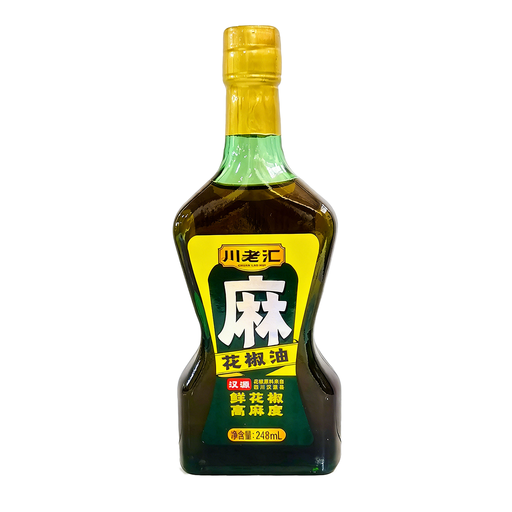
Why This Fits Their Persona: A finishing oil for cooks who want a clear Sichuan pepper aroma across noodles, cold dishes, soups and hot pot dipping sauces.
The listed formula is rapeseed oil and Sichuan peppercorn, rather than a sauce padded with sugar or chilli.
248ml format; golden, clear appearance; refrigerate after opening and use promptly.
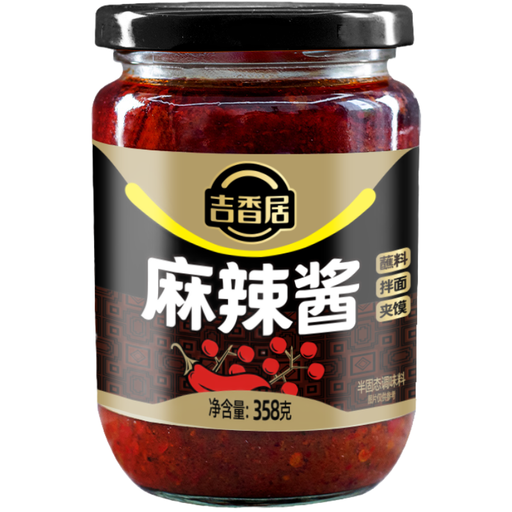
Why This Fits Their Persona: A ready-to-use choice for frequent noodle, stir-fry, dipping and hot pot meals where speed matters.
Its ingredient declaration makes the chilli-to-Sichuan-pepper balance visible, while allergen information identifies soya and wheat.
358g jar; ready to use; suitable for noodles, stir-fries, dips and hot pot bases.
We have compiled a complete, real-time list of products that fully satisfy these strict selection criteria and UK safety regulations.
Not in the same way. Black pepper provides familiar warmth, while Sichuan peppercorn is associated with citrus-like aroma and a tingling, numbing sensation. Chilli in a mala sauce contributes most of the direct heat.
Store it according to the product label. Several pepper oils recommend a cool, dry place before opening and refrigeration or prompt consumption afterwards. Keep the cap tightly closed and use clean utensils to avoid introducing moisture or food particles.
Dry powders and peppercorns usually require only a small amount per serving. Oils and ready-made sauces can also last through multiple meals, but their value depends on bottle size, pepper concentration and how often you cook with them. Comparing the ingredient list and net quantity gives a clearer cost comparison than comparing shelf price alone.