
24/7 Customer Support

Free returns

Same-day & Next-day Delivery

Quality Guaranteed

Unlock Your Welcome Offers: FREE Delivery | Up to 80% OFF | Free 30-day JoyPlus trial
Download the APP
Whether you are preparing chicken for a weekend barbecue, adding heat to chips or planning quick midweek meals, peri peri sauce and seasoning can provide a convenient blend of chilli, citrus, garlic and herbs. However, bottles and sachets vary considerably in strength, format, salt content, storage requirements and intended use.
This guide helps UK shoppers compare piri piri sauce, African chilli sauce and peri peri seasoning without relying on vague marketing language. It also highlights practical product choices for dipping, marinating, roasting, grilling and everyday cooking.
“Peri peri” or “piri piri” refers to a style of chilli flavour, not one fixed heat level. African bird’s eye chilli can be combined with milder peppers, vinegar, lemon, sugar or oil, producing very different results.
A product labelled medium may suit family meals, while a hot sauce can dominate a delicate fish dish. Check the stated heat level and ingredient list rather than judging from the product name alone.
A pourable hot sauce is generally ready to use as a dip, drizzle or marinade. A dry chilli spice blend may need to be mixed with oil, lemon juice or another liquid. Some sachets are designed specifically for cooking and must not be eaten uncooked.
For example, a bag-and-bake mix is intended to coat raw food inside a roasting bag before cooking. It is not the same as a ready-to-serve dipping sauce.
Chilli products can contain a considerable amount of salt, particularly concentrated seasonings and marinades. Compare the nutrition panel per 100g and consider how much you will actually use.
Always check the packaging for current allergen information. Some blends may contain or be made in facilities handling gluten, soya, milk, celery, mustard, sesame or peanuts. Once opened, many sauces require refrigeration and should be used within a specified period.
Choose the format according to how you cook:
A sauce with vinegar, lemon or lime can bring acidity as well as heat. Garlic, onion and herbs provide savoury depth, while sugar may add sweetness and help browning during cooking.
Look for terms such as mild, medium or hot, but treat these as product guidance rather than a universal scale. Ingredient order can also help: a sauce with a high proportion of chilli purée is likely to taste more chilli-forward than one where vinegar or water appears first.
For a balanced medium chilli sauce, lemon, garlic and onion can soften the impact of the chilli. Hotter products may be more suitable for confident spice lovers, barbecue marinades or adding small amounts to stews and sauces.
A 500g bottle can work well for frequent users, large households or meal preparation. Smaller 142ml or 150ml bottles are practical if you are trying a flavour for the first time. Dry 25g to 40g sachets are useful for occasional cooking, while a 100g seasoning jar may offer better cupboard convenience for regular use.
Check whether the bottle must be refrigerated after opening and how quickly it should be consumed. Keep dry spice blends sealed in a cool, dry place. For marinades, use separate utensils for raw meat and cooked food, and cook meat thoroughly according to UK food-safety guidance.
The following options suit different shopping priorities and cooking routines. Product details, ingredients and storage instructions should always be checked against the packaging supplied.
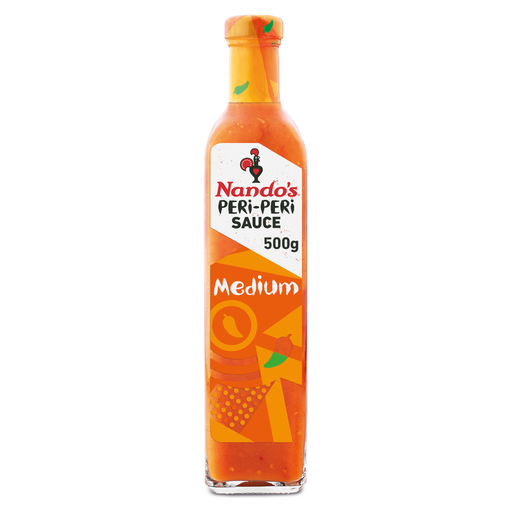
Why This Fits Their Persona: A familiar 500g format gives new buyers enough sauce to try with chicken, chips, pasta and burgers without moving straight to a multi-pack.
The listed medium heat and pourable format make its everyday use clearer than choosing an ungraded chilli sauce.
500g bottle; includes vinegar, lemon, onion, garlic and African bird’s eye pepper; refrigerate after opening.
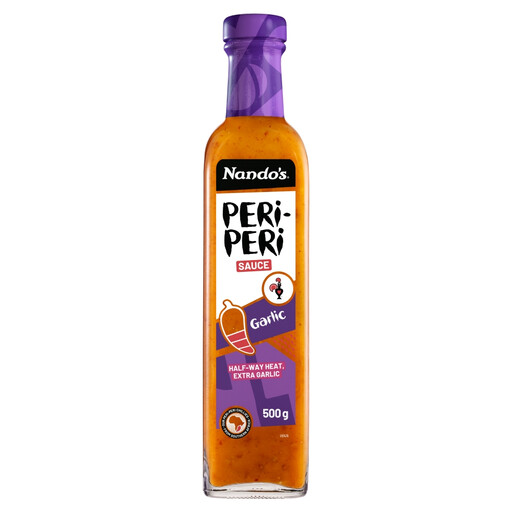
Why This Fits Their Persona: Suitable for shoppers who prioritise a clearly described flavour profile, particularly extra garlic alongside lemon, onion and African bird’s eye chilli.
The ingredient list identifies garlic concentrate at 4% and lemon concentrate at 5.5%, giving more useful information than flavour-led wording alone.
500g size; garlic-forward recipe; listed nutrition is 58 kcal per 100g; suitable for marinades, dipping and drizzling.
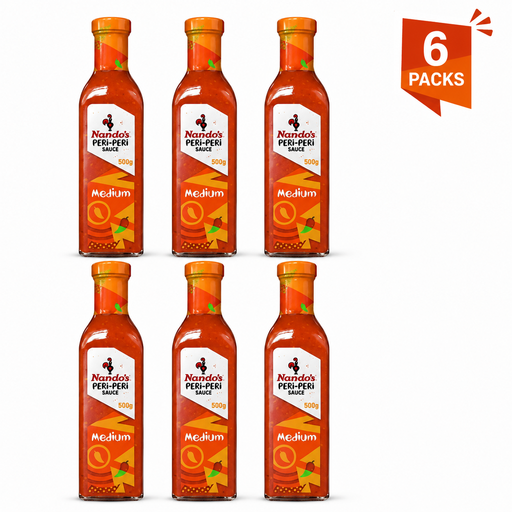
Why This Fits Their Persona: A six-bottle pack is suited to households, caterers and barbecue hosts who regularly use sauces for chicken, burgers, chips and salads.
The multi-pack makes the quantity clear, helping frequent users compare stock-up purchases with single-bottle options.
Six 500g bottles; medium heat description; recipe includes lemon, garlic, onion and African bird’s eye chilli.
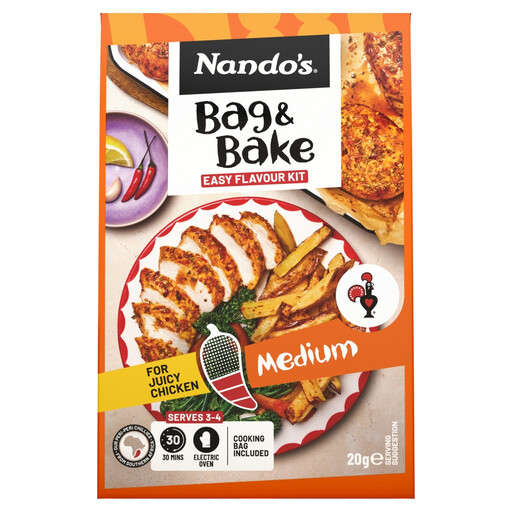
Why This Fits Their Persona: The single sachet is designed for straightforward oven cooking with chicken, fish or vegetables, making it useful for quick planned meals.
The instructions clearly state that it is for cooking, not uncooked consumption, and that it should not be used as a marinade.
20g portion; includes chilli, lemon, garlic and herbs; oven guidance specifies 200°C conventional or 180°C fan.
We have compiled a complete, real-time list of products that fully satisfy these strict selection criteria and UK safety regulations.
For a dry peri peri seasoning, Dunns River Peri Peri Seasoning 100g is listed as a blend containing chilli, paprika, garlic, onion, sugar and herbs. It is intended for rubs, marinades and sauces, but its listed salt content is 30g per 100g, so use it sparingly.
Suma Piri Piri Seasoning 40g has a shorter listed ingredient profile of salt, dried garlic, chilli flakes, dried basil and dried onion. It may suit shoppers who prefer a compact dry blend for cupboard storage.
For a larger bottle, Laila Sauce Piri Piri 1l is designed for marinades and drizzling over grilled vegetables or meat. Its listed ingredients include dried chilli, garlic, onion and cumin. A one-litre format is more appropriate for frequent users than occasional cooks.
They usually describe closely related African-Portuguese chilli sauce styles. Spelling varies by brand and market. Recipes can differ in chilli strength, acidity, sweetness, garlic and oil, so compare the ingredient list and heat guidance rather than relying on the name alone.
Coat chicken, meat, seafood or vegetables in the sauce in a clean container and keep it refrigerated. Do not reuse marinade that has touched raw meat unless it is thoroughly cooked. Cook the food fully, and follow the product’s instructions where they differ.